Ningbo Magichef Electric Appliance Co.,Ltd.
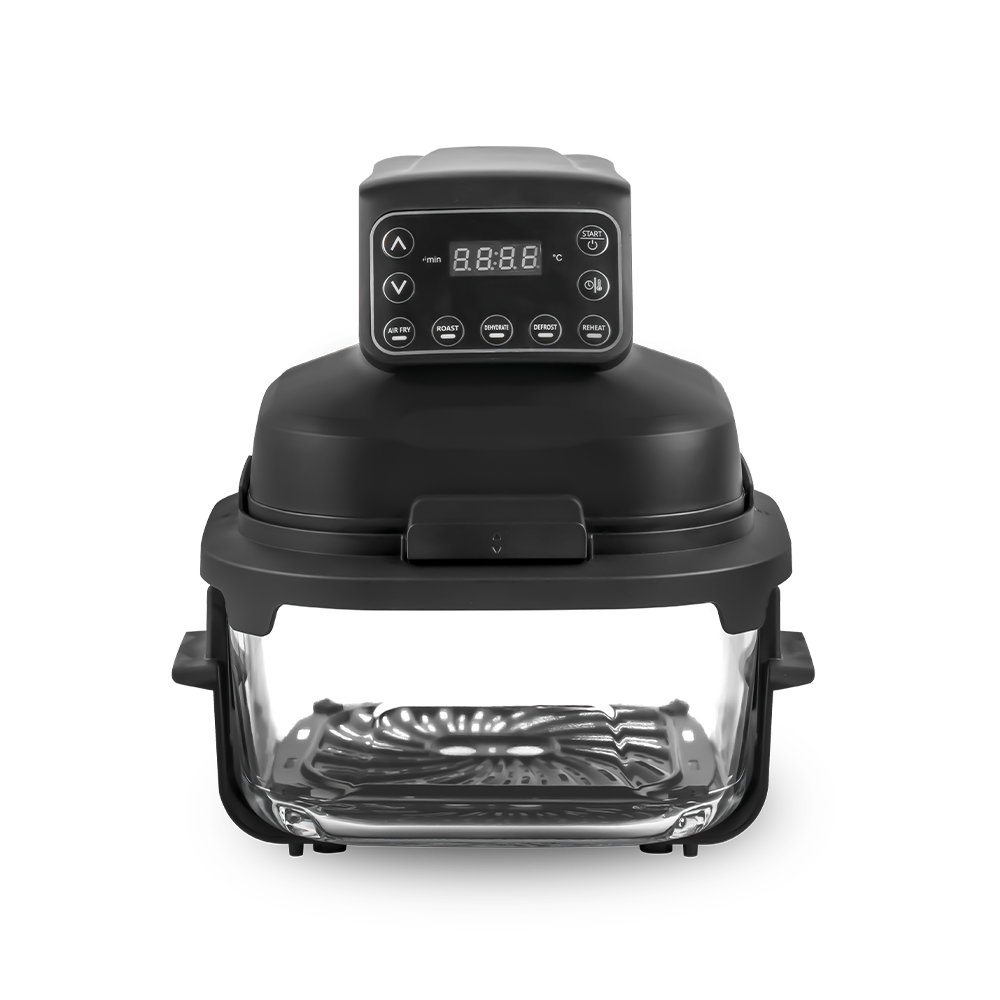
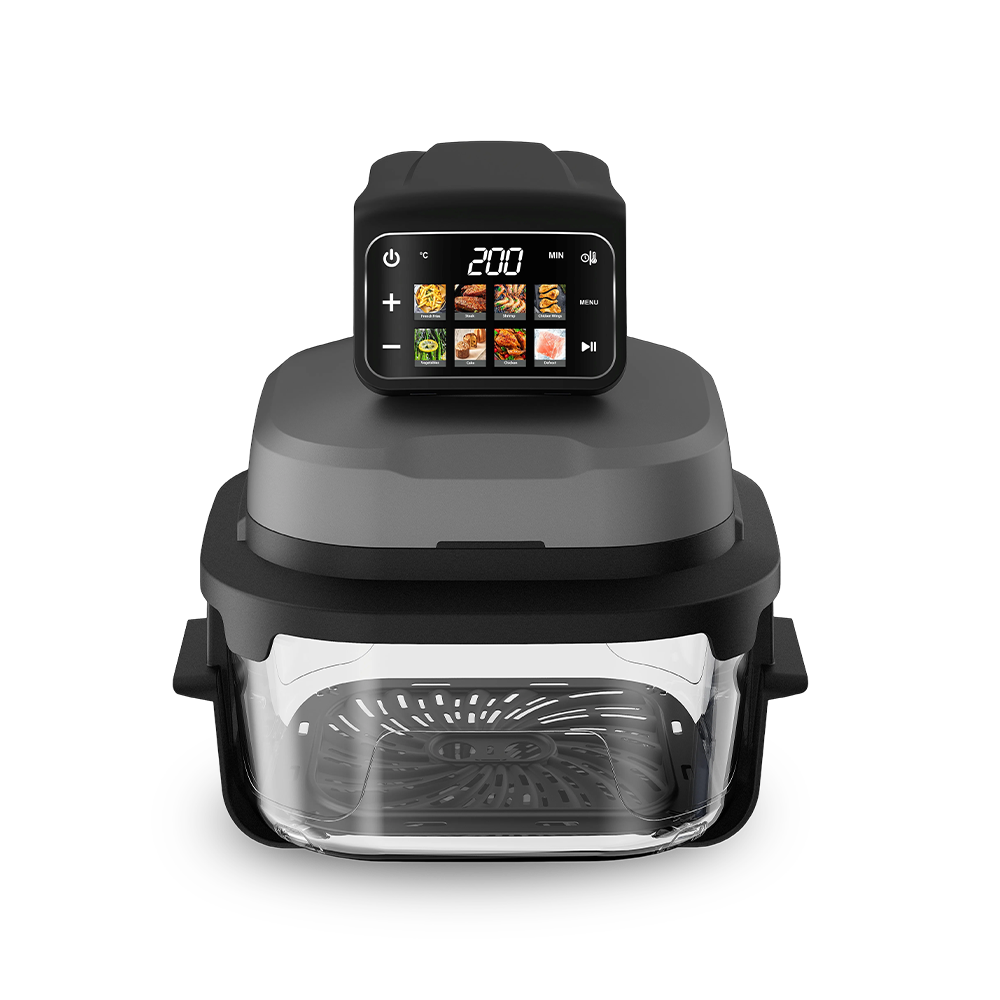
A cook opens the air fryer drawer at minute 14, checks the wings, and closes it again. That single peek costs heat, time, and sometimes crispness. A visible air fryer with a window or glass basket solves that specific problem: you can judge color and movement without breaking the cooking cycle. For most home kitchens,...
READ MOREMagichef Brings New Air Fryers to the Canton Fair Visit us October 15–19, 2026 Booth 4.1A22 Ningbo, China – Ningbo Magichef Electric Appliance Co., Ltd. announced that it will take part in the 140th China Import and Export Fair (Canton Fair), held October 15–19, 2026. At Booth 4.1A22, the company will present its l...
READ MOREA two-year-old air fryer sits on the kitchen counter. The fan spins, the heating element still produces intense heat, and the food comes out crisp, but the touchscreen is dark. The control board failed, and the repair quote is nearly the price of a new unit. That is the most common failure mode among digital air fryer...
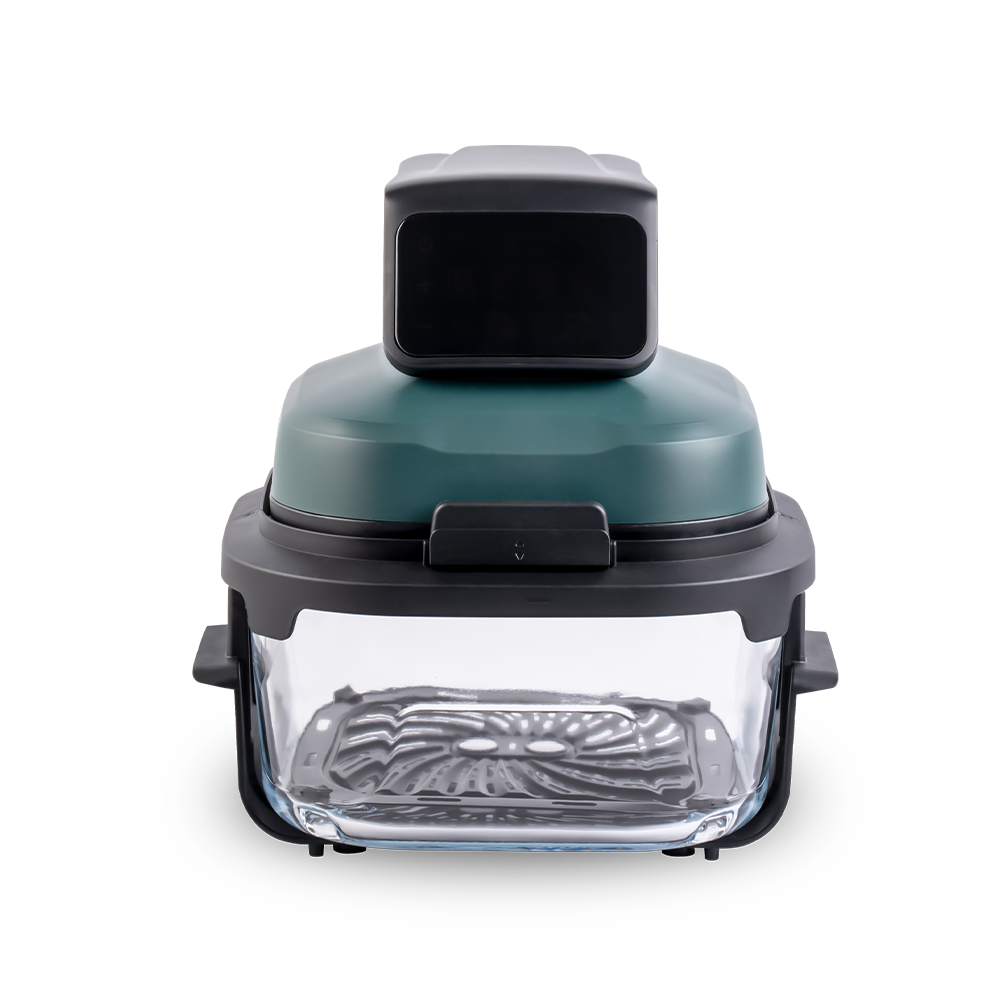
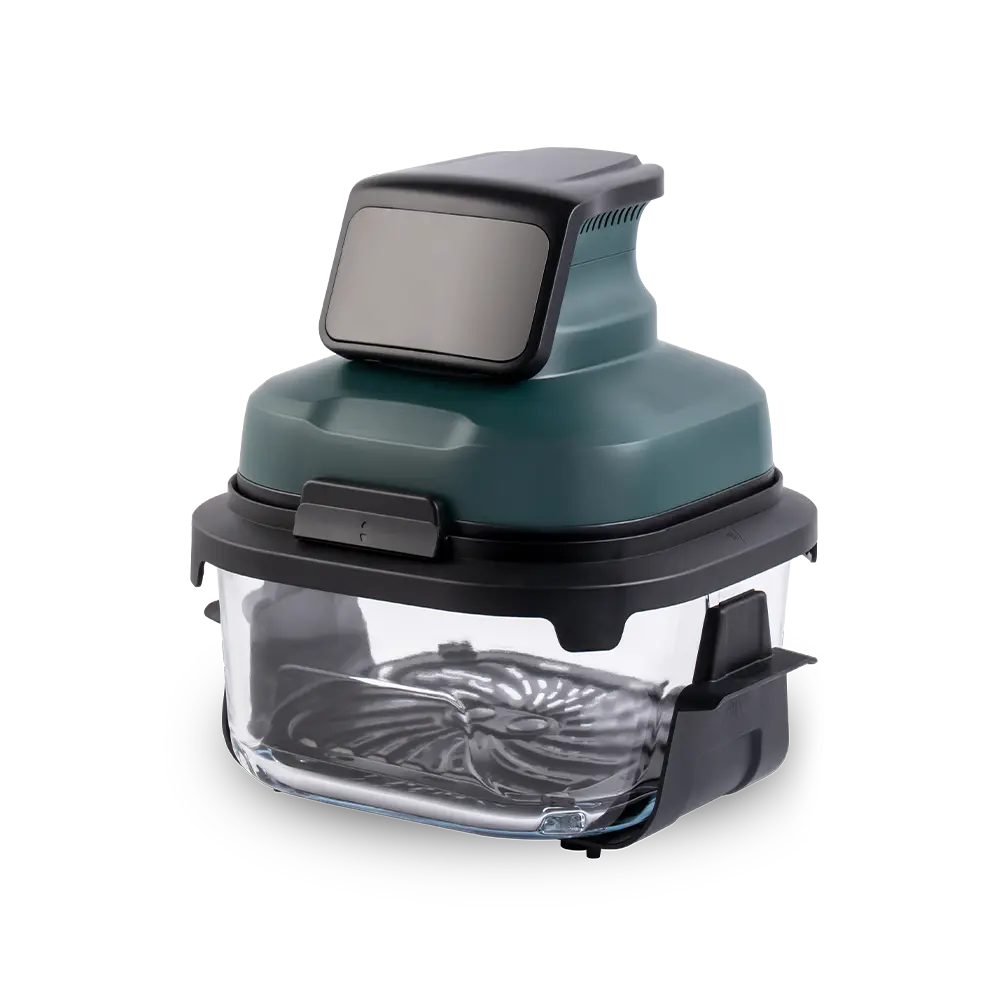
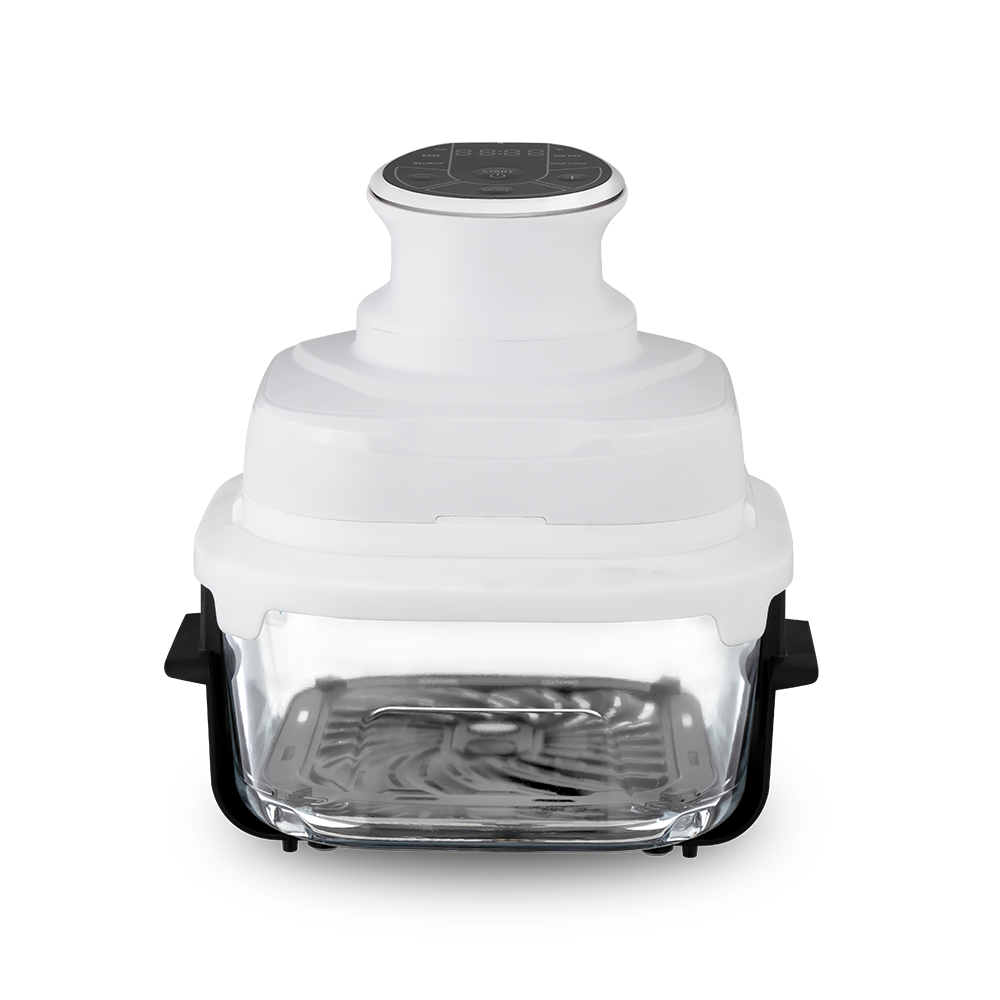
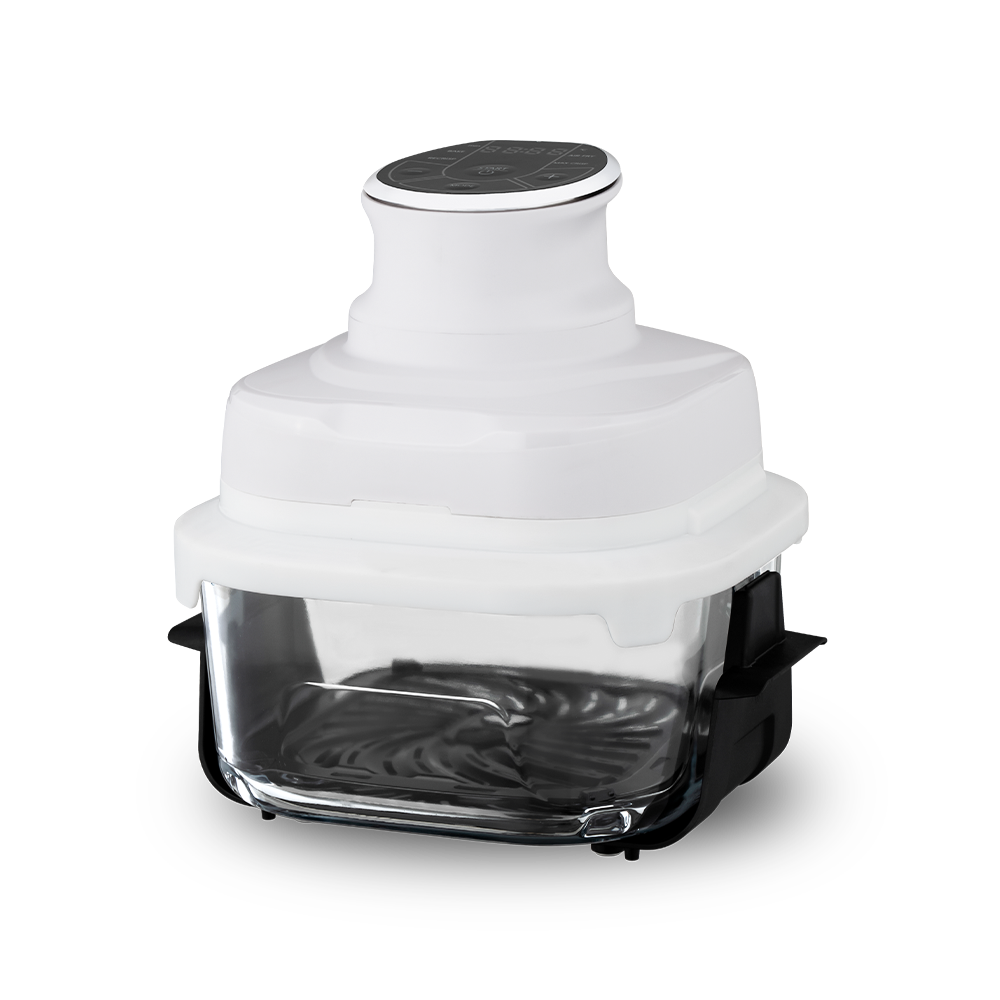
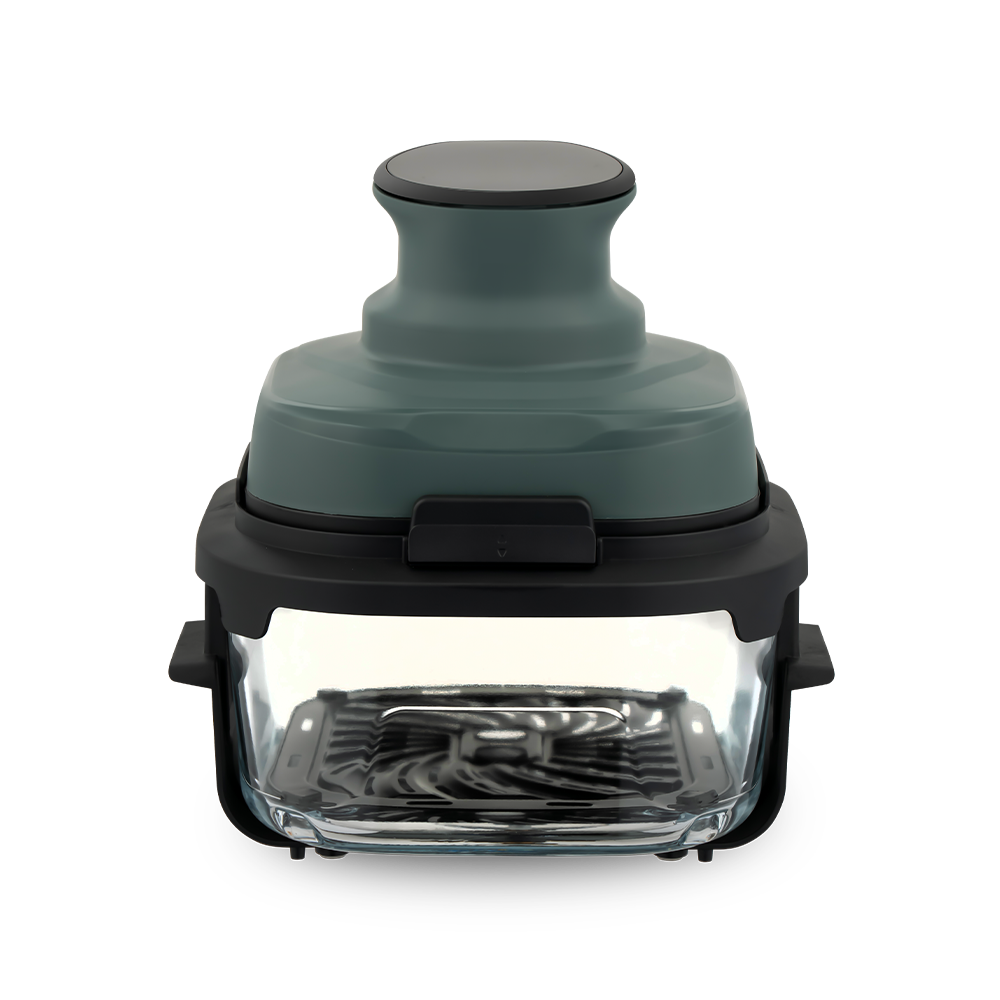
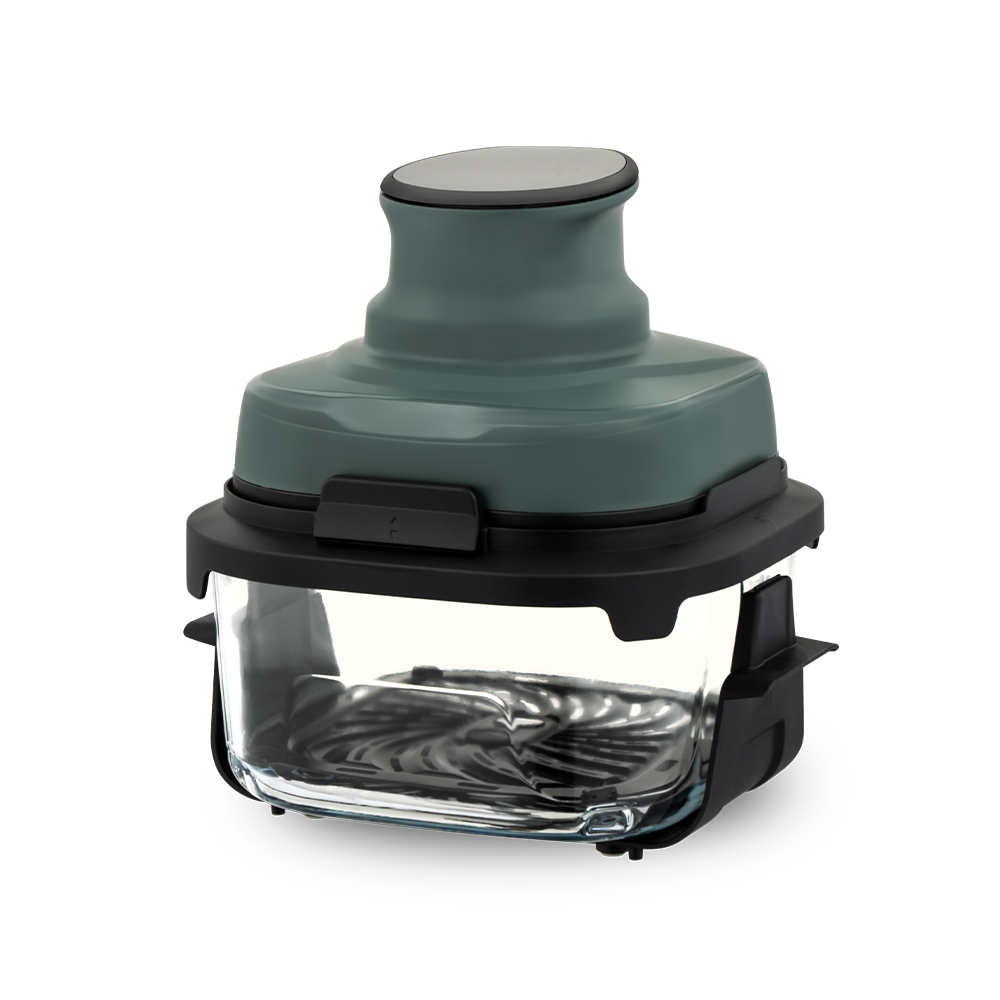
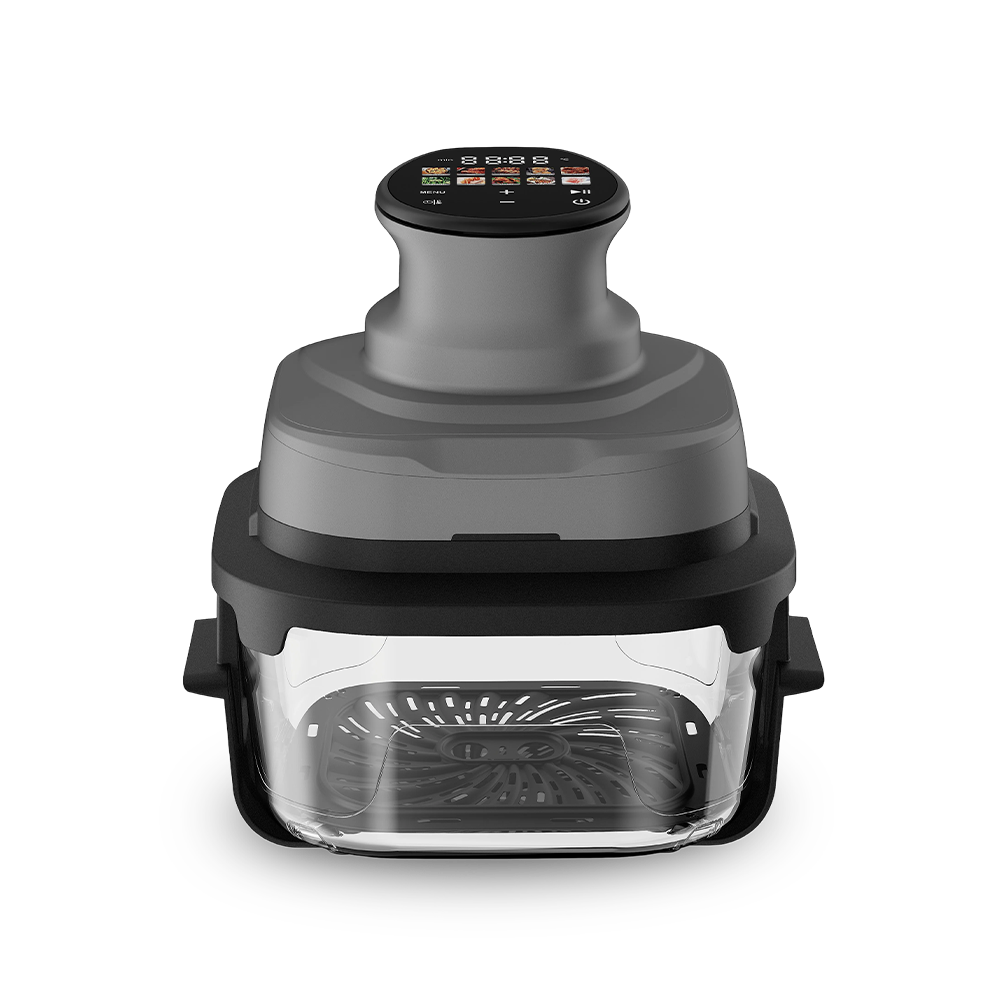
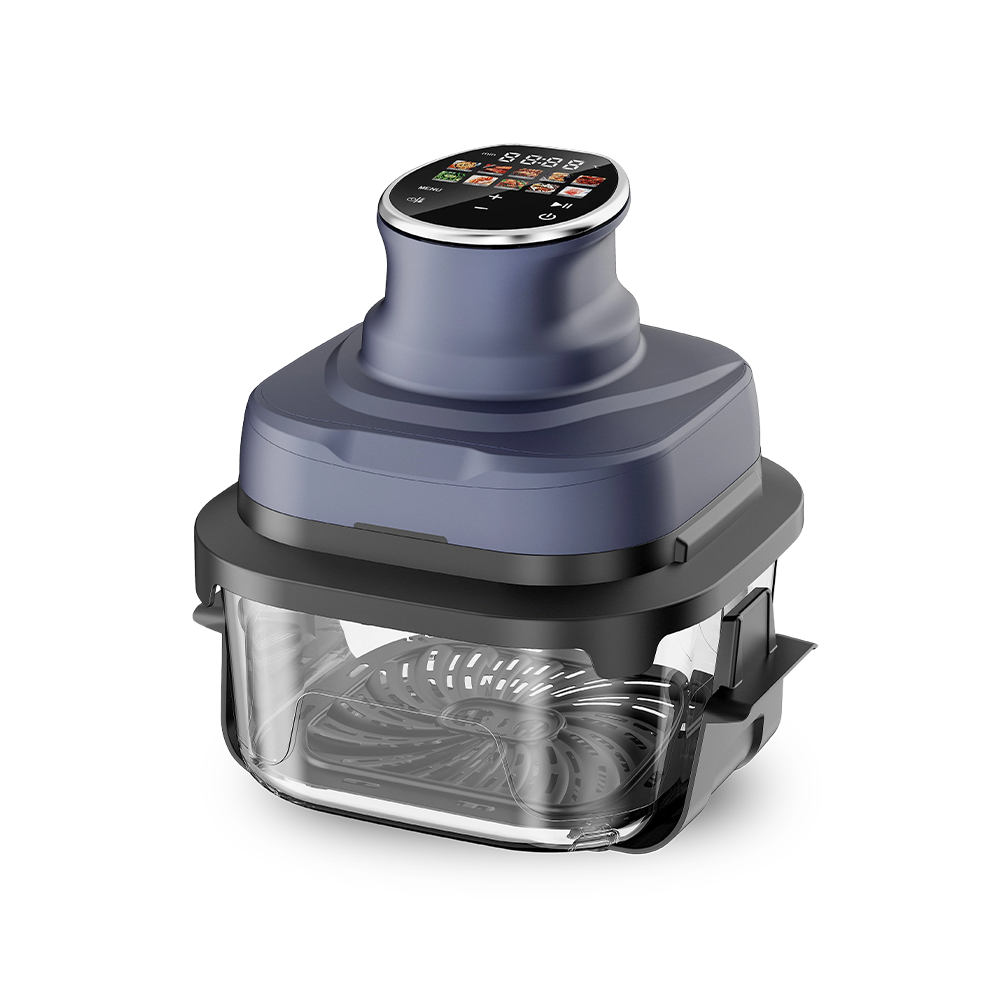
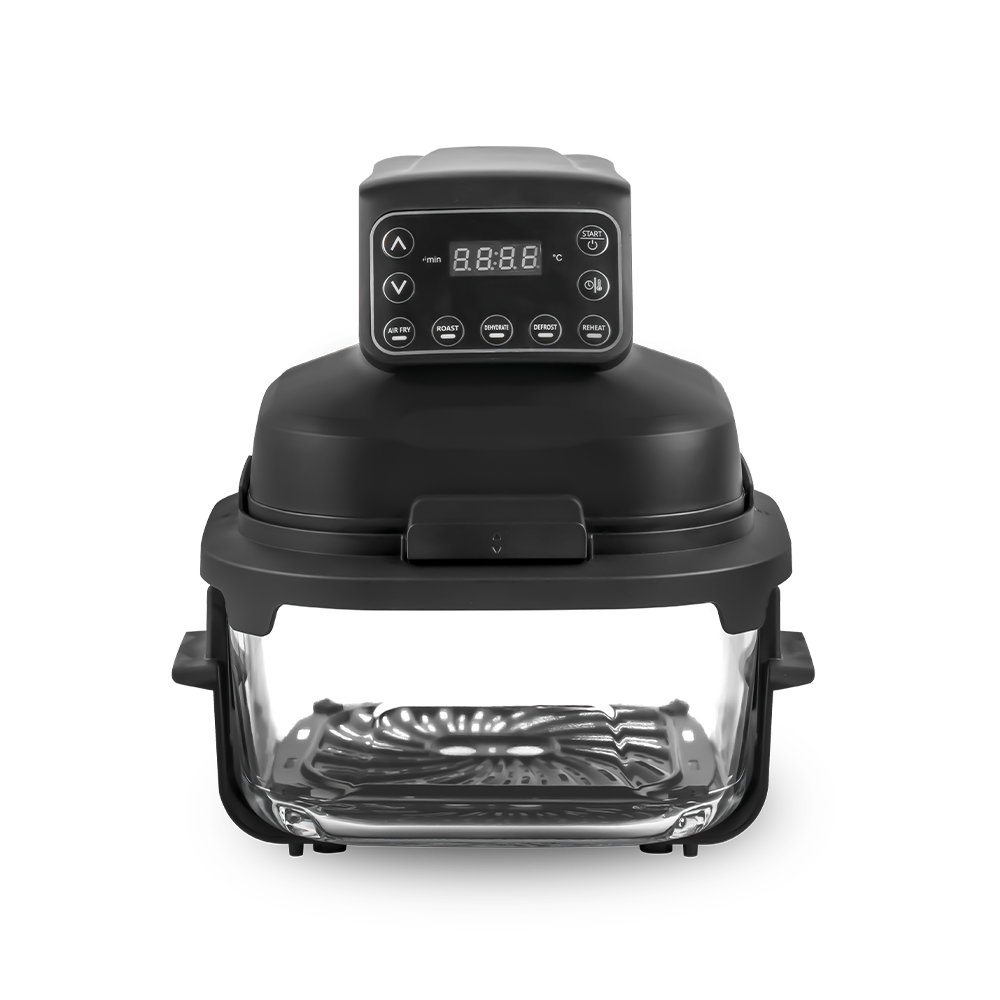
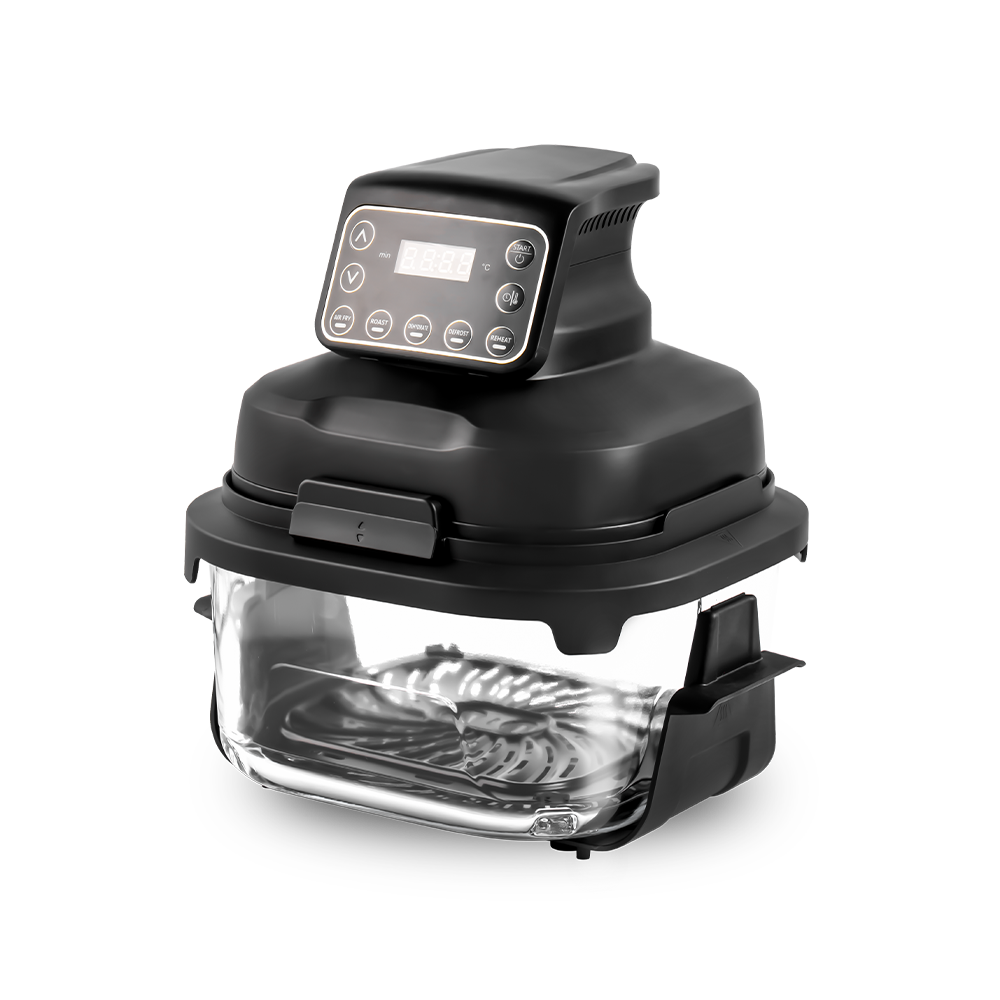
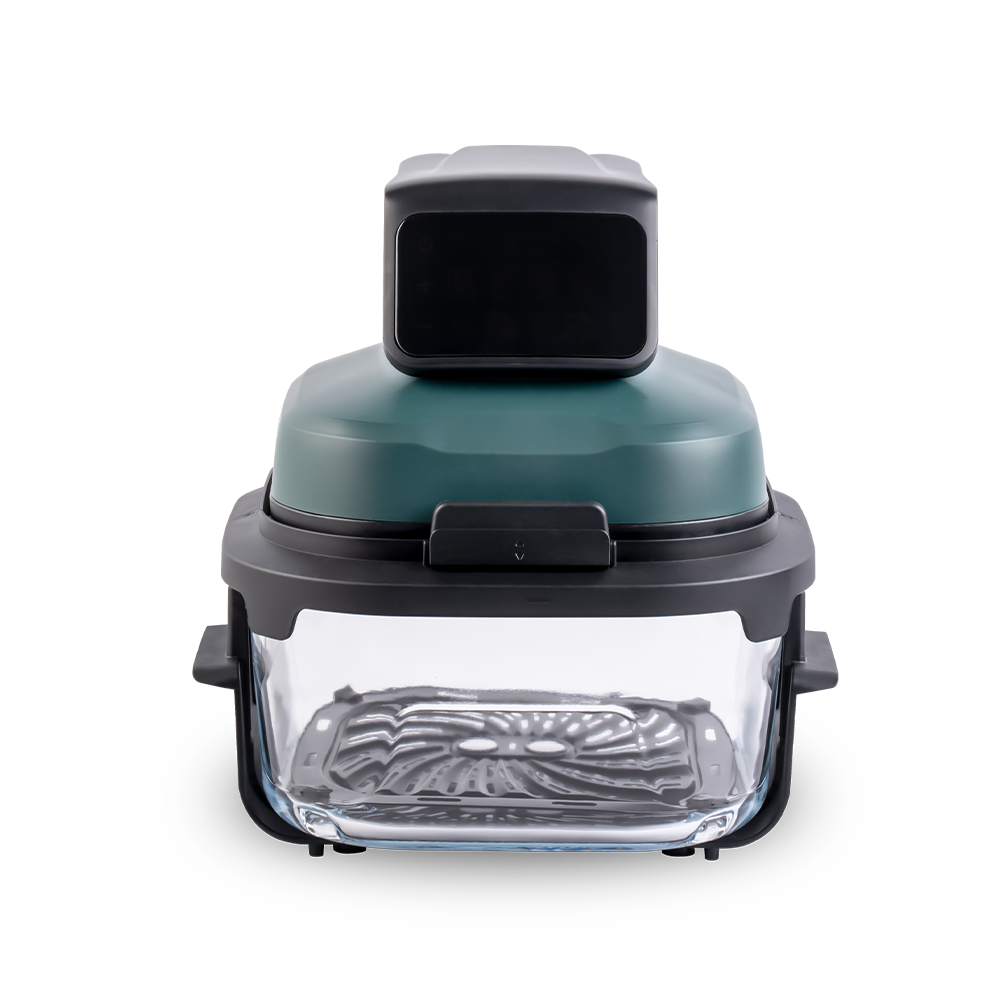
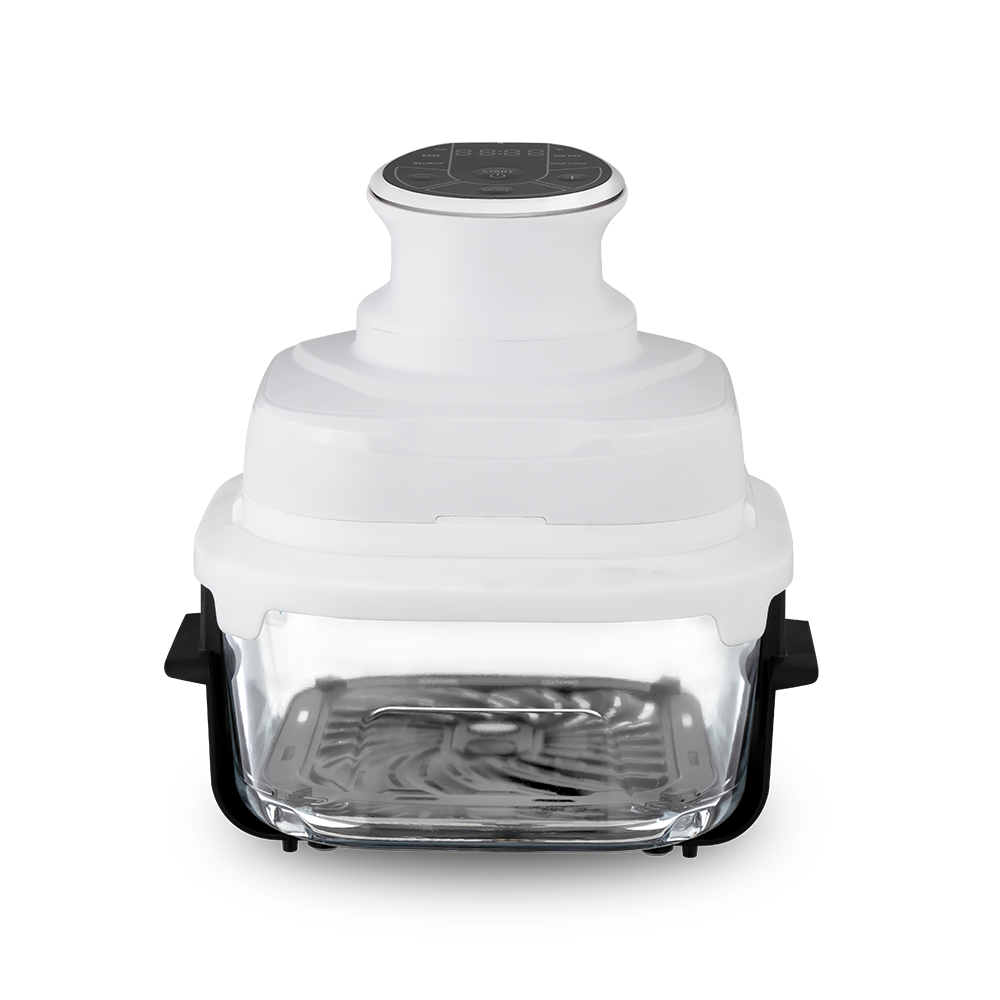
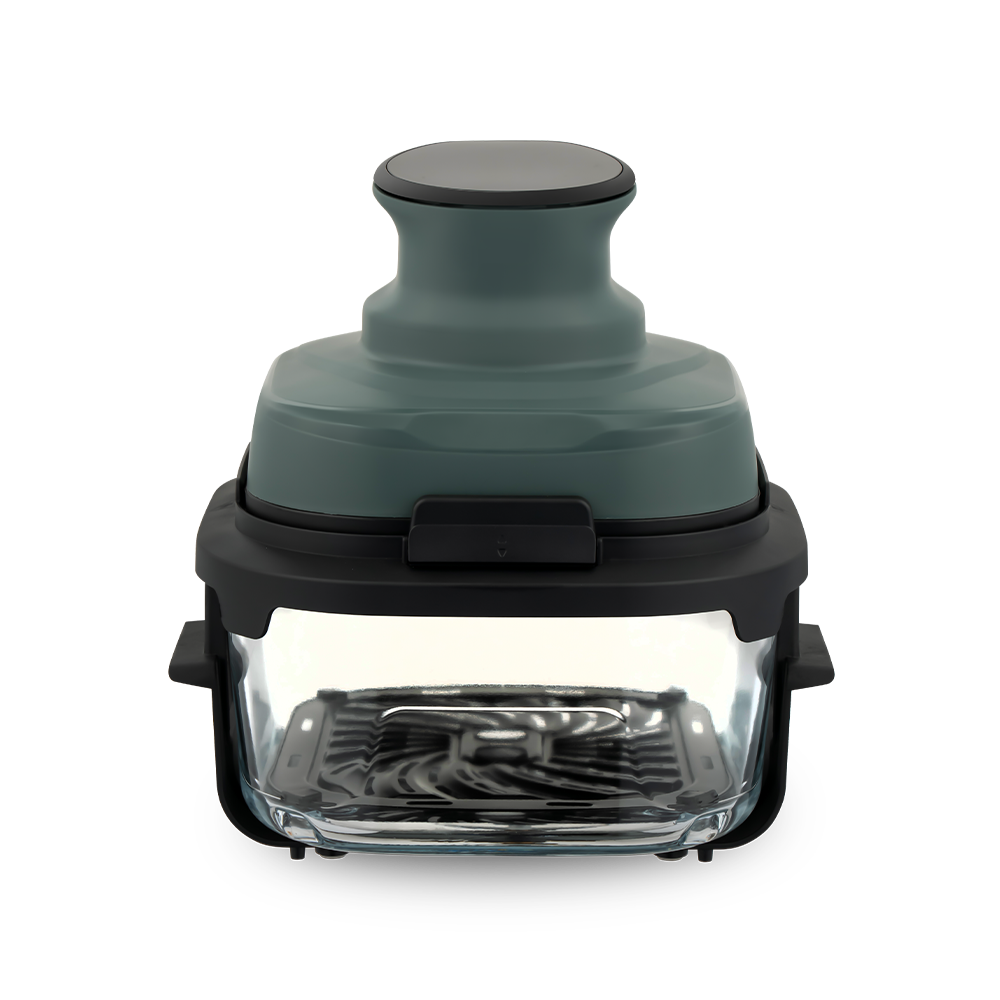
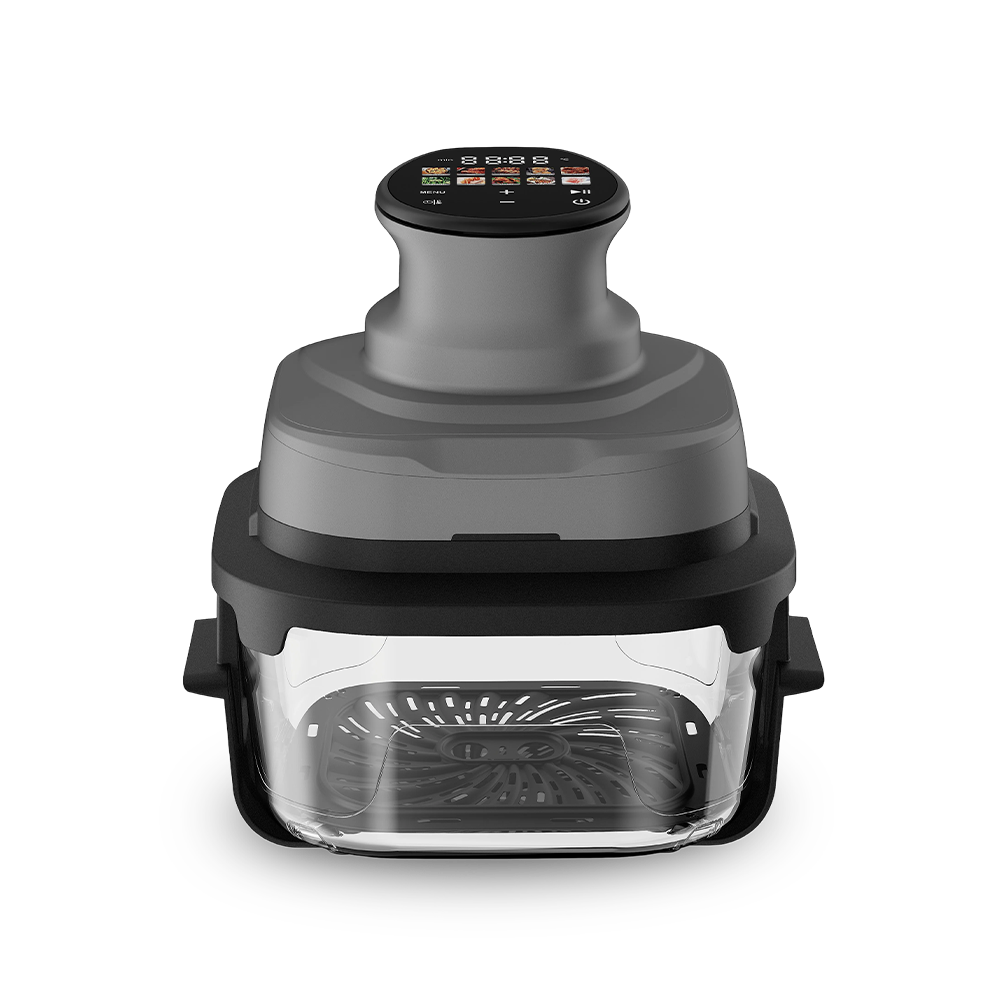
READ MOREGlass air fryers utilize high-borosilicate transparent walls to offer full visual monitoring of the cooking cycle without thermal interruption from opening the basket. However, glass possesses different thermal conductivity characteristics compared to traditional metallic drawers lined with non-stick coatings. Metal chambers reflect radiant heat inward and warm up rapidly along the vertical walls, whereas glass absorbs thermal radiation at a different rate and allows a portion of infrared energy to pass through its transparent boundary. This thermodynamic difference means that radiant heat from the top heating element dominates the upper surface of the food, while the bottom of the glass container relies heavily on air circulation and indirect thermal conduction from the rack. Balancing the temperature differential between the top and bottom regions requires managing heat transfer pathways through proper accessory elevation and airflow vectoring.
Positioning food directly onto the flat glass floor blocks forced convection currents, creating a localized dead zone where air velocity drops to near zero. When air cannot circulate beneath the ingredients, moisture trapped at the bottom turns into localized steam rather than evaporating. This results in a soft, undercooked base while the top browns rapidly under direct heat. Utilizing a raised high-borosilicate or stainless steel wire rack creates a necessary clearance zone between the food and the glass base. This air gap allows high-velocity thermal currents to pass beneath the ingredient, driving off bottom-surface moisture and elevating the local temperature enough to promote uniform surface transformation across the entire food item.
| Chamber Material | Thermal Conduction Mode | Radiant Reflection Efficiency | Air Circulation Impact at Base |
|---|---|---|---|
| Borosilicate Glass | Low-to-Moderate Direct Conduction | Low Interior Reflection | Requires Elevation Rack for Base Flow |
| Coated Aluminum | High Direct Wall Conduction | High Internal Reflection | Relies on Perforated Wall Baffles |
| Stainless Steel | Moderate Direct Conduction | Moderate Internal Reflection | Requires High Kinetic Air Velocity |
Sticking occurs when proteins and starches in food form chemical bonds with microscopic surface imperfections on the cooking substrate under high heat. Glass surfaces, while smooth to the touch, still contain micro-texture features that allow wet food batters or lean animal proteins to adhere during initial heating. Applying a thin, uniform coating of high-smoke-point cooking oil onto both the wire rack and the bottom of the glass cavity creates a physical barrier that fills these surface pores. Enterprises such as Ningbo Magichef Electric Appliance Co.,Ltd. focus on optimizing thermal distribution in glass air fryers to ensure that oil films reach a stable operating temperature quickly. Pre-heating the elevated rack prior to adding food accelerates the initial searing of the bottom surface, causing proteins to denature immediately into a firm crust rather than binding directly to the rack wires or glass floor.
Overcrowding the base of a glass air fryer severely restricts air passage, causing moisture released from neighbouring food items to pool at the bottom. When ingredients touch or overlap, they create a dense mass that acts as a thermal heat sink, absorbing available energy without allowing the air stream to penetrate the lower layers. Maintaining adequate space between individual food items ensures that superheated air can sweep down between the pieces, hit the bottom of the glass bowl, and curve back upward. Regulating the total batch weight allows the internal heating system to maintain a stable ambient temperature, ensuring that water vapor released from the underside of the food is swept away immediately before it can condense back onto the glass floor.
| Ingredient Type | Primary Sticking Mechanism | Prevention Strategy | Bottom Crisping Requirement |
|---|---|---|---|
| Marinated Meats | Protein Denaturation and Sugar Caramelization | Light Oil Barrier and Rack Pre-heating | Direct Convection Clearance Zone |
| Starchy Vegetables | Gelatinized Starch Adhesion | Dry Surface Pre-treatment and Spaced Layout | High Velocity Under-flow Air Distribution |
| Wet Batter Foods | High Surface Water Content Migration | Perforated Liner Base and High Initial Heat | Rapid Initial Surface Dehydration |
Even with optimized aerodynamics, the directional bias of top-mounted heating elements means the top layer of food receives a higher proportion of direct radiant energy. Incorporating a systematic mid-cycle rotation compensates for this natural gradient. Flipping larger items or shaking smaller ingredients halfway through the cooking timer redistributes the food relative to the heat source. This action exposes the previously shielded lower surface directly to the top-down thermal air current, allowing both sides to experience equal duration under intense convective heat. Regular agitation also disrupts any early-stage adhesion forming between food starches and the support grid, preventing permanent sticking before the cooking cycle finishes.
Inserting specialized accessories can further refine bottom-layer heat management inside glass cooking bowls. Perforated silicone mats or food-grade parchment paper liners offer non-stick properties while preserving airflow through engineered hole patterns. These liners act as a buffer between delicate foods and the rigid support structure, preventing soft items like fish fillets from tearing upon removal. When using solid liners, such as glass-safe baking dishes, adjustments to total cooking time and temperature become necessary, as solid barriers fully block convective airflow from beneath and force the lower section to rely entirely on slower conductive heat transfer through the accessory wall.
A: High-borosilicate glass features a very low coefficient of thermal expansion, allowing it to withstand sudden, extreme temperature shifts without cracking or structural fatigue. In manufacturing processes supported by enterprises like Ningbo Magichef Electric Appliance Co.,Ltd., the glass cooking bowls undergo specialized thermal tempering and strict annealing protocols. This ensures structural stability when transitioning from room temperature to peak operating heat under intense internal air circulation.
Q: How does transparent glass housing alter heat reflection and cooking efficiency compared to metal air fryer baskets?A: Metallic cooking chambers reflect radiant heat inward off their internal walls, whereas glass allows a portion of thermal radiation to pass through its transparent walls while retaining hot air convection inside. To compensate for this difference, glass air fryers rely more heavily on optimized airflow dynamics, precise fan speed control, and elevated wire racks to distribute convective heat evenly across all sides of the food.
Q: Why is preheating particularly beneficial when preparing delicate or high-protein foods in a glass air fryer?A: Preheating brings both the internal chamber air and the elevated wire rack up to target cooking temperature before ingredients are added. Placing proteins or starches onto a preheated surface causes immediate outer moisture evaporation and surface searing, which rapidly sets the exterior crust and prevents raw ingredients from adhering to the support grid during the initial stages of cooking.
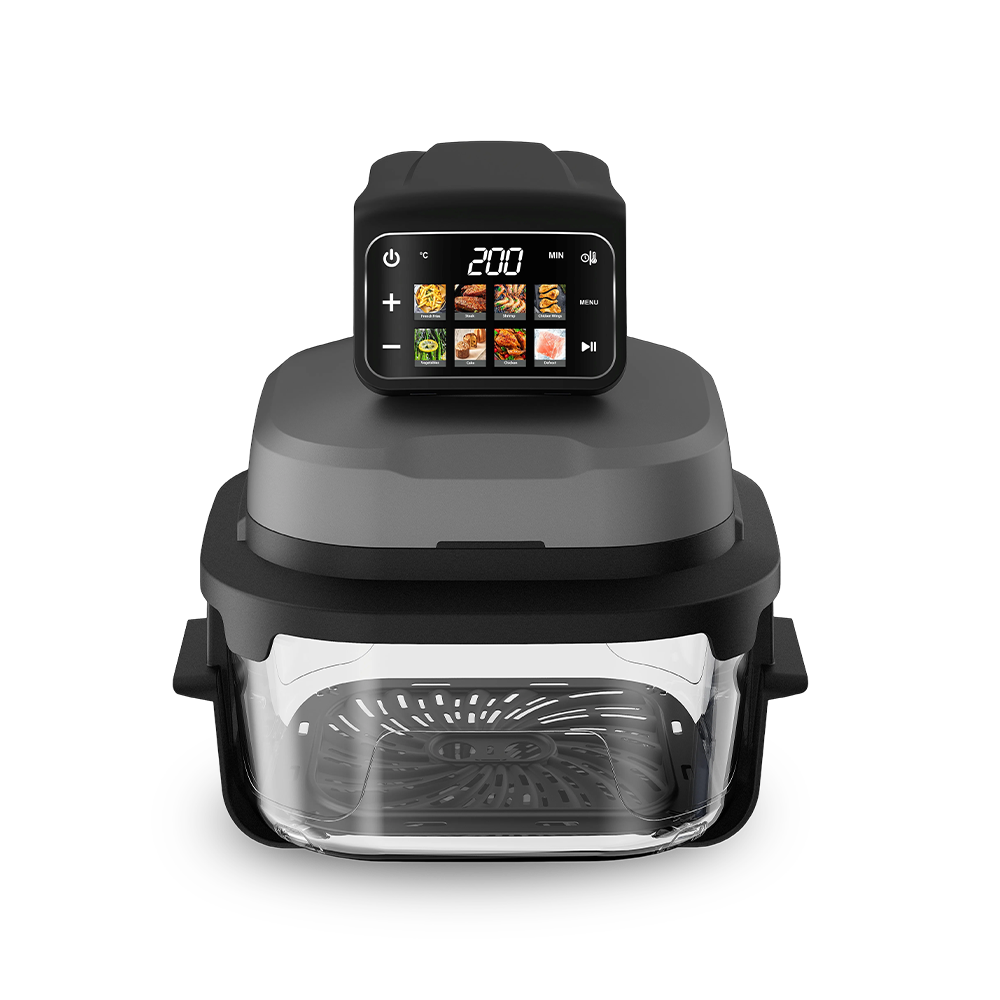
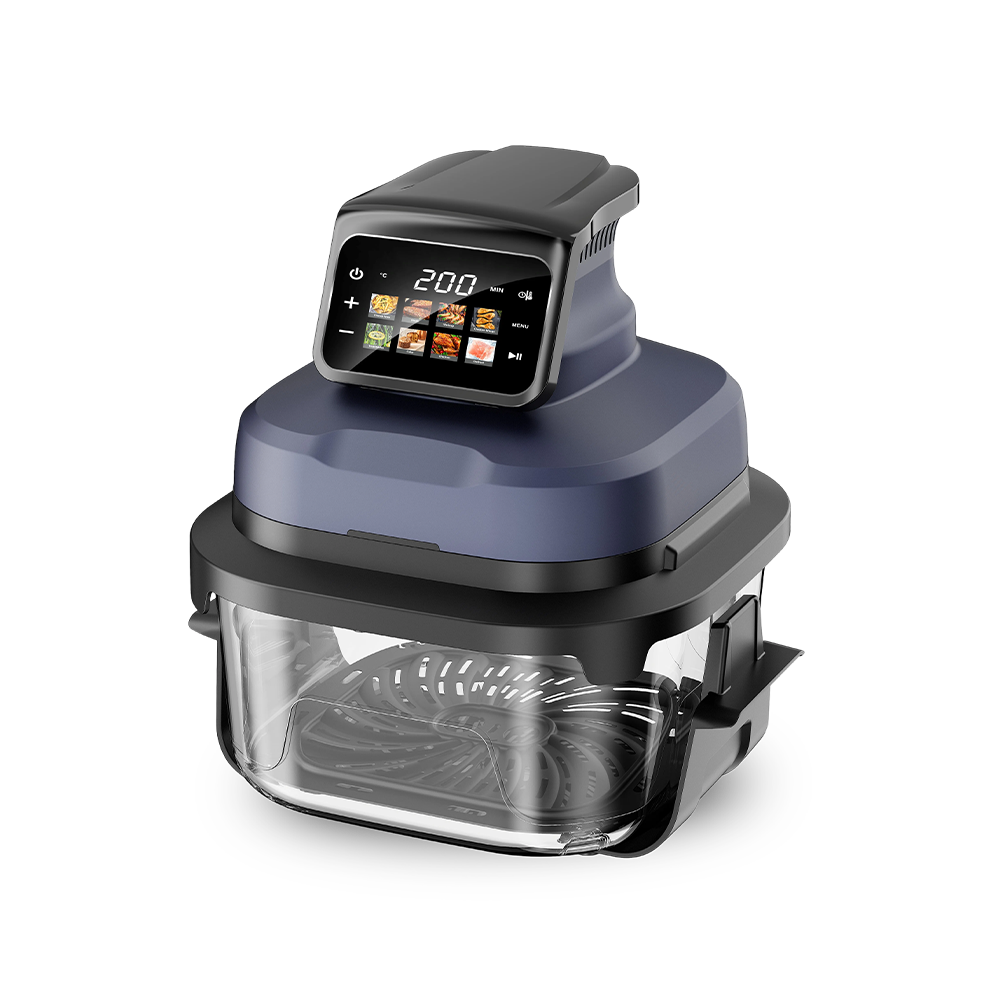
Q: What design adaptations allow glass air fryers to accommodate custom digital control interfaces and smart cooking presets?A: Because the main body consists of a transparent glass container, the electronic control modules, touch sensors, and microprocessors are integrated into either the top lid unit or a base pedestal structure. R&D engineering teams configure PCB firmware to calibrate heating element output and fan speeds according to the specific thermal retention properties of the glass bowl, ensuring accurate execution of automated preset programs.
Q: How should glass air fryer bowls be maintained to preserve optical clarity and prevent grease buildup over extended use?A: Maintaining the clarity of the glass bowl requires allowing the container to cool naturally to ambient temperature before cleaning, preventing thermal shock from cold water immersion. Soaking the bowl in warm water with mild, non-abrasive detergents helps dissolve polymerized oil residues on the smooth non-porous glass surface without scratching, ensuring full 360-degree visibility remains unhindered over time.




 English
 русский