Ningbo Magichef Electric Appliance Co.,Ltd.
A cook opens the air fryer drawer at minute 14, checks the wings, and closes it again. That single peek costs heat, time, and sometimes crispness. A visible air fryer with a window or glass basket solves that specific problem: you can judge color and movement without breaking the cooking cycle. For most home kitchens,...
READ MOREMagichef Brings New Air Fryers to the Canton Fair Visit us October 15–19, 2026 Booth 4.1A22 Ningbo, China – Ningbo Magichef Electric Appliance Co., Ltd. announced that it will take part in the 140th China Import and Export Fair (Canton Fair), held October 15–19, 2026. At Booth 4.1A22, the company will present its l...
READ MOREA two-year-old air fryer sits on the kitchen counter. The fan spins, the heating element still produces intense heat, and the food comes out crisp, but the touchscreen is dark. The control board failed, and the repair quote is nearly the price of a new unit. That is the most common failure mode among digital air fryer...
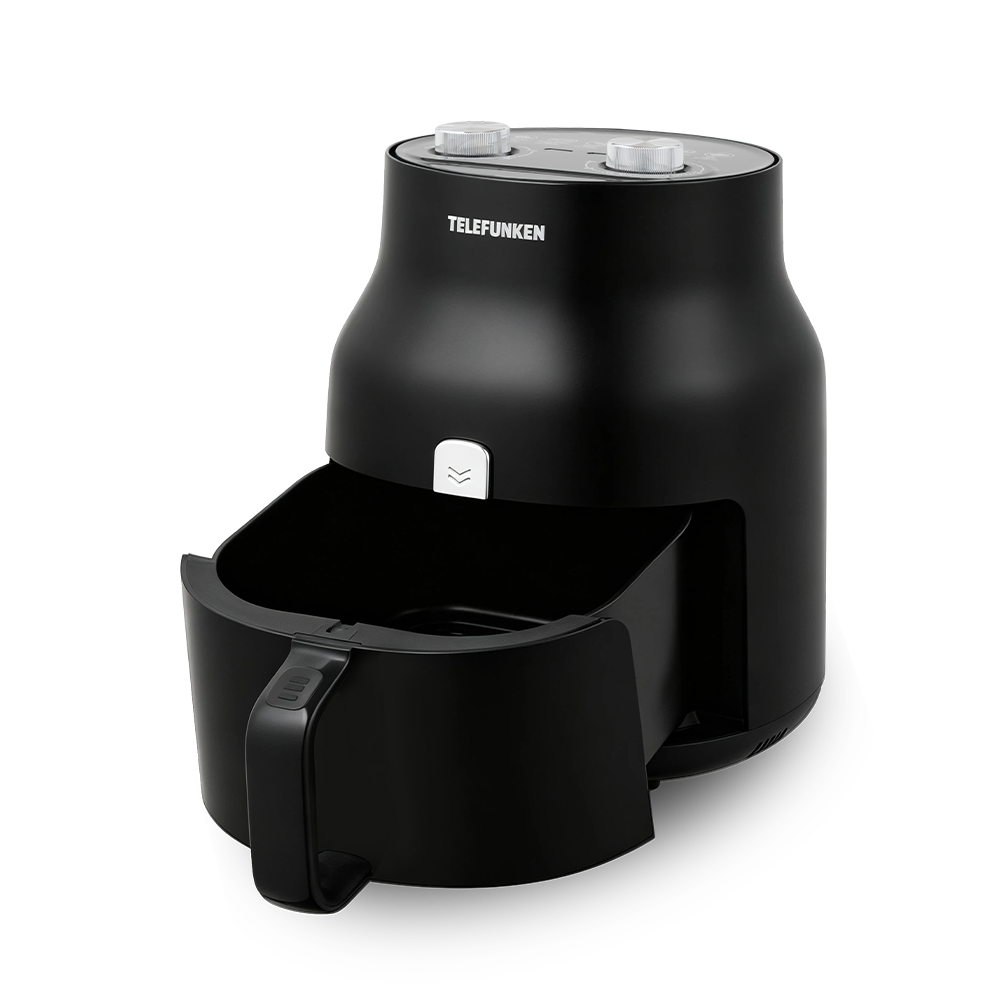
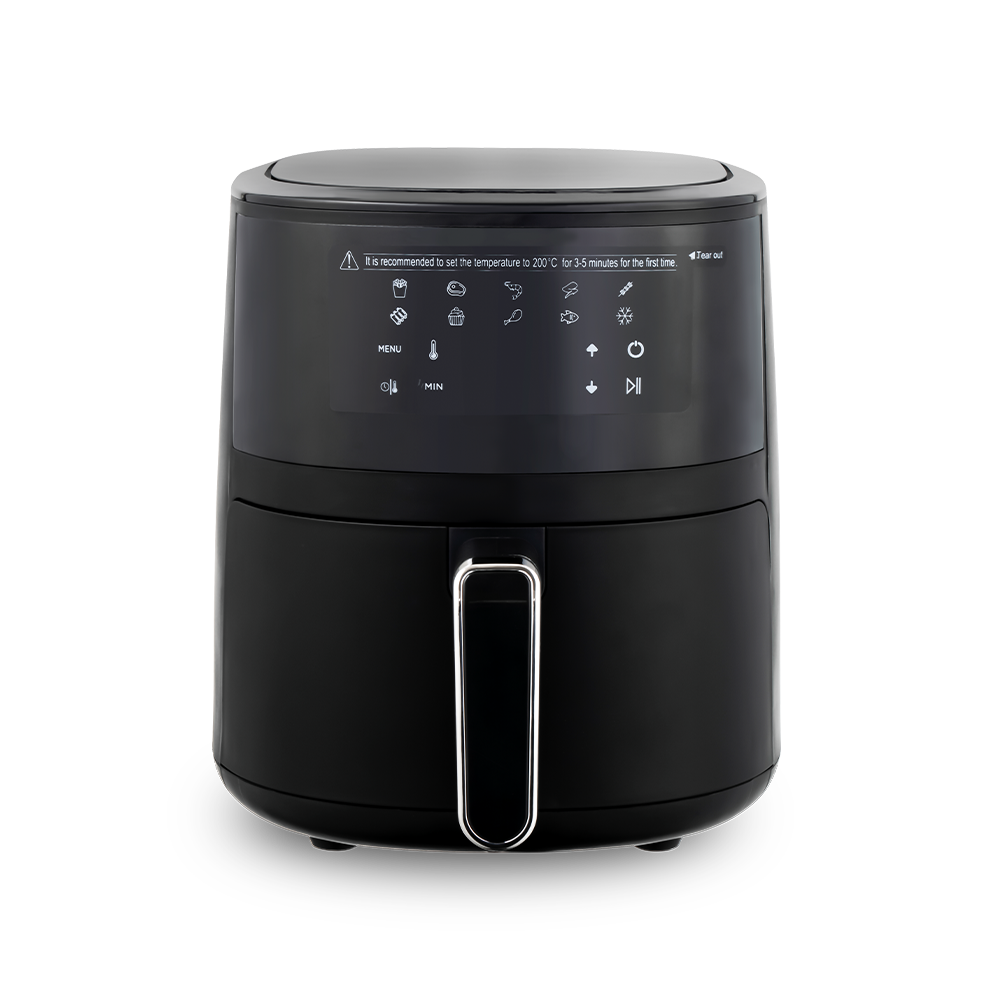
READ MOREIn small air fryers typically built with capacities between two and three point five liters, managing heat is primarily a challenge of strict space constraints. Because the heating element, metal cooking basket, and outer resin casing reside just centimeters apart, high internal temperatures reaching 200 degrees Celsius can rapidly migrate outward. Without deliberate engineering to direct thermal energy, intense heat accumulation risks warping the exterior chassis or overheating the digital display. Managing these tight physical boundaries requires specialized component placement and efficient internal heat dissipation paths to maintain safe operating conditions during continuous cooking cycles.
Because hot air naturally rises, the top section housing the microprocessor circuit board and touch controls receives intense thermal stress from the heating element directly below. To shield delicate electronic components from degradation, small air fryers incorporate stamped aluminum reflective plates positioned directly above the heating coil. This reflective barrier redirects infrared radiant energy back down toward the food basket. Positioned above this metal shield, high-density glass wool insulation pads absorb residual conductive heat. Research and development teams at Ningbo Magichef Electric Appliance Co.,Ltd. optimize the thickness of these insulation barriers, keeping circuit board ambient temperatures well below critical limits.
| Internal Heat Zone | Primary Protection Material | Thermal Function | Component Temperature Threshold |
|---|---|---|---|
| Top Electronics Housing | Aluminum Shield + Glass Wool | Blocks Upward Radiant Heat | Below 65°C Operating Limit |
| Outer Plastic Casing | Double-Wall PP Shell + Air Gap | Prevents Conductive Heat Transfer | Touch-Safe Below 55°C |
| Basket Handle Interface | Reinforced Bakelite Isolation | Restricts Heat Conduction | Safe for Direct Hand Contact |
To safeguard internal power electronics during operation, small air fryers employ a multi-stage fan motor setup. Mounted on a single drive shaft, a primary lower fan circulates hot air through the cooking cavity while a secondary upper cooling impeller draws fresh, cool air from outside the housing. This secondary airflow sweeps continuously across the main PCB, motor coils, and power relays to carry away heat generated by internal electrical resistance. Engineering groups at Ningbo Magichef Electric Appliance Co.,Ltd. design separate exhaust channels for this fresh-air loop, ensuring waste heat from the electronics is vented independently without mixing with the high-moisture air inside the cooking chamber.
Safely expelling hot exhaust air is essential to protect nearby kitchen walls, power cords, and countertops from heat damage. Small air fryers feature rear-facing exhaust ports fitted with angled internal louvers that direct hot, moist air upward into the room rather than straight against backsplashes. Additionally, molded bumpers extend from the back of the outer casing to physically prevent users from pushing the appliance flat against a wall. This enforced clearance keeps the exhaust path clear, allowing hot air to disperse smoothly into ambient room air without forming localized heat traps.
| Safety Layer | Trigger Cause | System Action | Safety Outcome |
|---|---|---|---|
| NTC Temperature Sensor | Abnormal Internal Heat Rise | Modulates Power to Heating Coil | Maintains Target Operating Heat |
| Thermal Cutoff Fuse | Critical Overheat Event (Over 216°C) | Permanently Opens Power Circuit | Completely Prevents Thermal Runaway |
| Basket Interlock Switch | Basket Removal Mid-Cycle | Cuts Power to Fan and Coil | Eliminates Hot Air Blowout Exposure |
To guard against thermal runaway caused by component failure or blocked vents, small air fryers rely on a multi-tier electrical safety circuit. A sensitive NTC thermistor continuously measures internal air temperatures, signaling the microprocessor to pause power if set limits are exceeded. If electronic regulation ever fails, a secondary inline thermal fuse acts as a fail-safe backup. Built with a heat-sensitive alloy, this fuse melts instantly if internal temperatures cross critical safety limits, permanently breaking the electrical circuit to the heating coil and preventing damage to the surrounding appliance housing.
A: Compact units feature dedicated heat reflection shields made of stamped aluminum combined with dense insulating pads directly above the heating coil. Manufacturing processes at companies such as Ningbo Magichef Electric Appliance Co.,Ltd. optimize this barrier structure to block upward radiant heat, keeping the top control board and digital interface well within safe operational temperature limits.
Q: What active cooling measures are implemented inside small air fryers to prevent fan motor overheating?A: In addition to the main airflow impeller that cooks the food, compact models utilize an upper secondary fan blade driven by the same motor shaft. This secondary fan draws cool ambient air through internal micro-channels directly across the circuit board and motor coils. The warmed cooling air is then vented out through dedicated secondary exhaust pathways, ensuring continuous thermal protection during long cooking cycles.
Q: How does the physical design of small air fryers assist in managing exhaust air when placed close to kitchen walls?A: Rear exhaust ports are engineered with upward-angled louvers that guide hot, moist air away from backsplashes and electrical outlets. Furthermore, molded clearance bumpers on the rear of the outer housing physically prevent users from pushing the appliance flush against a wall, maintaining an unobstructed path for efficient heat dissipation.
Q: What redundant safety cutoffs exist in small air fryers if electronic temperature regulation fails?A: Small air fryers implement a dual-layer safety system. While an NTC thermistor actively provides continuous temperature tracking to the processor, a secondary inline thermal fuse acts as a hardware fail-safe. If internal temperatures cross critical factory limits, the heat-sensitive fuse permanently melts to instantly cut power to the heating element, effectively preventing thermal damage to the housing.
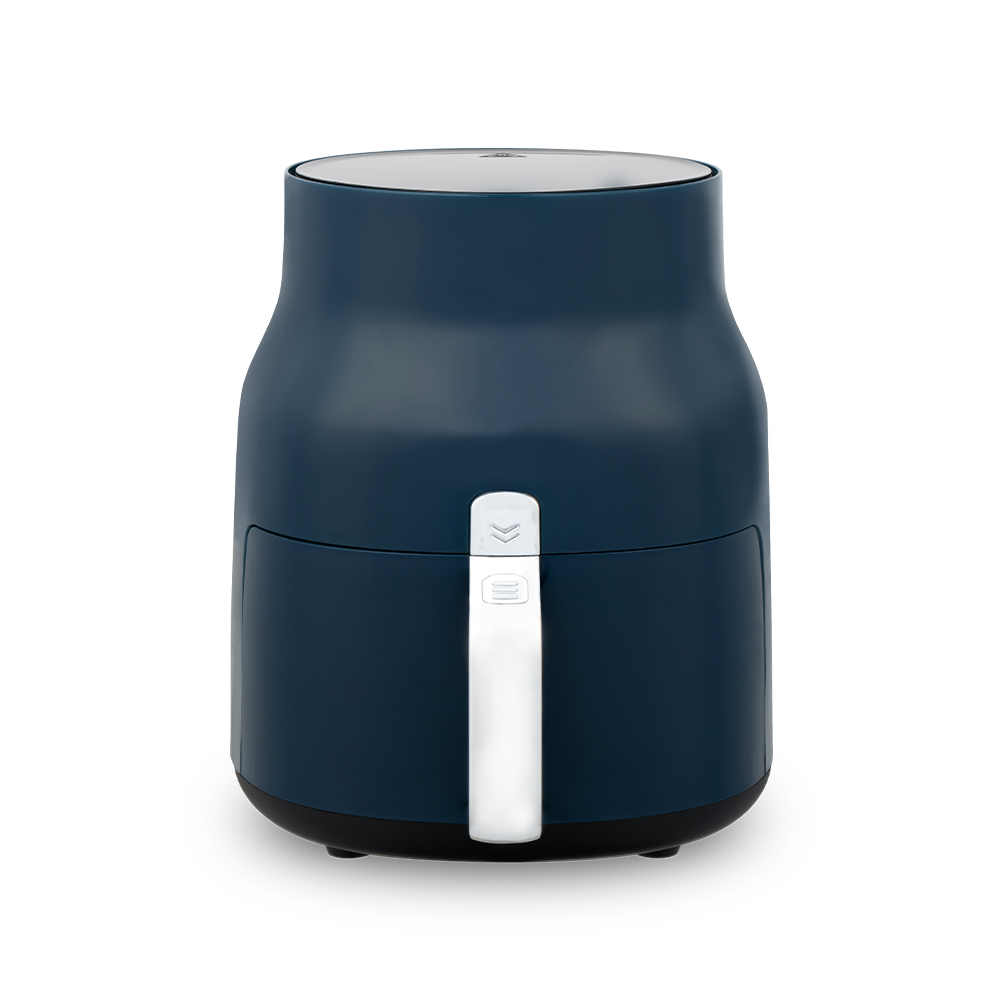
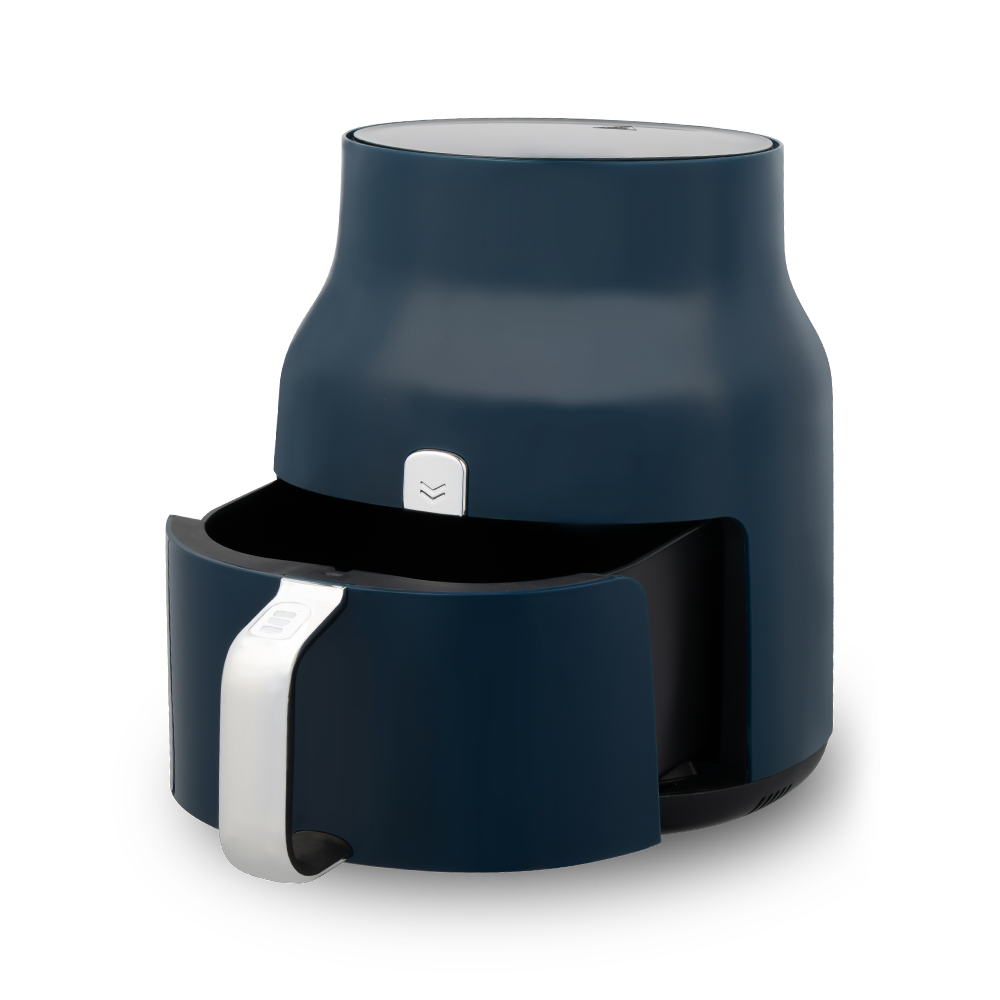
Q: Why are small air fryers particularly popular for OEM/ODM customization in urban or single-person household markets?A: The compact footprint offers an optimal balance between low energy consumption and quick preheating speeds, making it ideal for smaller living spaces. Engineering teams can easily adapt the small chassis to incorporate diverse control interfaces, custom outer shell colorways, and specialized microprocessor presets tailored to regional food preferences.




 English
 русский