Ningbo Magichef Electric Appliance Co.,Ltd.
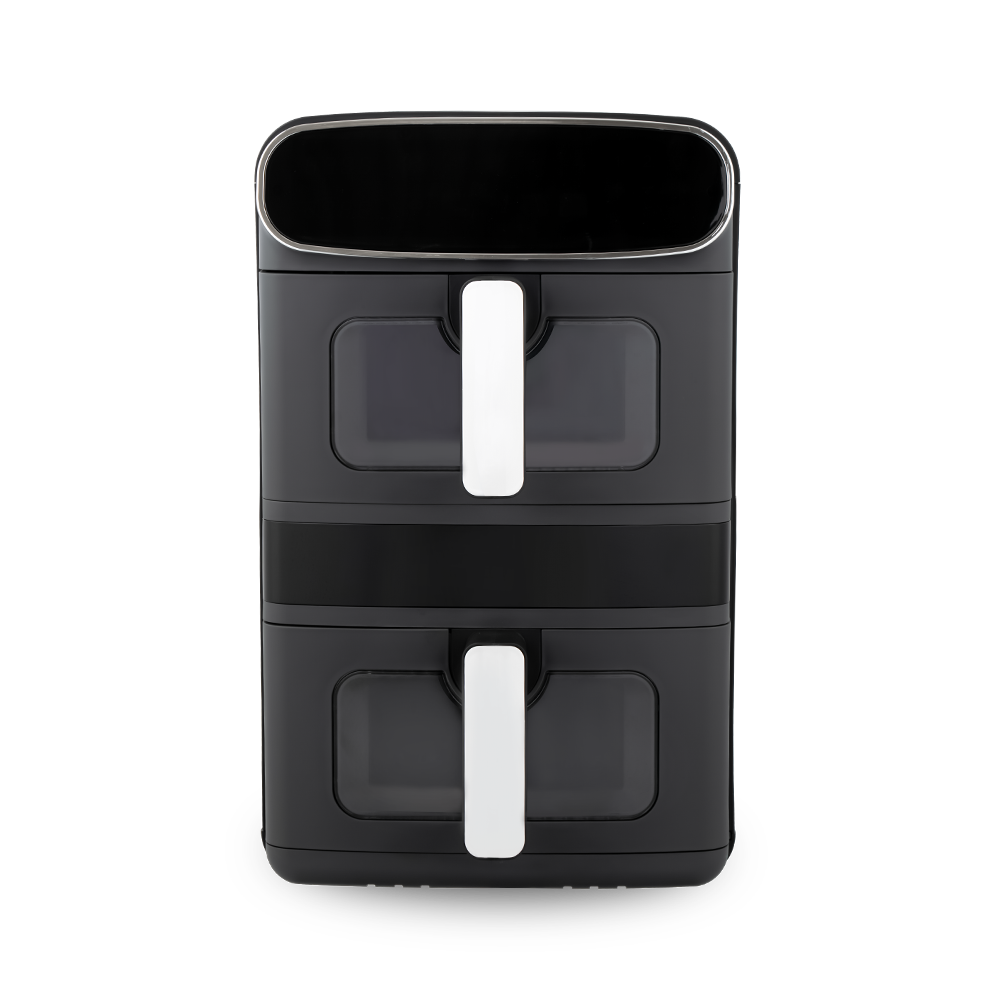
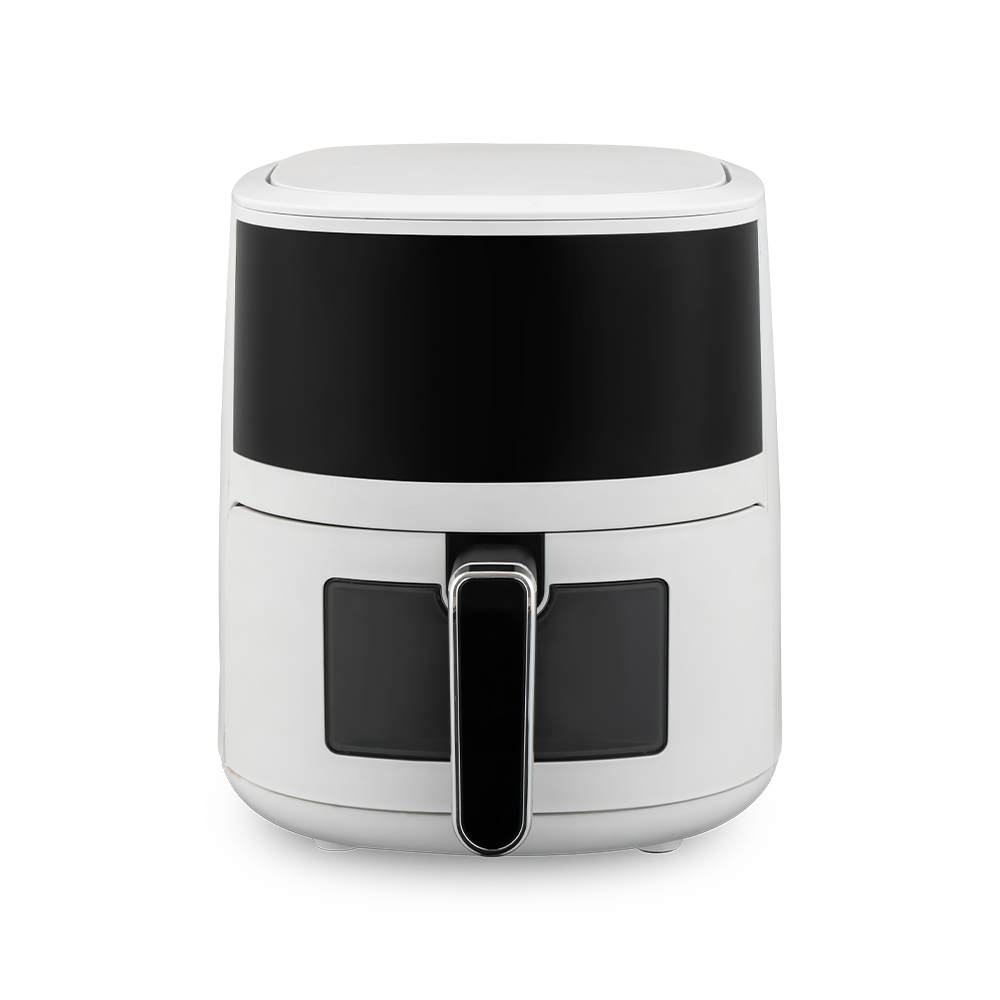
A cook opens the air fryer drawer at minute 14, checks the wings, and closes it again. That single peek costs heat, time, and sometimes crispness. A visible air fryer with a window or glass basket solves that specific problem: you can judge color and movement without breaking the cooking cycle. For most home kitchens,...
READ MOREMagichef Brings New Air Fryers to the Canton Fair Visit us October 15–19, 2026 Booth 4.1A22 Ningbo, China – Ningbo Magichef Electric Appliance Co., Ltd. announced that it will take part in the 140th China Import and Export Fair (Canton Fair), held October 15–19, 2026. At Booth 4.1A22, the company will present its l...
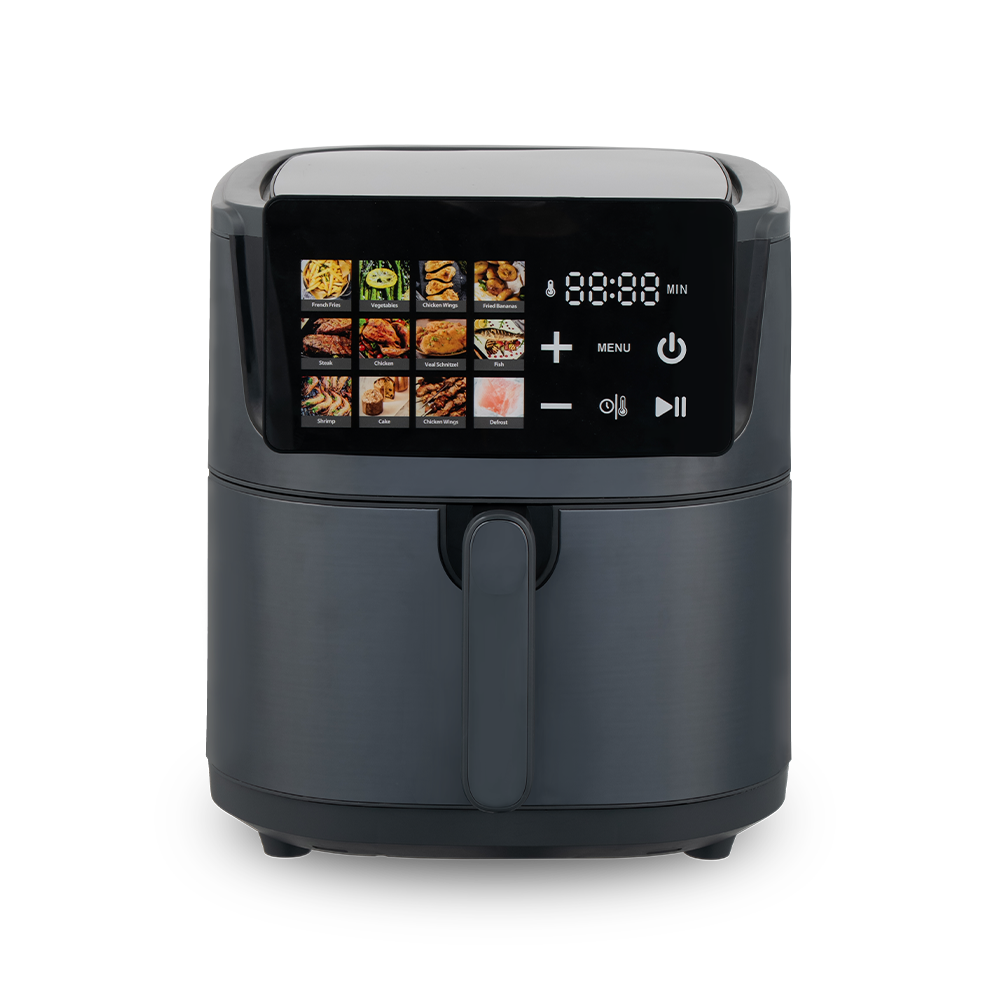
READ MOREA two-year-old air fryer sits on the kitchen counter. The fan spins, the heating element still produces intense heat, and the food comes out crisp, but the touchscreen is dark. The control board failed, and the repair quote is nearly the price of a new unit. That is the most common failure mode among digital air fryer...
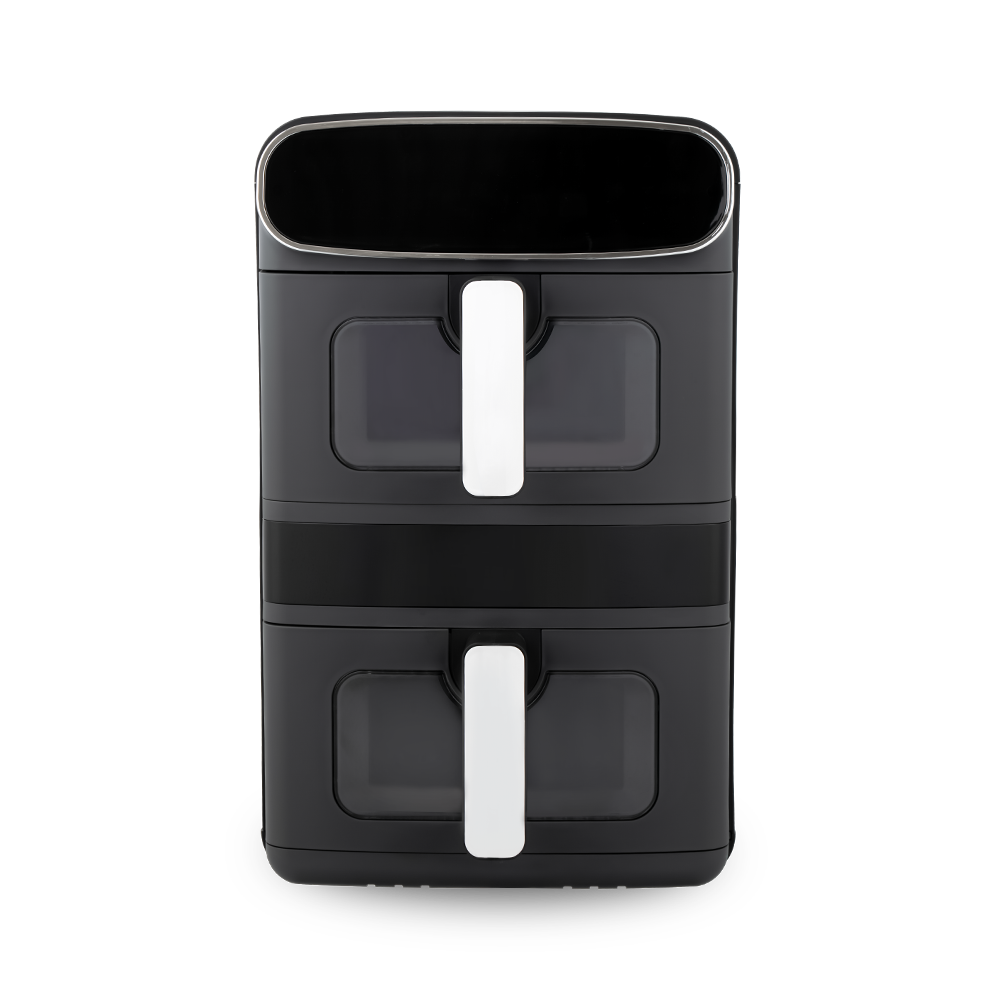
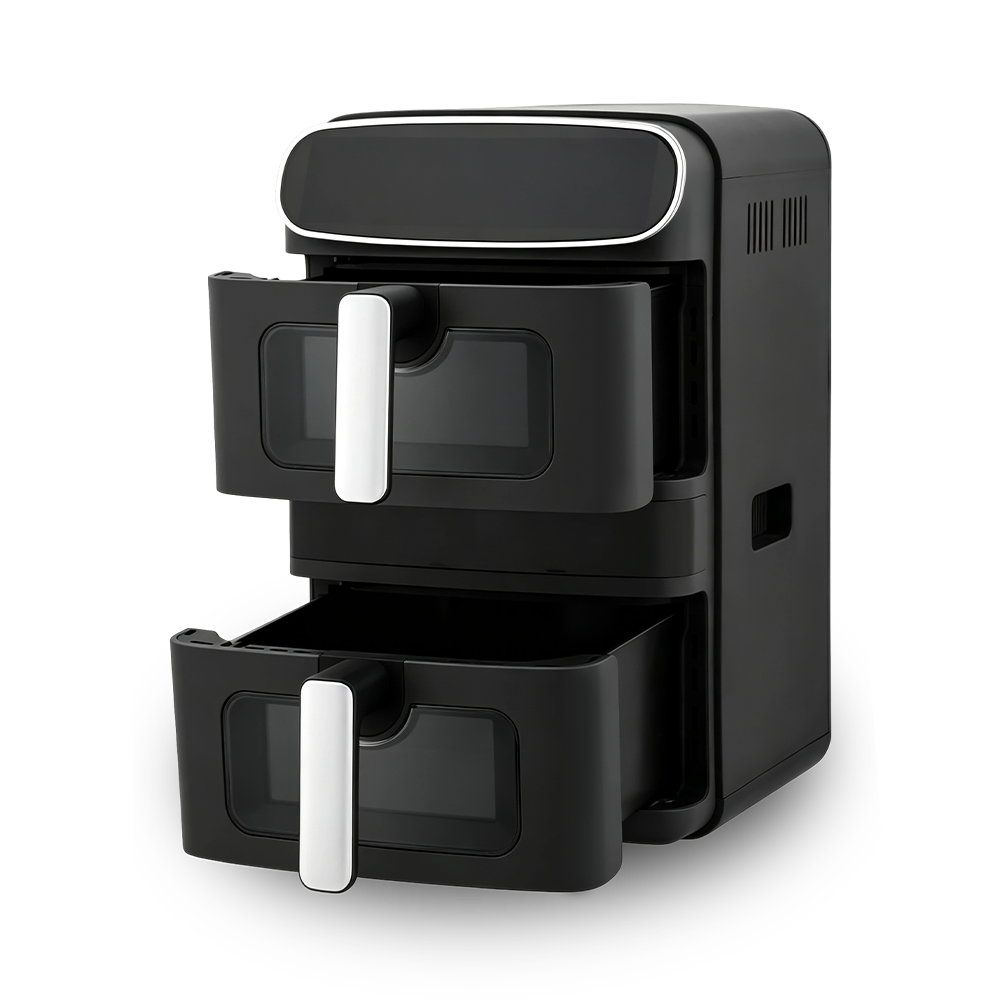
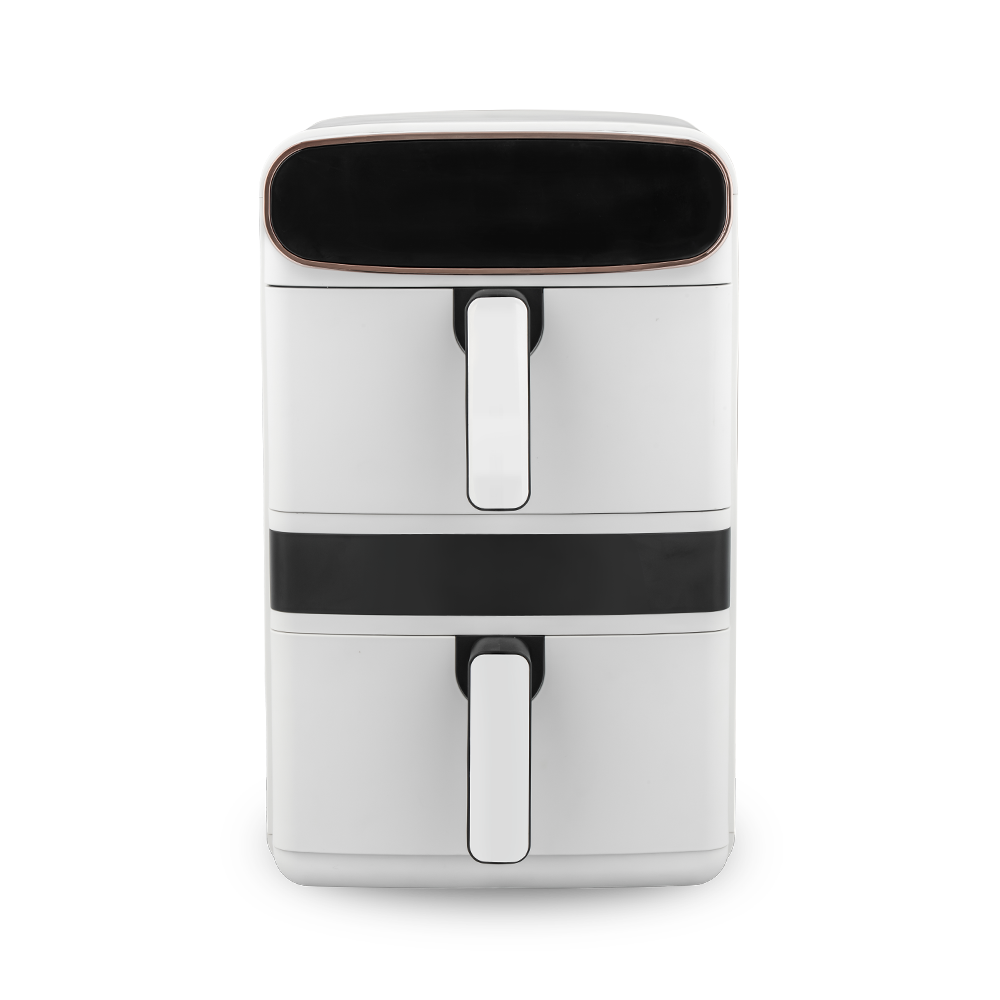
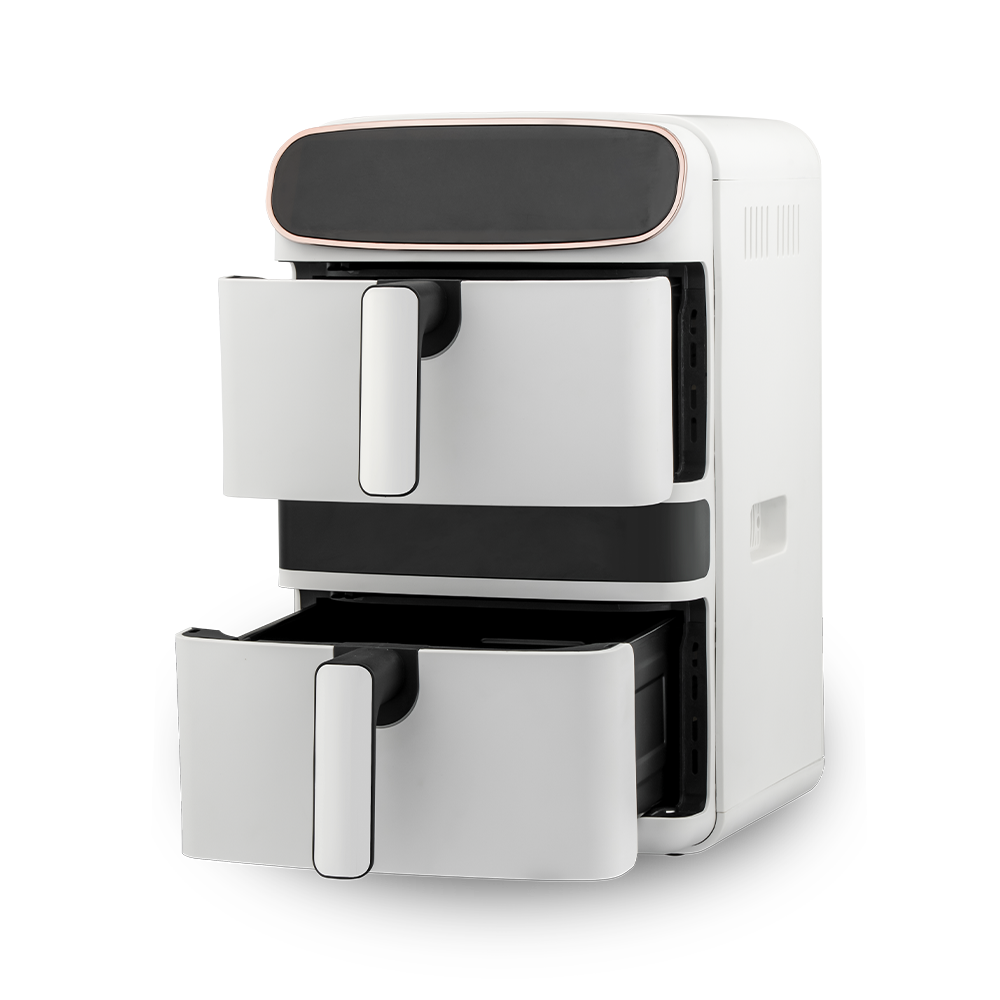
READ MOREDual air fryers rely on independent chamber architectures to process two separate food loads under distinct thermal profiles. Each cooking zone operates as a self-contained unit, equipped with its own dedicated heating element, sensor, and motorized convection fan assembly. To enable simultaneous cooking without thermal interference, structural physical dividers and internal insulation barriers separate the two cavities. This thermal isolation prevents heat transfer between zones, allowing one compartment to operate at high temperatures while the adjacent compartment cooks at lower settings. The control logic depends entirely on this separation to calculate independent heating curves, ensuring that temperature adjustments in one basket do not alter the environmental parameters or cooking kinetics of the other.
The core implementation of the Sync Finish feature rests within the control system executing on the central circuit board. When a user selects different cooking durations and temperatures for Basket A and Basket B, the internal system compares both time settings. Rather than starting both heating circuits simultaneously, the system calculates the time difference between the longer cooking setting and the shorter cooking setting. The basket assigned the longer duration turns on immediately, while the heating element and fan for the shorter zone remain in a resting delay state. The controller counts down the primary timer until the remaining time matches the duration needed for the second basket, at which point it turns on the second heating unit. Both zones then run together for the remaining time, bringing both dishes to completion at the exact same instant.
| Zone Parameter | Primary Zone (Longer Duration) | Secondary Zone (Shorter Duration) |
|---|---|---|
| Activation Point | Starts Immediately | Delayed Start |
| Heating Coil Status | Active from Start | Standby during Delay Phase |
| Microcontroller State | Active Cooking Mode | Countdown Standby Mode |
| Completion Time | Target Finish Time | Target Finish Time |
Operating two independent heating elements simultaneously introduces high electrical load requirements on domestic circuit configurations. Dual air fryers manage this power demand through dynamic power allocation strategies managed by the main control board. When both zones operate at peak power, total current draw can approach household circuit limits. Engineering teams, such as those at Ningbo Magichef Electric Appliance Co.,Ltd., design control firmware that modulates power signals sent to each heating loop. By staggering the activation pulses of the heating coils or rapidly switching power allocation between zones during steady-state cooking, the appliance maintains precise thermal conditions in both chambers without causing circuit overload or voltage drops.
A significant technical challenge in synchronized cooking is accounting for thermal inertia—the time required for a cold chamber to reach target operating temperatures. A shorter cooking cycle started from a cold baseline takes longer to reach target heat than a zone that has been running for several minutes, as heat radiates through shared internal structural components. Advanced Sync Finish algorithms incorporate empirical thermal models to offset this delay. The system applies a calculated pre-heating buffer to the delayed zone, energizing its heating element slightly before the strict time differential threshold is reached. This compensates for ramp-up latency, ensuring that both chambers maintain their expected thermal profiles throughout their active cooking windows.
| Cooking Phase | Single Zone Operation | Dual Zone Sync Operation |
|---|---|---|
| Thermal Ramp-Up | Standard Linearity | Offset-Corrected Ramp Curve |
| Power Consumption Pattern | Continuous Duty Cycle | Pulse-Width Modulated Allocation |
| Timer Control Method | Direct Linear Countdown | Differential Countdown with Trigger Hooks |
| Finish Precision | Independent Completion | Synchronized Completion |
Translating dual-zone timing algorithms into an accessible user experience requires integrated display logic and real-time state feedback. The control panel displays separate digital timers for each basket alongside unified status indicators. During the initial delay phase of the shorter zone, the user interface indicates a hold status for that specific chamber while actively counting down the main timer. Internal heat sensors continuously feed real-time temperature data back to the central processor. If a user opens one basket mid-cycle to shake or inspect ingredients, the processor pauses that zone's timer and dynamically recalibrates the remaining duration. The Sync Finish algorithm recalculates the timing offset in real time, extending or adjusting the secondary zone's parameters to ensure both baskets still conclude simultaneously upon door re-engagement.
Maintaining separate micro-environments in dual air fryers requires dedicated airflow management systems. Dual-fan setups draw fresh air through independent intake ducts, forcing it across the respective heating coils and through the perforated cooking baskets. Independent exhaust channels route hot, moisture-laden air out of the back or bottom of the appliance without allowing cross-contamination of air streams between chambers. This physical isolation prevents steam or oil particles from the longer-cooking compartment from entering the dormant or lower-temperature compartment, maintaining the distinct ambient humidity levels essential for proper surface crisping in both cooking zones.
A: Dual air fryers use two completely separated internal cavities, each fitted with its own dedicated heating element, fan motor, and thermistor sensor. A central power PCB manages the electrical power delivered to each coil independently. This isolated hardware setup allows one chamber to maintain a high searing temperature while the adjacent compartment cooks at a gentler, lower heat setting without thermal transfer between the two spaces.
Q: What allows dual air fryers to run both baskets at high heat without tripping household circuit breakers?A: Running two high-wattage heating elements concurrently requires dynamic power balancing within the control board firmware. Engineering teams at enterprises such as Ningbo Magichef Electric Appliance Co.,Ltd. design intelligent pulse-width modulation algorithms that rapidly alternate or stagger the power pulses sent to each heating loop. This ensures both cavities maintain precise cooking temperatures while keeping total instantaneous electrical current draw safely within standard home circuit limits.
Q: How does the system handle timer adjustments if a user pulls out one basket to shake food mid-cycle?A: When a basket is removed during operation, a mechanical switch or optical sensor immediately signals the microprocessor to pause the timer and suspend heating in that specific zone. The control system automatically recalculates the remaining time offset for the synchronized finish algorithm. Once the basket is reinserted, the system resumes heating and dynamically updates the countdown timer to keep both cooking compartments aligned for simultaneous completion.
Q: Why do dual air fryers require separate airflow and exhaust routing for each basket zone?A: Independent airflow paths prevent thermal, moisture, and flavor cross-contamination between the two cooking chambers. Each cavity features dedicated intake channels and separate rear exhaust vents. This aerodynamic isolation keeps moist steam or lingering grease particles generated by a high-moisture dish in one basket from entering the adjacent chamber, preserving the dry heat conditions required to achieve a crisp surface texture in both dishes.
Q: What design modifications allow dual air fryers to accommodate large family-sized meals or single large ingredients?A: Advanced dual air fryer configurations often feature a removable central partition or convertible basket architecture. By removing the physical divider wall, the internal chamber transforms from two independent cooking zones into a single expanded capacity cavity. The control board then switches from dual-zone logic to a synchronized single-zone mode, energizing both heating elements together to deliver uniform convection heat across the entire expanded cooking space.




 English
 русский