Ningbo Magichef Electric Appliance Co.,Ltd.
A cook opens the air fryer drawer at minute 14, checks the wings, and closes it...
READ MOREMagichef Brings New Air Fryers to the Canton Fair Visit us October 15–19, 2026...
READ MOREA two-year-old air fryer sits on the kitchen counter. The fan spins, the heatin...
READ MOREPicture this: you have found a kitchen air fryer that looks great in the photos...
READ MOREAn electric air fryer is built around a simple process: a heating element warms...
READ MORENingbo, Zhejiang, China – September 2026 – Ningbo Magichef Electric Appliance Co...
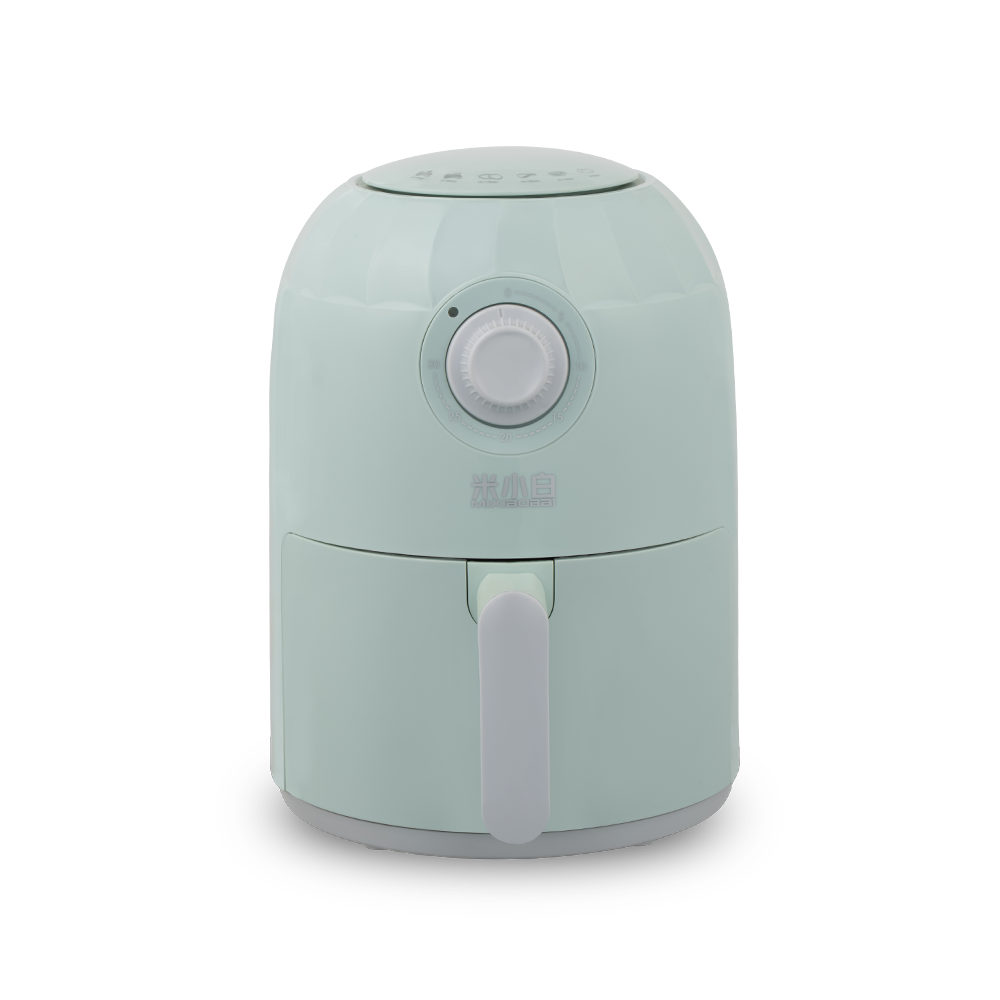
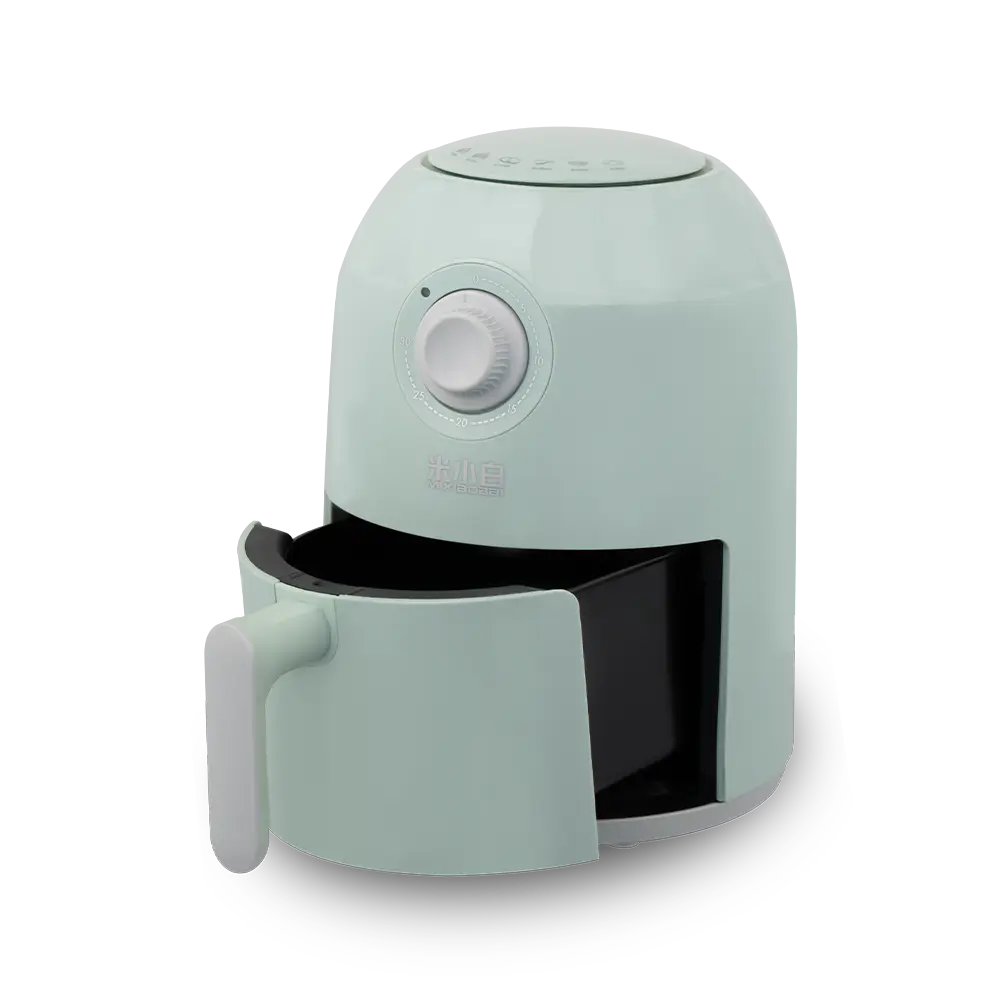
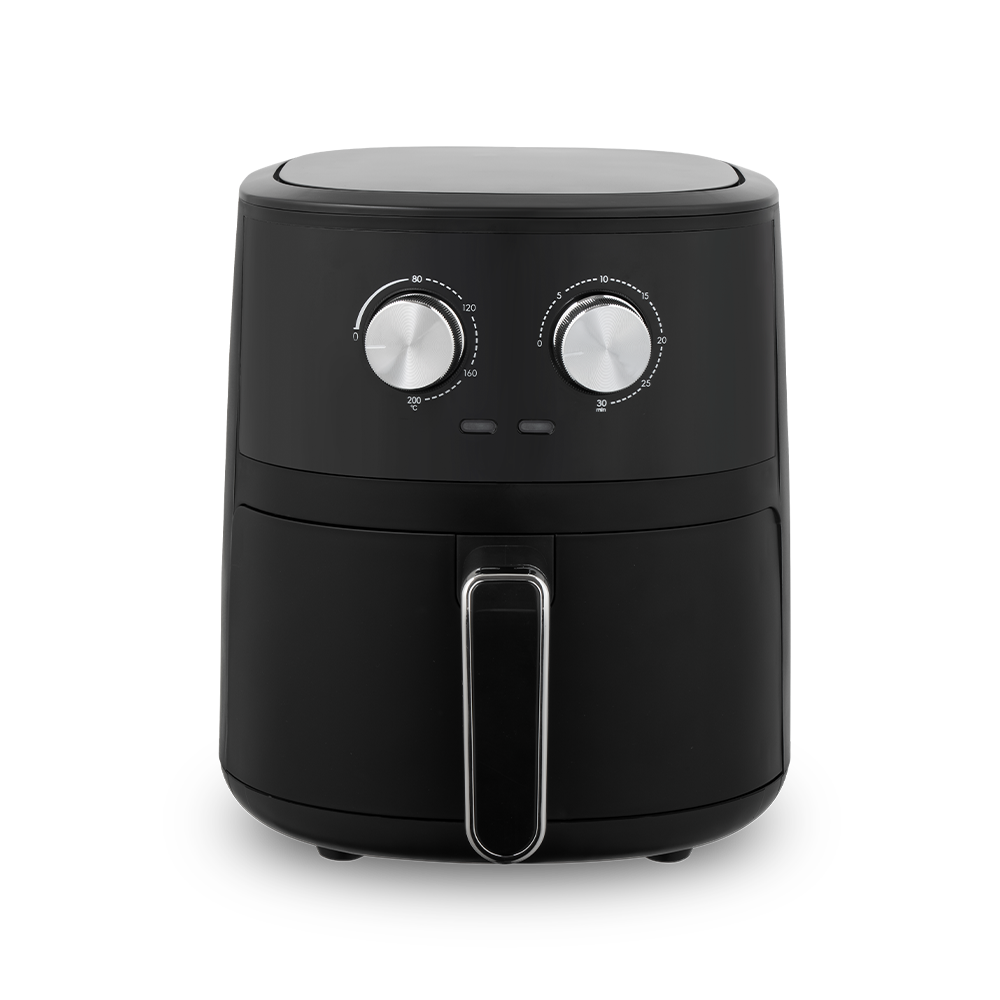
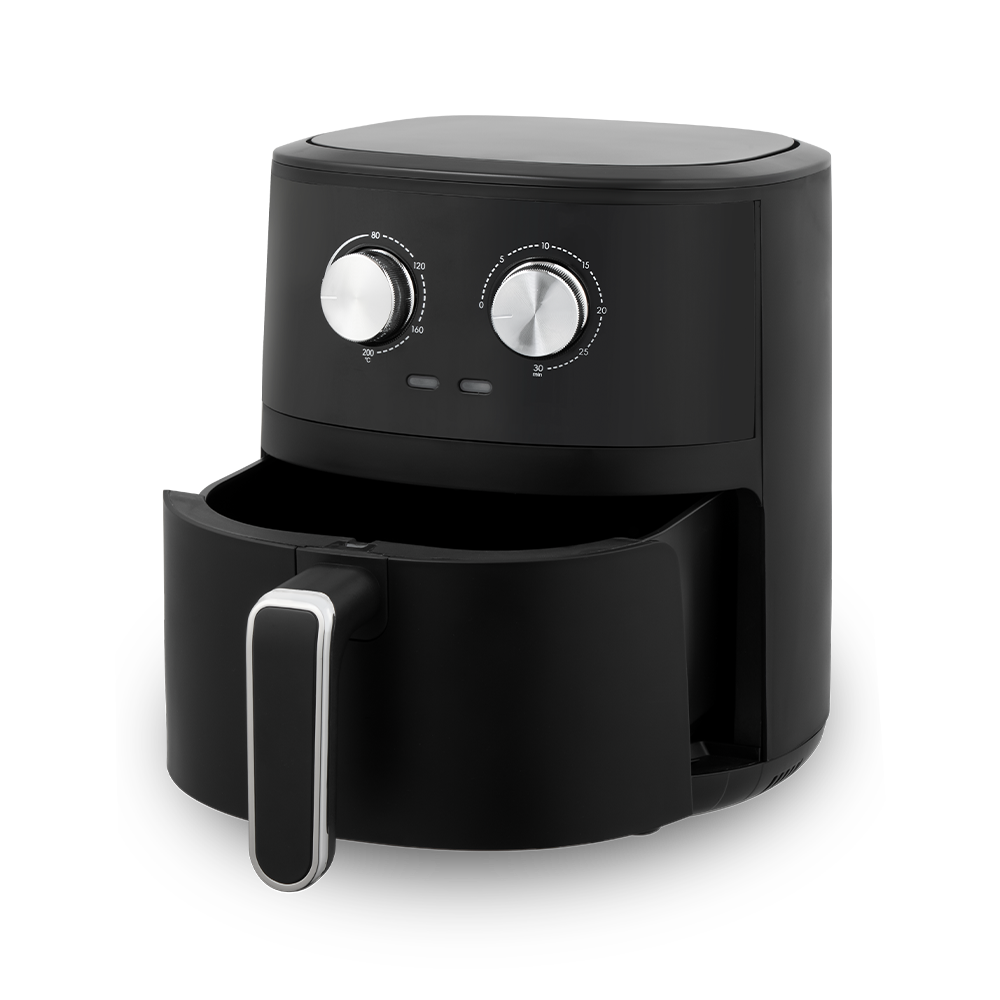
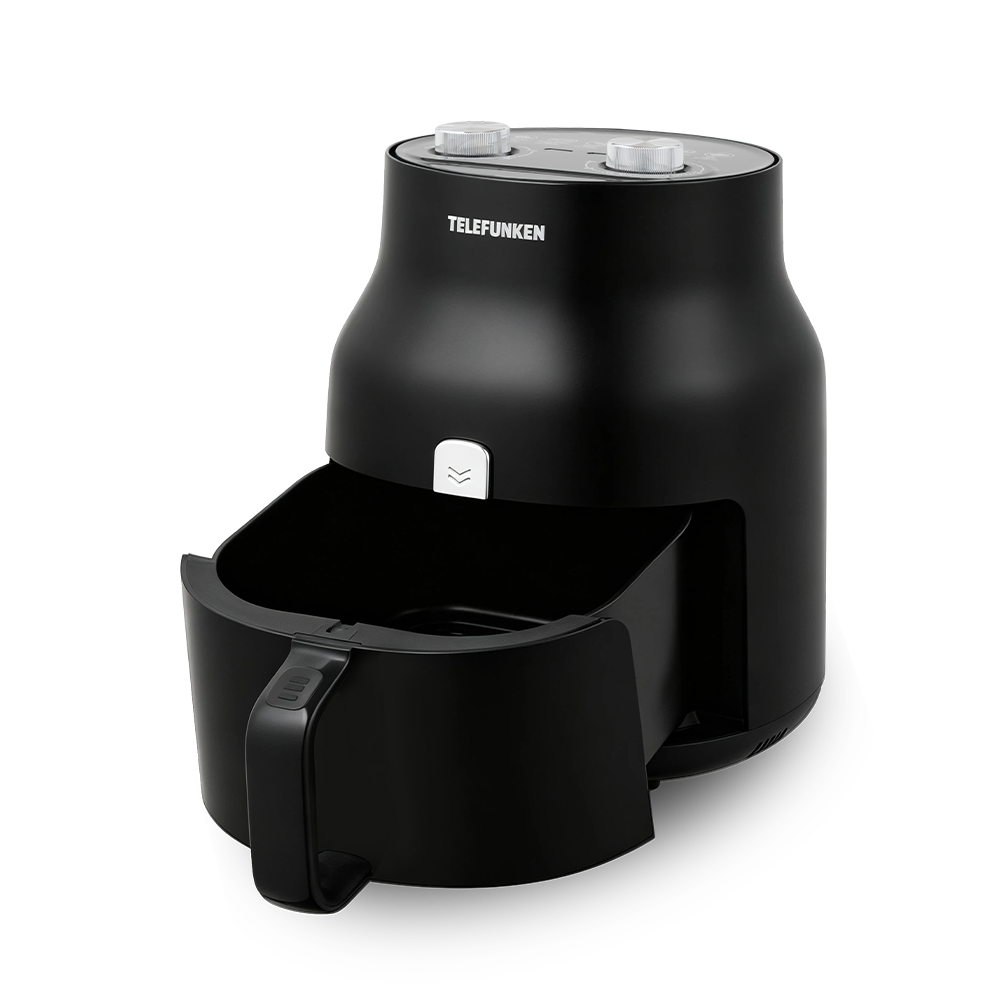
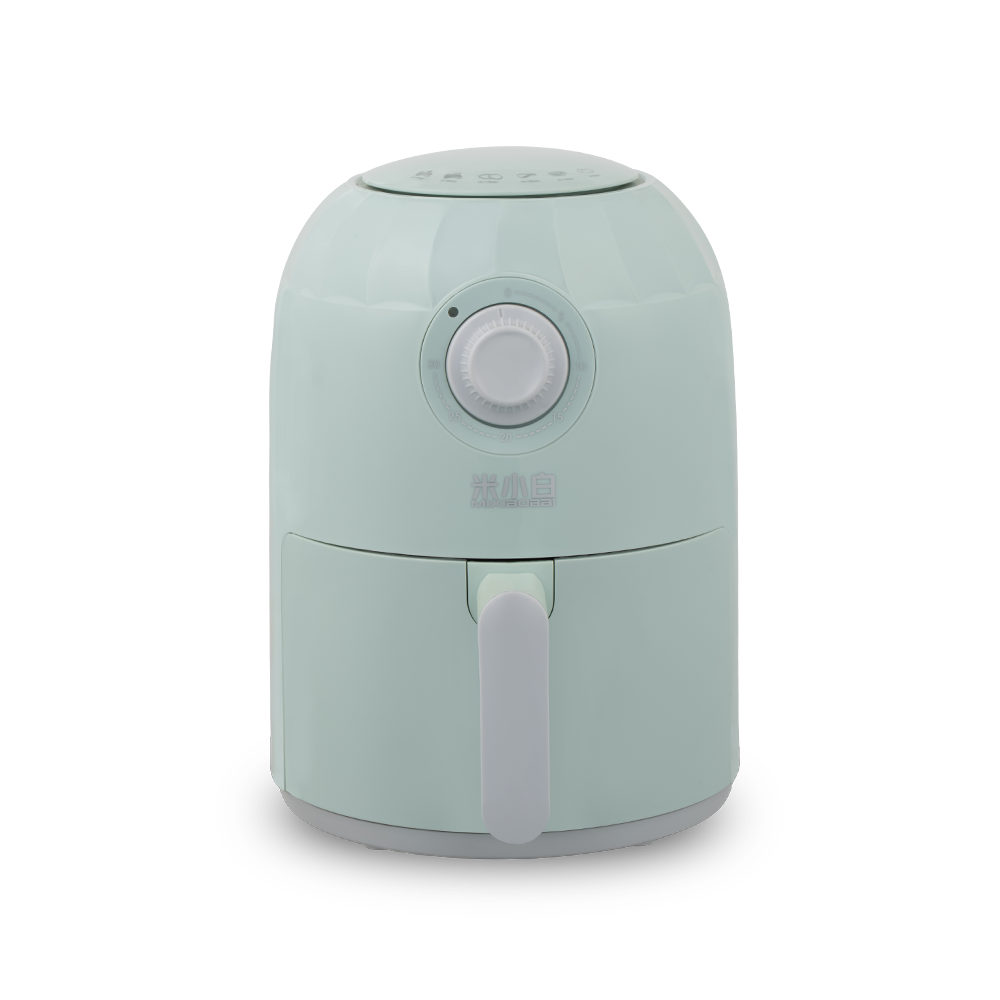
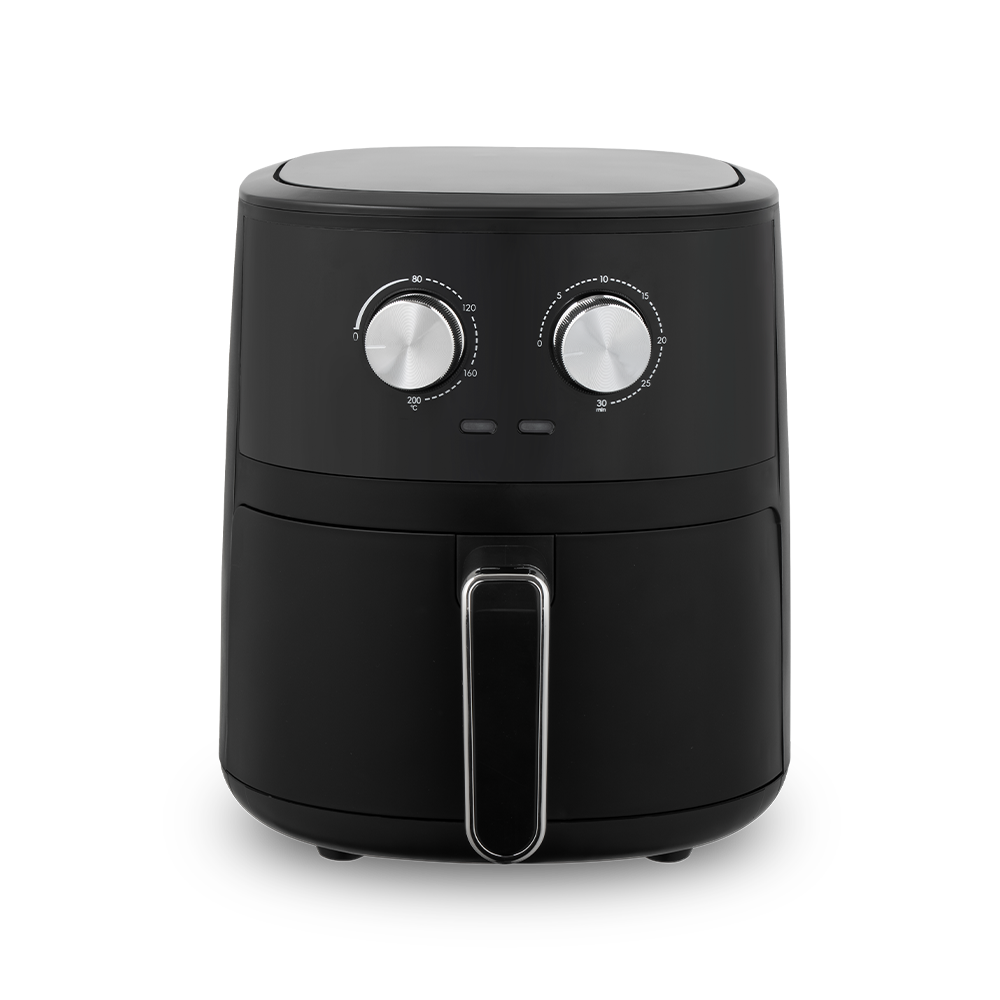
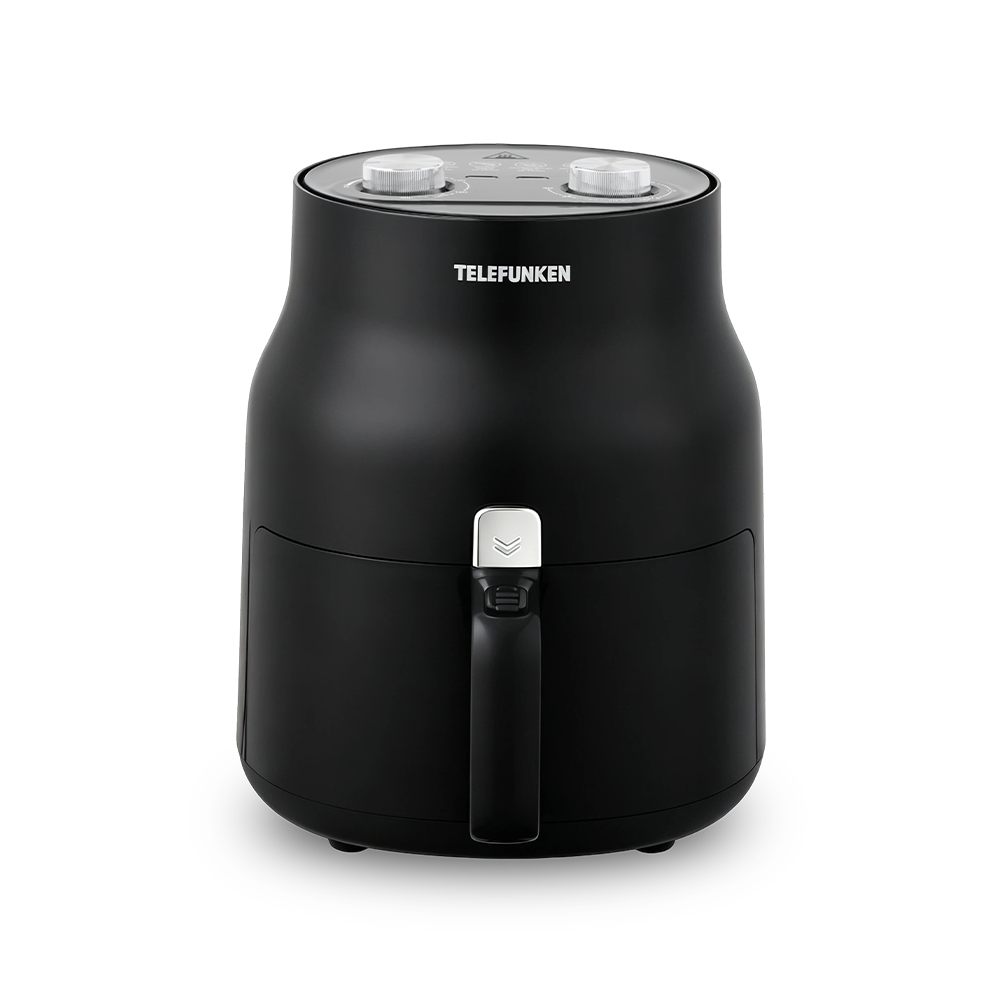
READ MOREManual air fryers represent the foundational mechanical control architecture within the hot-air convection appliance category. These units rely on physical rotary dials connected directly to mechanical thermostats and spring-wound countdown timers. The user adjusts temperature by turning a dial that physically changes the distance between bimetallic contact plates inside the thermostat, setting a thermal threshold where the circuit opens and closes. Similarly, the timer operates via a mechanical clockwork mechanism that ticks down physically to interrupt electrical supply to the heating coil once expired. This analog design eliminates complex electronic circuit boards, offering high tolerance to input voltage fluctuations and operational simplicity that appeals to cost-conscious consumers and basic culinary applications.
| Control Category | Manual Air Fryer | Electric Air Fryer | Digital Air Fryer |
|---|---|---|---|
| User Interface Type | Dual Rotary Mechanical Dials | Knobs / Push Buttons with LED Indicators | Capacitive Touchscreen / Segment LCD Display |
| Timer Mechanism | Spring-Wound Mechanical Clockwork | Electronic Digital Timer Module | Microcontroller Integrated Circuit Timer |
| Temperature Sensing | Bimetallic Thermostatic Strip | NTC Thermistor / Basic Electronic Sensor | Precision Dual-NTC Thermistor Array |
| Pre-Programmed Functions | None (Manual Time/Temp Selection) | Limited Hardware Preset Options | Multi-Stage Automated Cooking Algorithms |
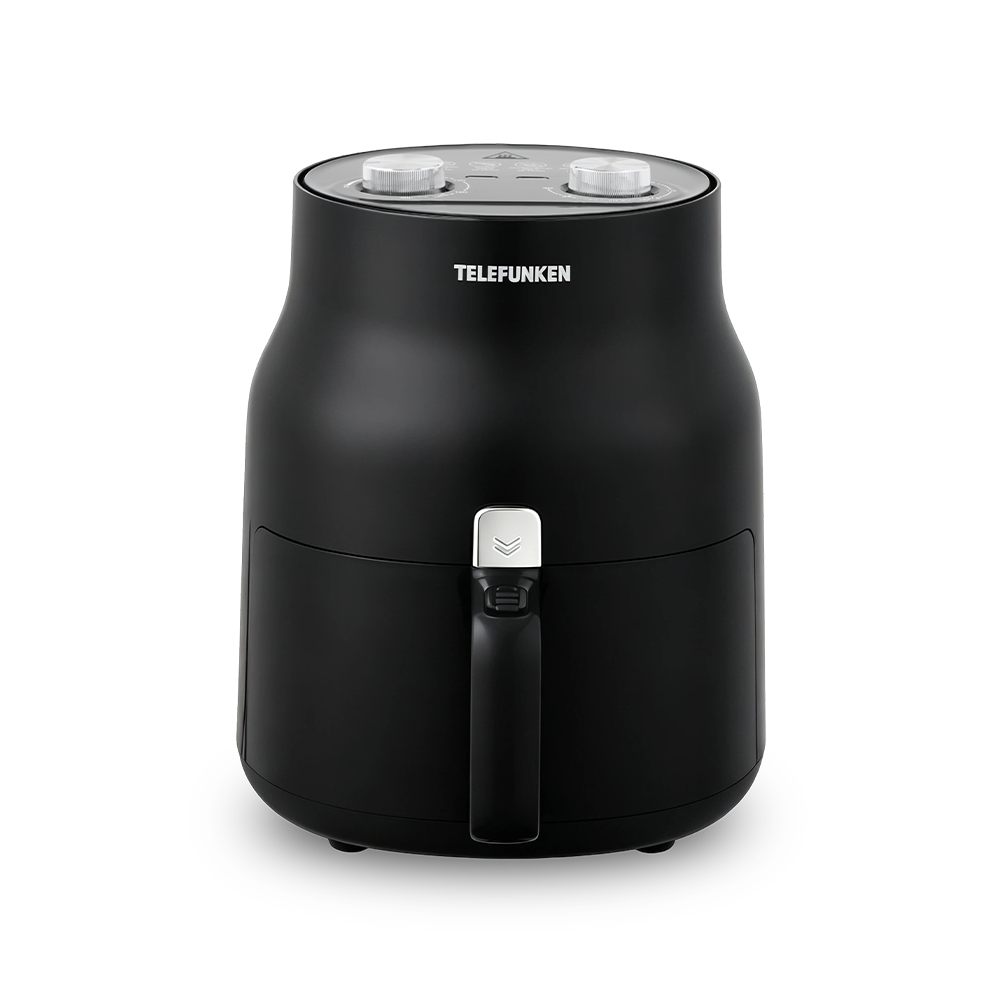
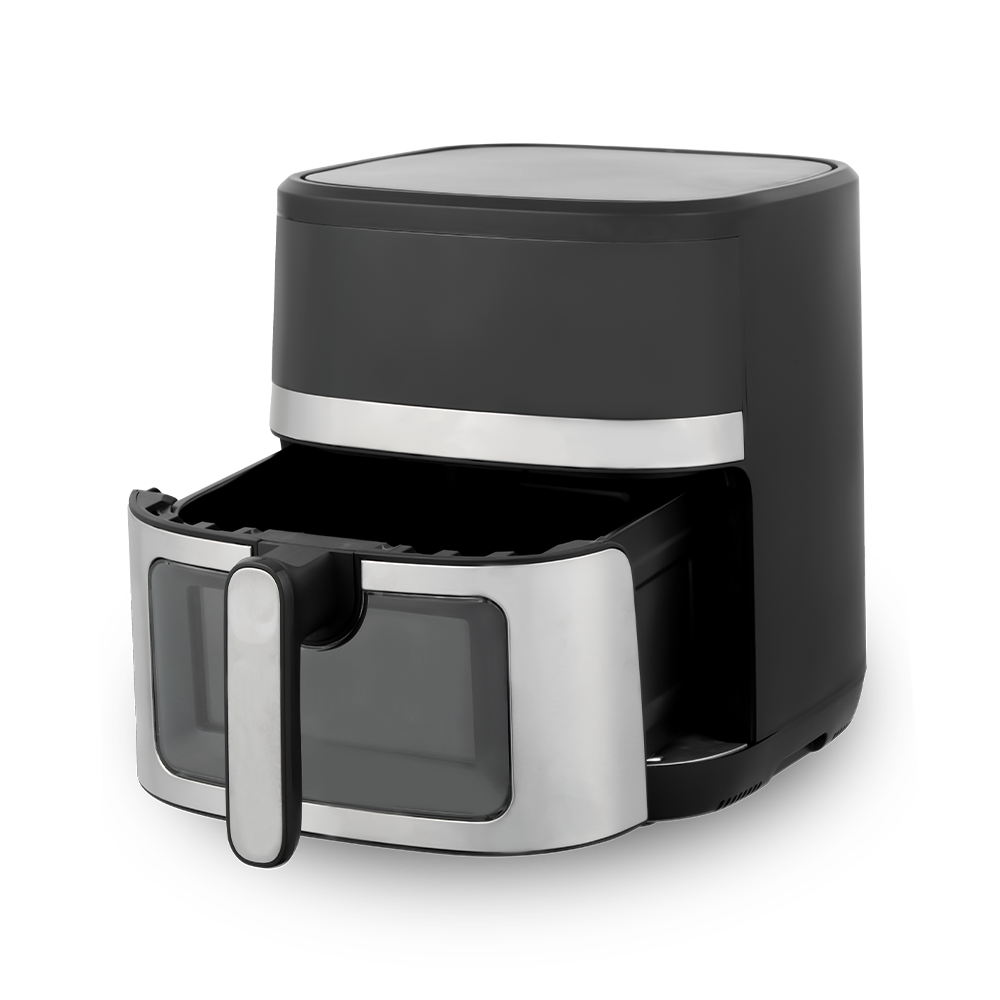
Electric air fryers occupy an intermediate position, combining electronic power management with simplified user interfaces like push buttons or smooth electronic rotary knobs. Unlike purely mechanical units, electric models utilize printed circuit boards to regulate heating cycles rather than relying solely on bimetallic mechanical strips. Temperature measurement frequently incorporates solid-state negative temperature coefficient thermistors that provide more consistent resistance feedback to the circuit board. Engineering teams at Ningbo Magichef Electric Appliance Co.,Ltd. design electric air fryer control boards to bridge the gap between rugged mechanical longevity and modern electronic stability, giving users steady thermal regulation without the higher component costs associated with full touchscreens.
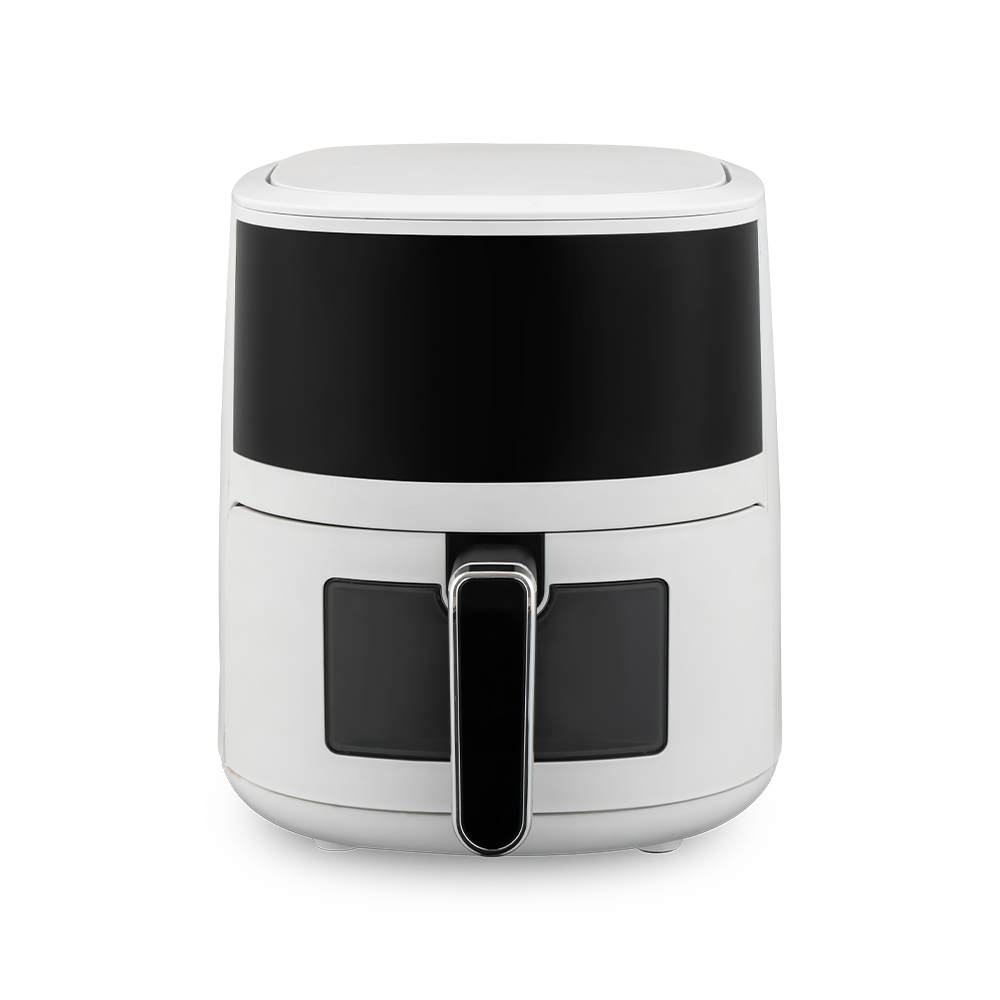
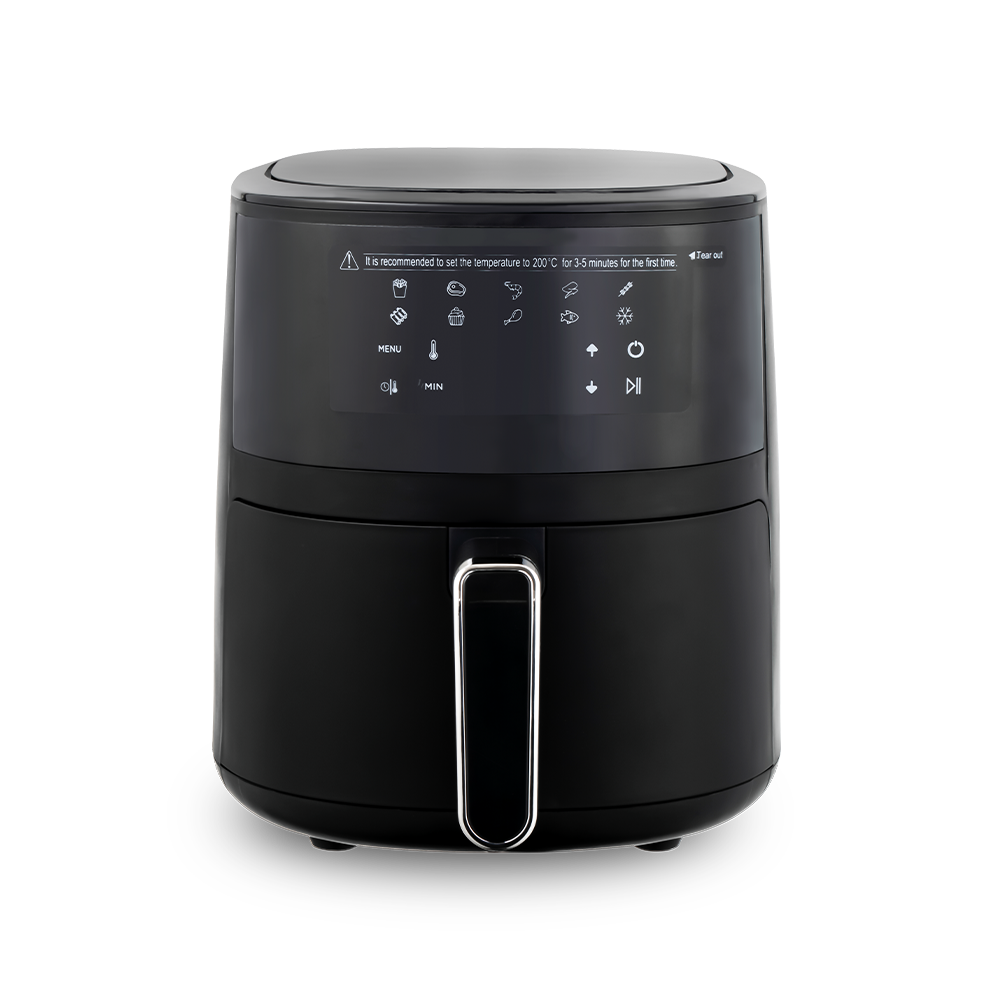
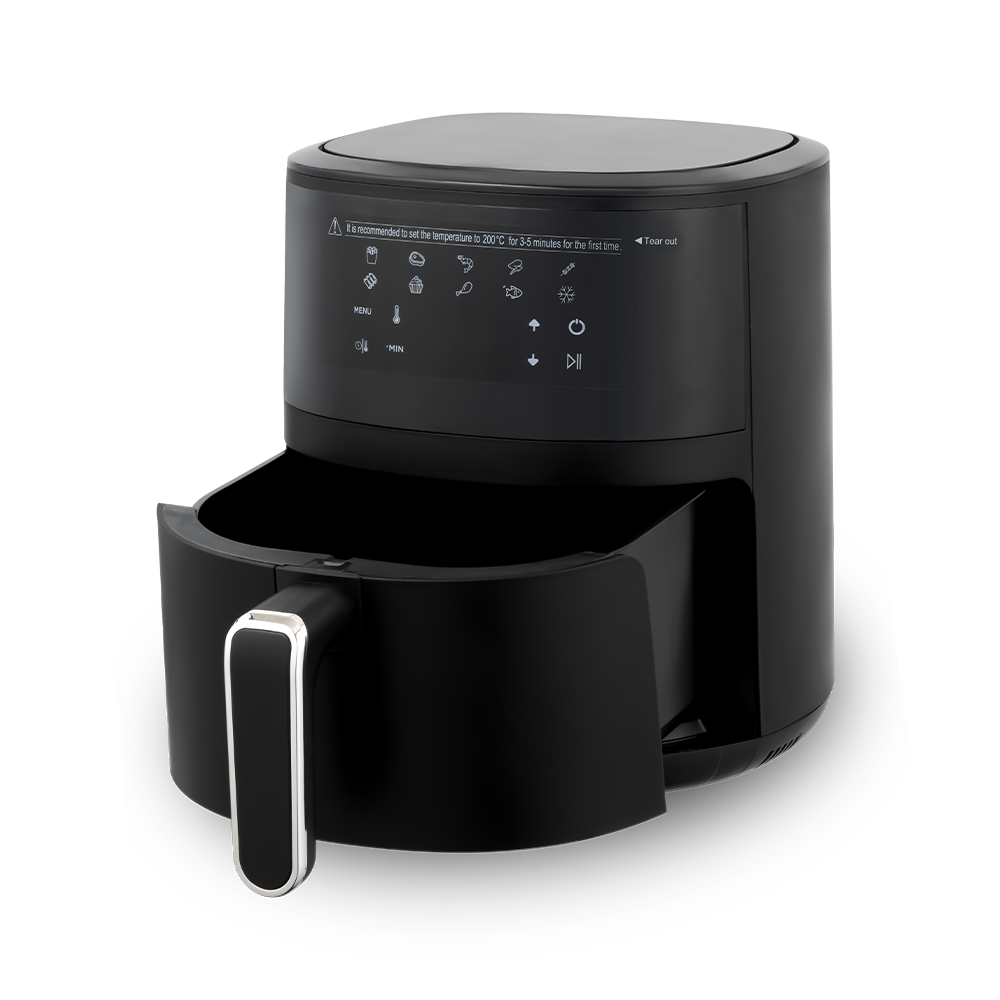
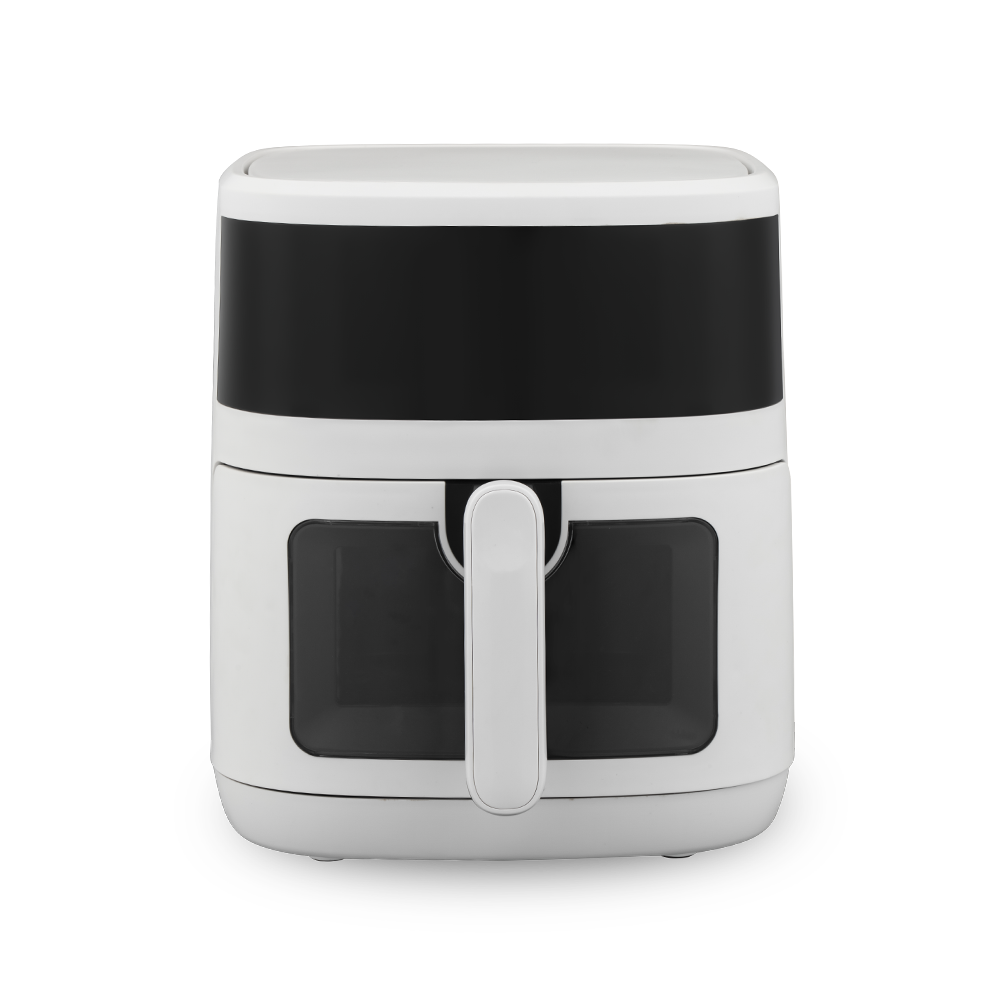
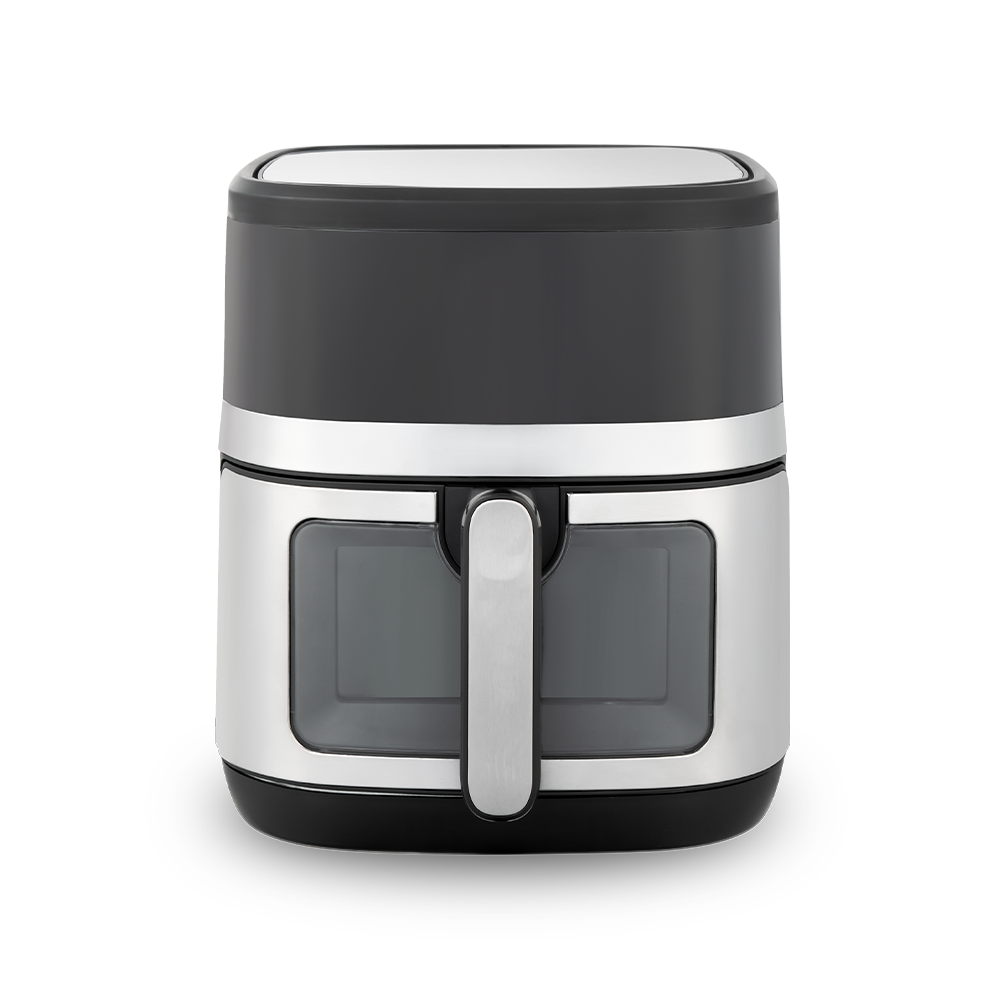
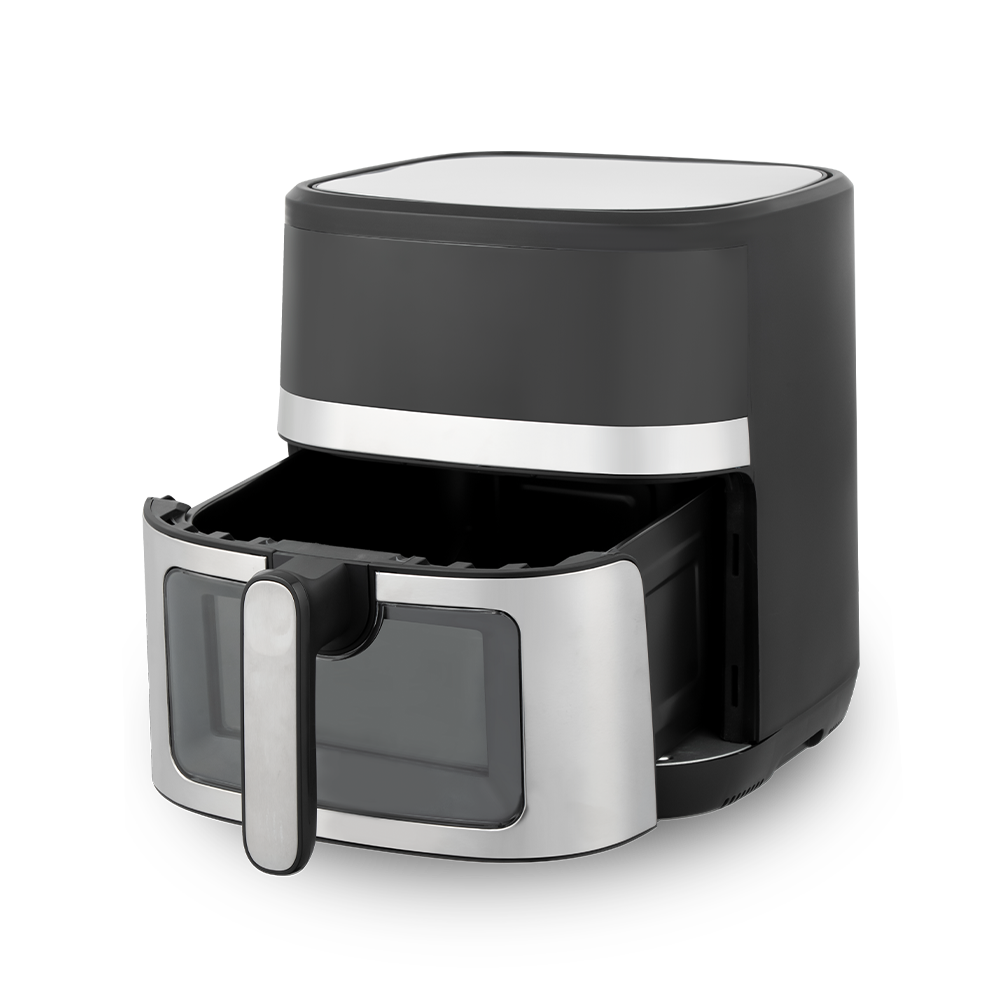
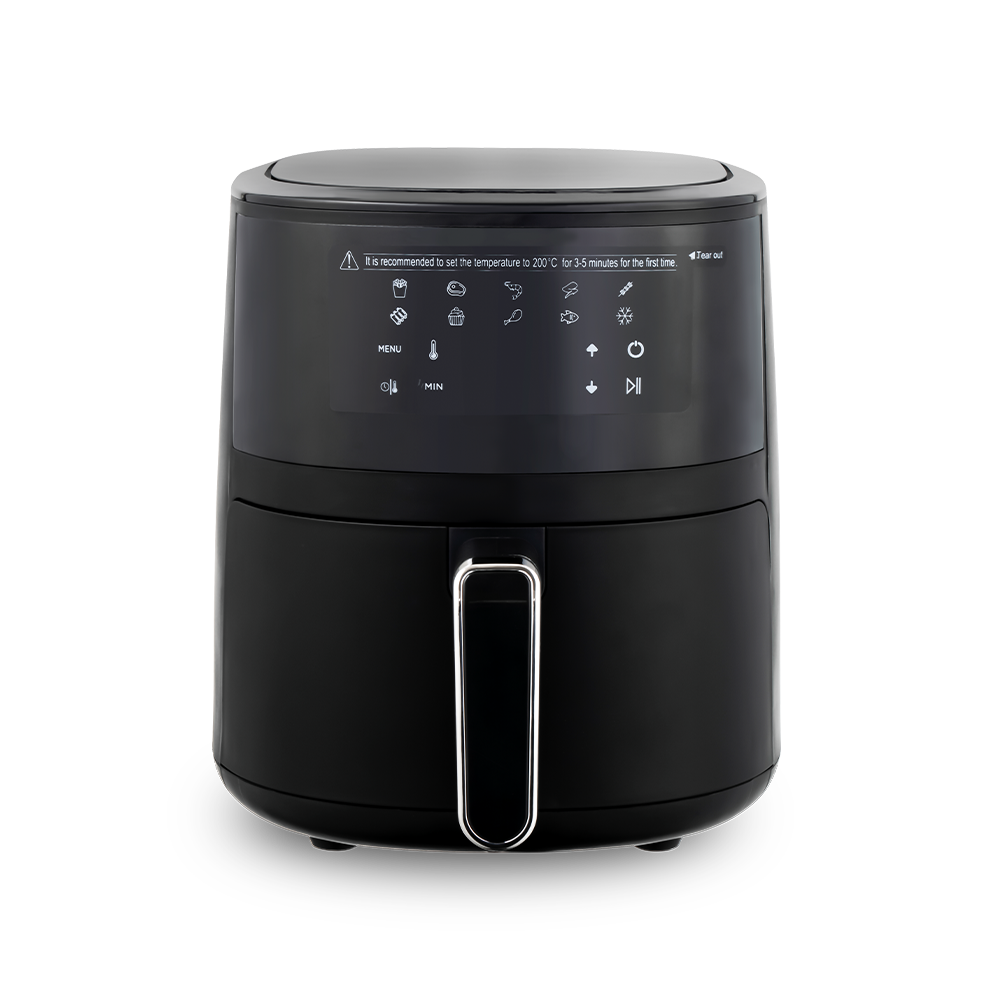
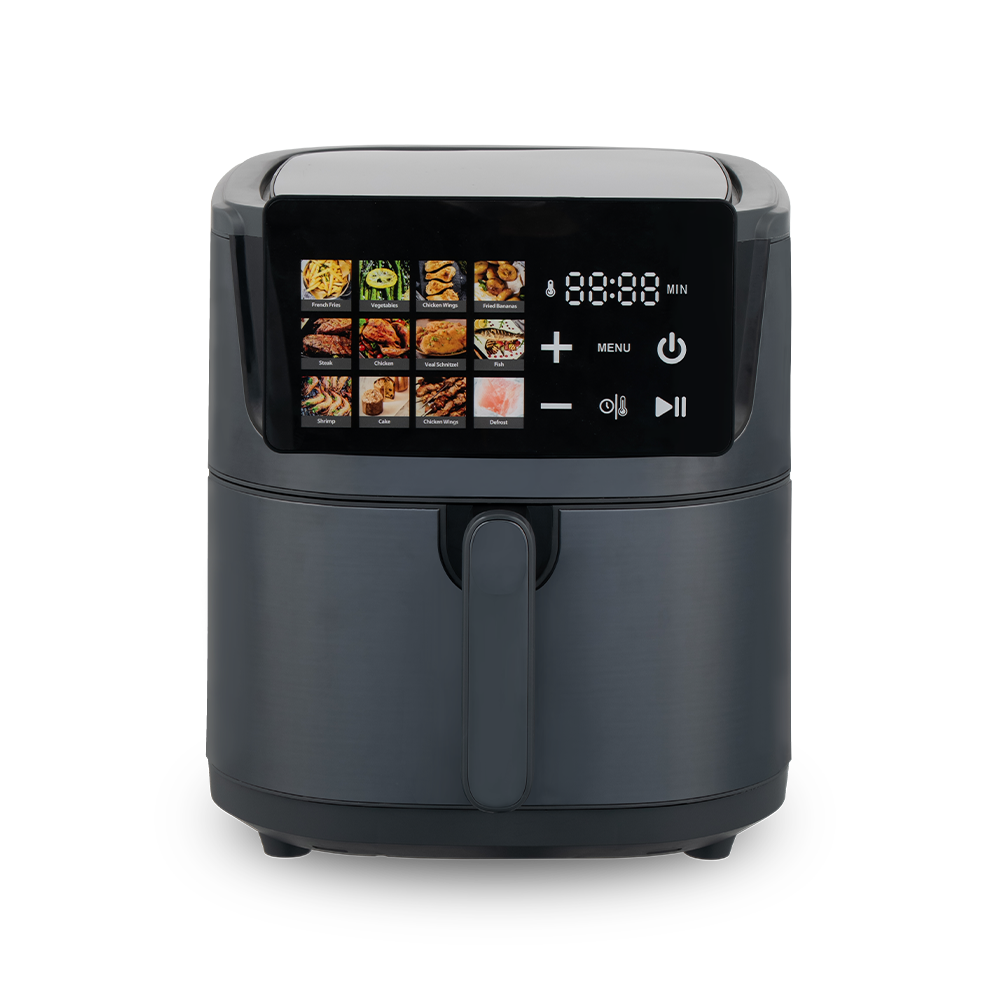
Digital air fryers represent the high-tier segment of small convection appliances, featuring microcontrollers, capacitive touch interfaces, and clear digital displays. In these systems, user inputs are converted into digital signals processed by firmware flashed onto the main control unit. Instead of estimation via analog markings, digital units allow precise selection of single-degree temperature increments and exact minute-by-minute timer settings. Furthermore, digital air fryers incorporate multi-stage cooking algorithms that adjust fan speeds and heating duty cycles automatically based on user-selected presets for specific food items like frozen fries, poultry, or dehydrated snacks.
| Performance Parameter | Thermal Regulation Accuracy | Interface Durability | Maintenance / Repair Profile |
|---|---|---|---|
| Manual Air Fryer | ±10°C Variance Range | High Resistance to Thermal Moisture | Low Component Density, Mechanical Replacement |
| Electric Air Fryer | ±5°C Variance Range | Moderate Resistance to Mechanical Wear | Modular Circuit Board Replacement |
| Digital Air Fryer | ±1°C to ±2°C Variance Range | High Wear Resistance, Sensitive to Board Moisture | Diagnostic Firmware and PCB Level Servicing |
From an enterprise manufacturing and supply perspective, the choice between manual, electric, and digital platforms depends heavily on target retail demographics and production scalability. Manual models require lower initial investment in software development and circuit tooling, making them efficient for high-volume entry-level market fulfillment. Conversely, digital platforms offer extensive customizability for brand partners seeking product differentiation. Manufacturing facilities operated by Ningbo Magichef Electric Appliance Co.,Ltd. utilize modular internal chassis designs that allow the same basic heating chamber and fan assembly to be fitted with either mechanical dial housings or digital touch modules based on OEM specifications.
While all three categories share similar heating elements—typically tubular sheathed stainless steel coils paired with high-velocity convection fans—their energy management behavior varies based on control precision. Manual units exhibit wider temperature swings around the set target due to the slow mechanical response of bimetallic elements, leading to longer heater power-on cycles. Digital units, utilizing active feedback loops from thermistors managed by microcontrollers, cycle heating element power rapidly to hold chamber temperatures steady. Production testing conducted by Ningbo Magichef Electric Appliance Co.,Ltd. indicates that active microprocessor cycling in digital platforms reduces unnecessary power draw over extended cooking durations while maintaining consistent heat transfer throughout the basket.
A: Manual air fryers rely on mechanical bimetallic thermostat strips that physically expand and contract to open or close the electrical heating circuit. In contrast, digital air fryers utilize high-precision NTC thermistors that continuously convert temperature shifts into electrical resistance signals, allowing the onboard microprocessor to maintain chamber temperatures within tight tolerances.
Q: Why might commercial OEM clients select manual control platforms over digital touchscreen modules for specific export markets?A: Manual control platforms feature mechanical clockwork timers and rotary thermostats with low component density, offering high resistance to severe line voltage fluctuations and high humidity. Production lines at enterprises like Ningbo Magichef Electric Appliance Co.,Ltd. assemble these rugged mechanical configurations for distributors seeking cost-effective, straightforward appliances with minimal electronic failure points.
Q: What allows electric air fryers with physical knobs to achieve better temperature stability than traditional purely manual models?A: Electric air fryers with electronic dials combine tactile physical controls with internal solid-state printed circuit boards. Instead of using mechanical bimetallic strips, these hybrid units route signals through thermistors and PCB relays, reducing temperature overshoot and providing steady thermal regulation during long cooking cycles.
Q: How does active microprocessor power management in digital air fryers impact overall energy usage compared to mechanical units?A: Microprocessor-controlled digital platforms receive real-time temperature feedback and cycle the heating element on and off rapidly to hold target heat levels. This rapid duty-cycle modulation minimizes energy waste from prolonged over-heating phases, leading to more efficient power usage over extended operation compared to the wider temperature swings seen in mechanical dial systems.
Q: Can the same internal heating and airflow chassis be adapted across manual, electric, and digital product lines?A: Yes, modular chassis design allows the same heating coil, fan motor, and cooking chamber assembly to serve as a universal core platform. Engineering teams at Ningbo Magichef Electric Appliance Co.,Ltd. integrate this shared internal housing with interchangeable top panels, enabling flexible customization across mechanical rotary dials, electronic push-buttons, or capacitive digital touchscreens according to client requirements.




 English
 русский