Ningbo Magichef Electric Appliance Co.,Ltd.
A cook opens the air fryer drawer at minute 14, checks the wings, and closes it again. That single peek costs heat, time, and sometimes crispness. A visible air fryer with a window or glass basket solves that specific problem: you can judge color and movement without breaking the cooking cycle. For most home kitchens,...
READ MOREMagichef Brings New Air Fryers to the Canton Fair Visit us October 15–19, 2026 Booth 4.1A22 Ningbo, China – Ningbo Magichef Electric Appliance Co., Ltd. announced that it will take part in the 140th China Import and Export Fair (Canton Fair), held October 15–19, 2026. At Booth 4.1A22, the company will present its l...
READ MOREA two-year-old air fryer sits on the kitchen counter. The fan spins, the heating element still produces intense heat, and the food comes out crisp, but the touchscreen is dark. The control board failed, and the repair quote is nearly the price of a new unit. That is the most common failure mode among digital air fryer...
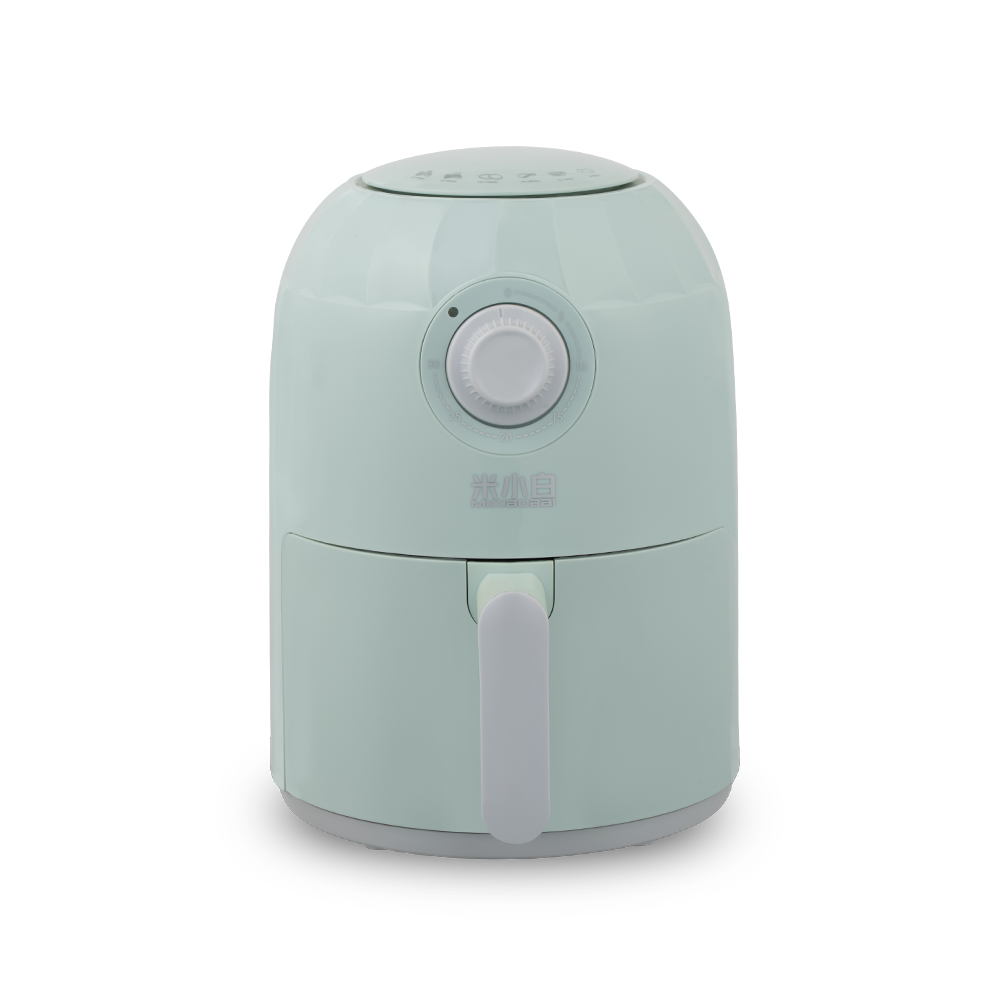
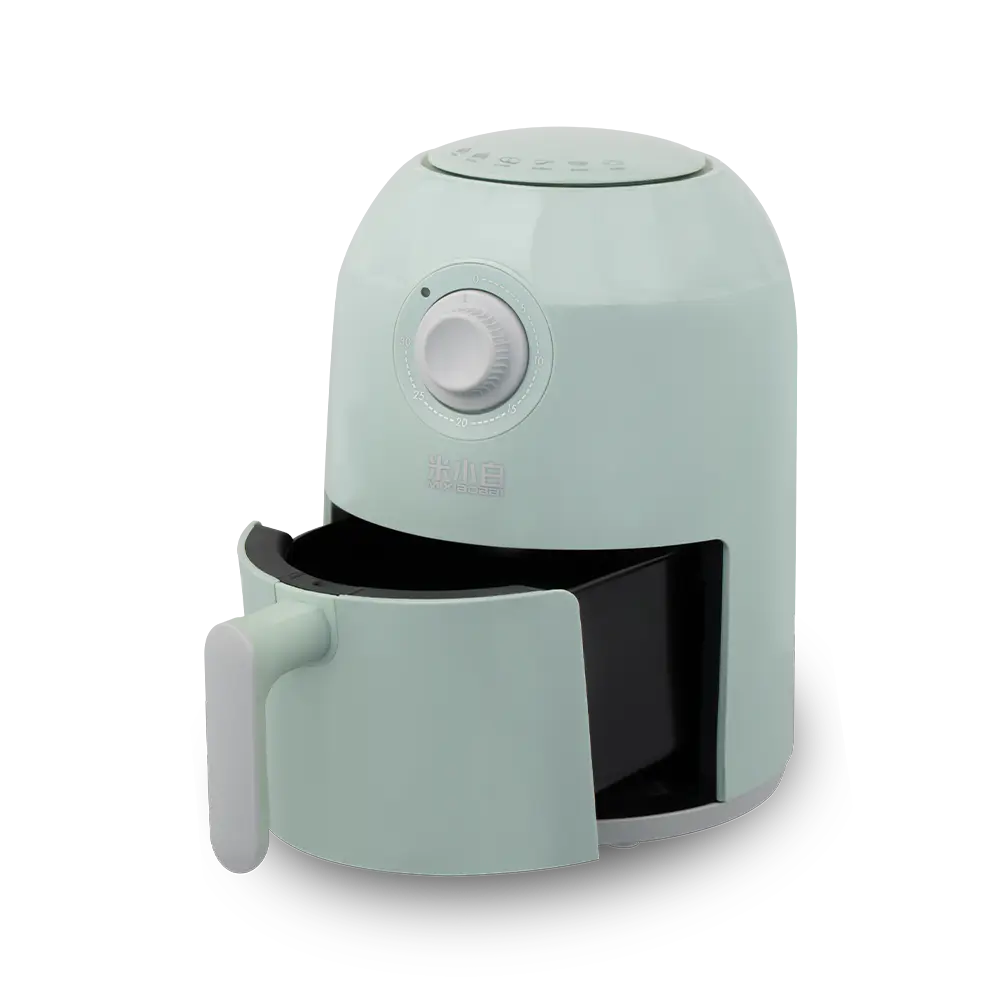
READ MOREThe daily maintenance cycle of mini air fryers is heavily dictated by the physical dimensions and surface area of their internal cooking assemblies. With basket capacities generally under two liters, these compact appliances present a significantly reduced footprint compared to standard countertop ovens. The smaller interior metal surfaces accumulate less total grease residue per cooking session, which reduces the effort required during routine hand washing. Furthermore, the compact basket and crisper plate easily fit into standard residential sinks without obstructing the faucet or taking up excessive drying rack space. This structural compactness simplifies the immediate post-meal cleanup workflow, making daily sanitization straightforward for end users.
Cleaning efficiency relies fundamentally on the hydrophobic and oleophobic properties of the internal food-contact coatings. Modern mini air fryers utilize food-grade PTFE or ceramic non-stick formulations applied over aluminum or cold-rolled steel substrates. These multi-layer coatings reduce the adhesion of caramelized sugars, rendered fats, and crisp baking residues. Manufacturing facilities, such as those operated by Ningbo Magichef Electric Appliance Co.,Ltd., apply precise curing temperatures during the coating process to ensure chemical stability and wear resistance against non-abrasive sponges. Because food particles detach with light water pressure and mild detergents, users can complete routine washing without harsh scrubbing agents that might degrade the protective layer over time.
| Cleaning Parameter | Hand Washing Method | Dishwasher Cycle Compatibility |
|---|---|---|
| Water Temperature | 30°C to 45°C Warm Water | Standard Eco Cycle (Below 65°C) |
| Recommended Detergent | Neutral Liquid Dish Soap | Non-Corrosive Powder or Gel |
| Mechanical Action | Soft Microfiber or Sponge | Fluid Spray Impact |
| Coating Wear Rate | Low Mechanical Abrasion | Moderate Chemical Exposure Risk |
The structural approach to separating food from drained fats plays a key role in ease of maintenance. Many mini air fryers replace bulky two-piece basket mechanisms with a single drawer containing a removable perforated crisper plate. The plate is supported by heat-resistant food-grade silicone bumpers along its edges, which prevent the metal tray from scratching the internal non-stick walls during removal. This design reduces the overall structural weight and eliminates hard-to-reach crevices where oil typically accumulates. Removing the plate allows quick access to the flat bottom of the main drawer, enabling users to wipe away collected lipids with minimal effort.
A frequently overlooked aspect of maintenance is the accumulation of airborne oil droplets on the upper heating coil and fan blades. Because the cooking chamber in a mini air fryer is compact, high-velocity air currents can carry fine grease particles upward toward the heating element. To mitigate long-term carbon buildup, engineering teams at Ningbo Magichef Electric Appliance Co.,Ltd. design integrated stainless steel splatter guards or optimized coil placement above the basket zone. Regular maintenance requires wiping the cooled heating element and surrounding reflector plate with a damp microfiber cloth. Preventing grease build-up on the upper heating assembly maintains proper thermal radiation efficiency and eliminates unpleasant smoke emissions during subsequent uses.
| Appliance Component | Maintenance Frequency | Primary Soil Type | Recommended Sanitization Technique |
|---|---|---|---|
| Non-Stick Drawer | After Every Usage Cycle | Liquefied Fats and Oils | Warm Water Soak and Sponge Wash |
| Silicone Rubber Bumpers | Weekly Inspection | Trapped Food Particles | Manual Removal and Soap Rinse |
| Heating Coil & Reflector | Bi-Weekly or Monthly | Aerosolized Grease Film | Damp Cloth Wipe When Cooled |
| Exterior PP Casing | As Needed Basis | Dust and Fingerprint Marks | Dry or Slightly Damp Cloth Wipe |
Preserving the outer shell and functional air vents of mini air fryers involves simple external wipe-down routines. Outer housing materials are primarily molded from high-impact polypropylene or heat-resistant polymers that resist oil staining and finger smudges. Cleaning the exterior requires only a soft cloth to maintain a smooth aesthetic finish. However, maintaining long-term operational health requires periodic inspection of the air intake and exhaust vents. Dust accumulation along the rear exhaust louvers or base intake slots can restrict airflow, increasing internal operating temperatures. Product development specialists at Ningbo Magichef Electric Appliance Co.,Ltd. recommend gentle vacuuming or brushing along external vent openings to ensure unimpeded air circulation and protect internal electronics from thermal strain.
A: Modern mini air fryers replace complex multi-piece basket assemblies with a single streamlined drawer and a removable perforated crisper plate. Supported by food-grade silicone bumpers along the edges, this layout eliminates tight metal crevices where oil and crumbs typically accumulate, allowing quick rinsing and effortless wiping during daily maintenance.
Q: How can users safely clean the heating coil in a mini air fryer given the restricted space inside the chamber?A: Accessing the upper heating element is straightforward due to the lightweight chassis. Once the unit has completely cooled and been unplugged, the fryer can be tilted backward to expose the coil assembly. A gentle wipe with a damp microfiber cloth removes light grease film, while integrated splatter guards engineered by companies like Ningbo Magichef Electric Appliance Co.,Ltd. prevent direct fat buildup on the heating element during active cooking.
Q: Are the internal coated components of mini air fryers suitable for standard dishwasher cleaning cycles?A: The removable crisper plates and compact drawers feature multi-layer PTFE or ceramic non-stick coatings designed to withstand standard residential dishwasher environments. However, to maximize the operational lifespan of the hydrophobic surface, running gentle eco-cycles under 65°C with mild liquid detergents is recommended over high-temperature heavy-wash settings.
Q: What routine exterior maintenance is necessary to keep the air vents functioning properly on compact air fryers?A: Maintaining exterior performance involves keeping the air intake and rear exhaust louvers free from dust and cooking grease accumulation. Product development teams at Ningbo Magichef Electric Appliance Co.,Ltd. advise wiping the polypropylene outer casing with a dry or slightly damp cloth and periodically using a soft brush along the vent grilles to ensure unimpeded convection airflow.
Q: How do silicone crisper plate bumpers resist degradation from frequent washing and contact with hot grease?A: The edge bumpers fitted on mini air fryer crisper plates are molded from high-purity, heat-resistant silicone formulations. These components maintain their elasticity and structural integrity across high-temperature exposure and repeated soap immersion, protecting the internal non-stick chamber walls from metal-on-metal scratches during tray insertion and removal.





 English
 русский