Ningbo Magichef Electric Appliance Co.,Ltd.
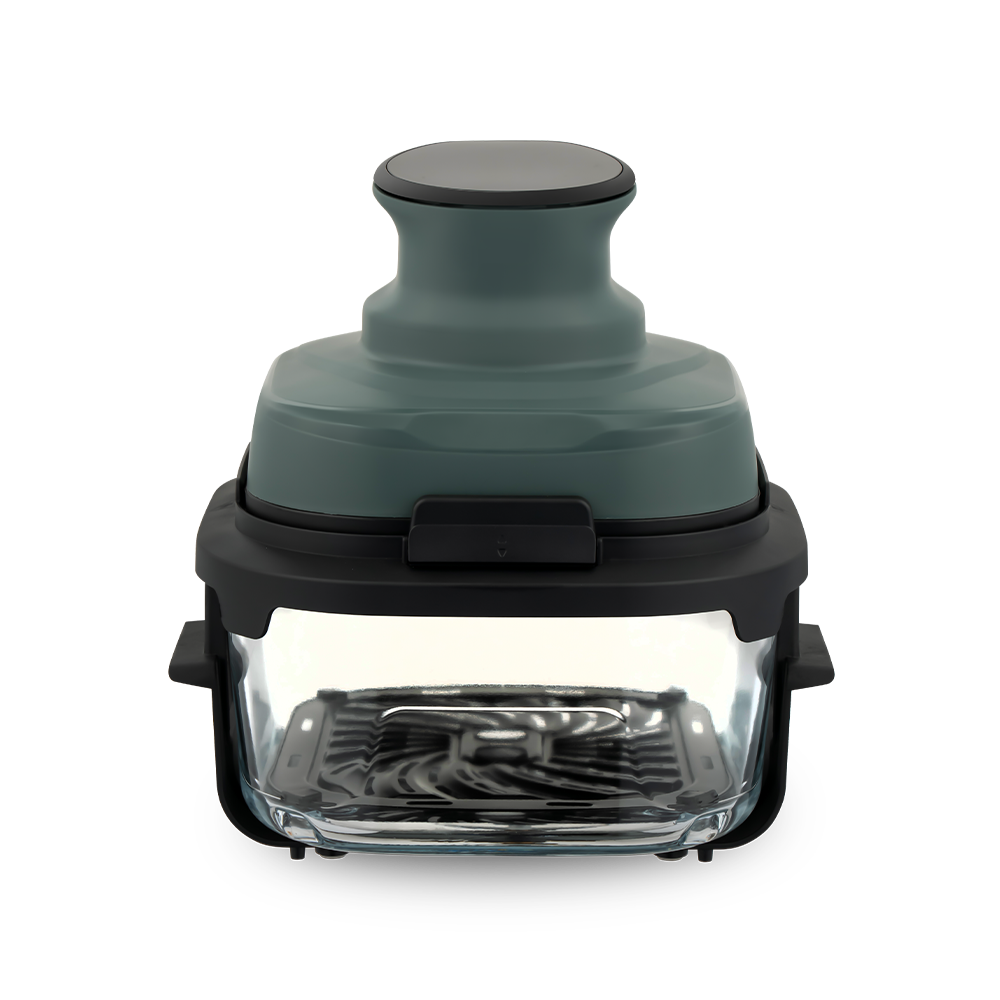
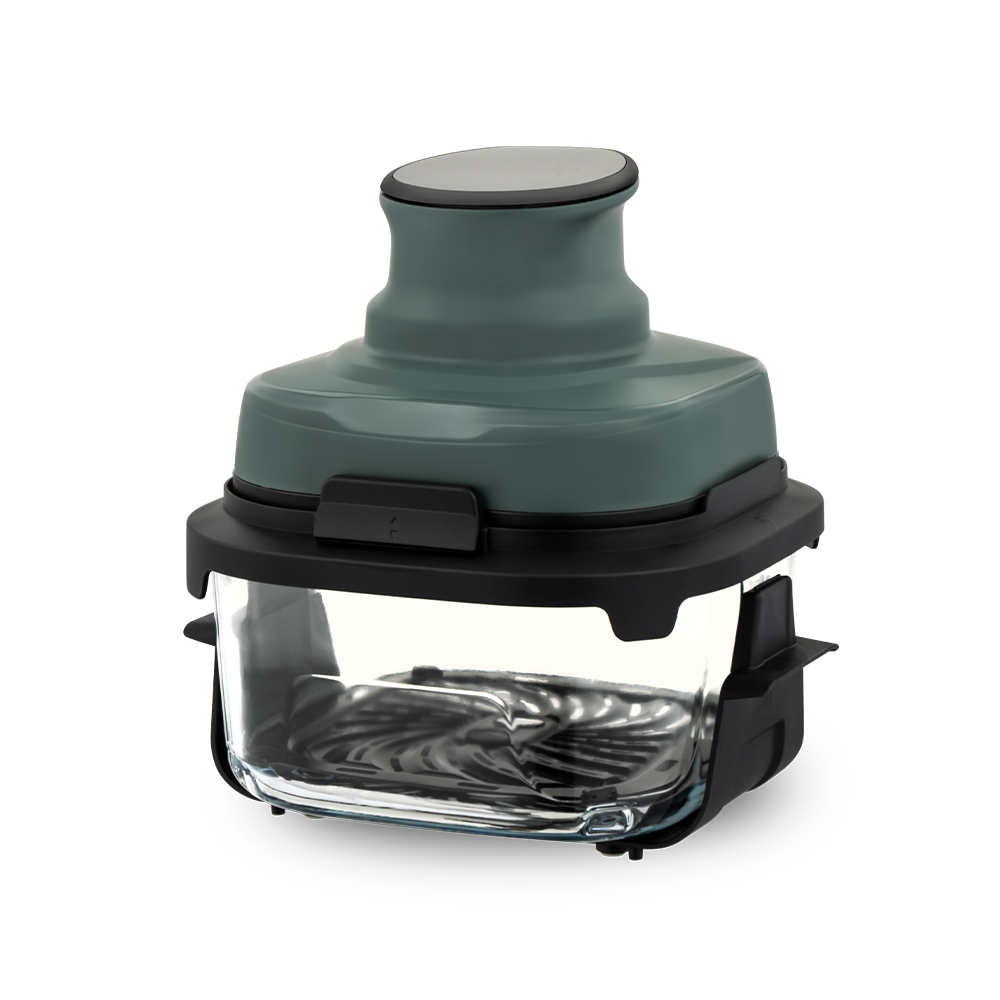
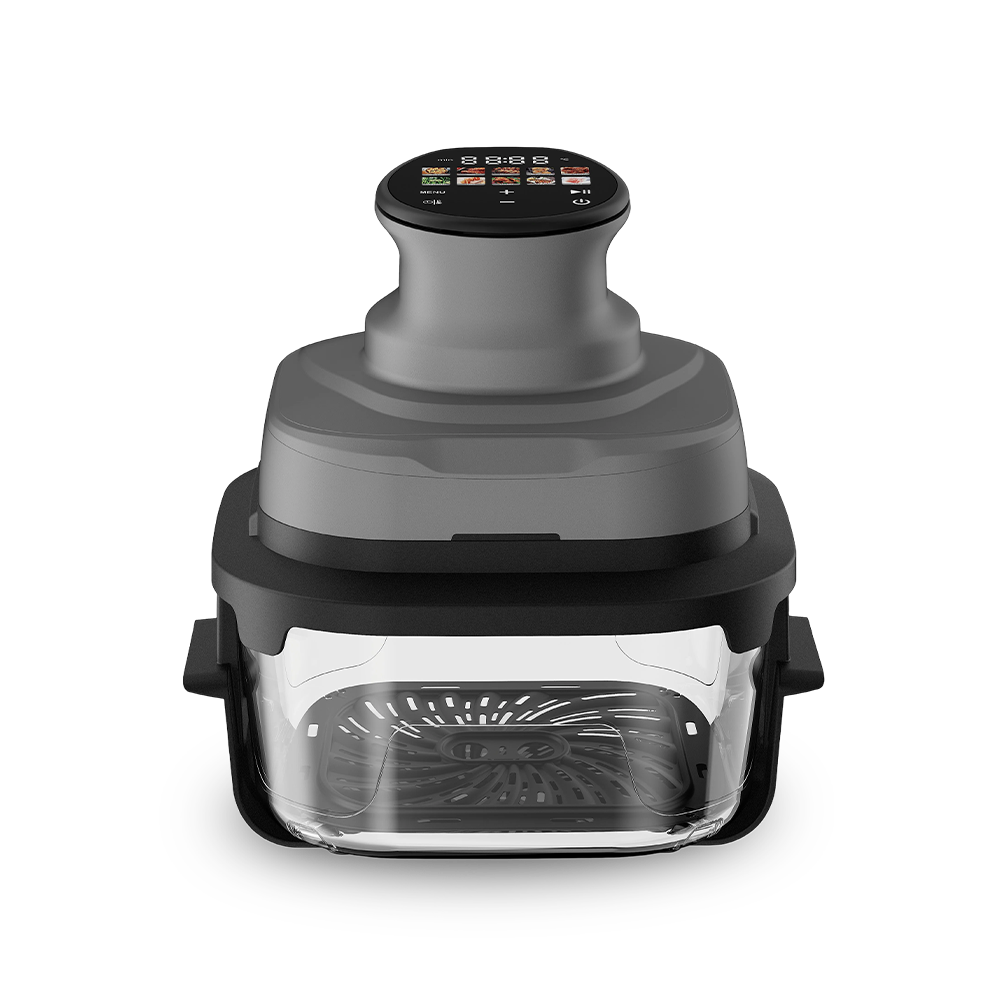
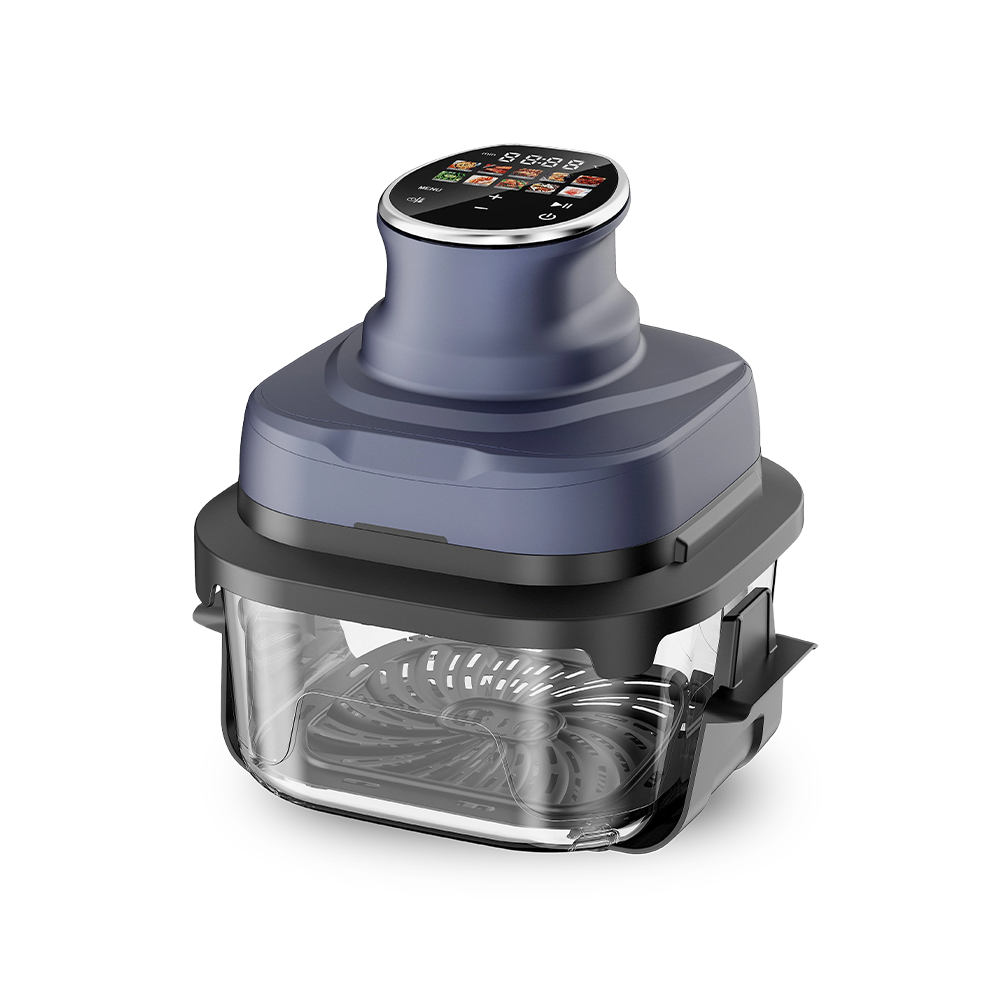
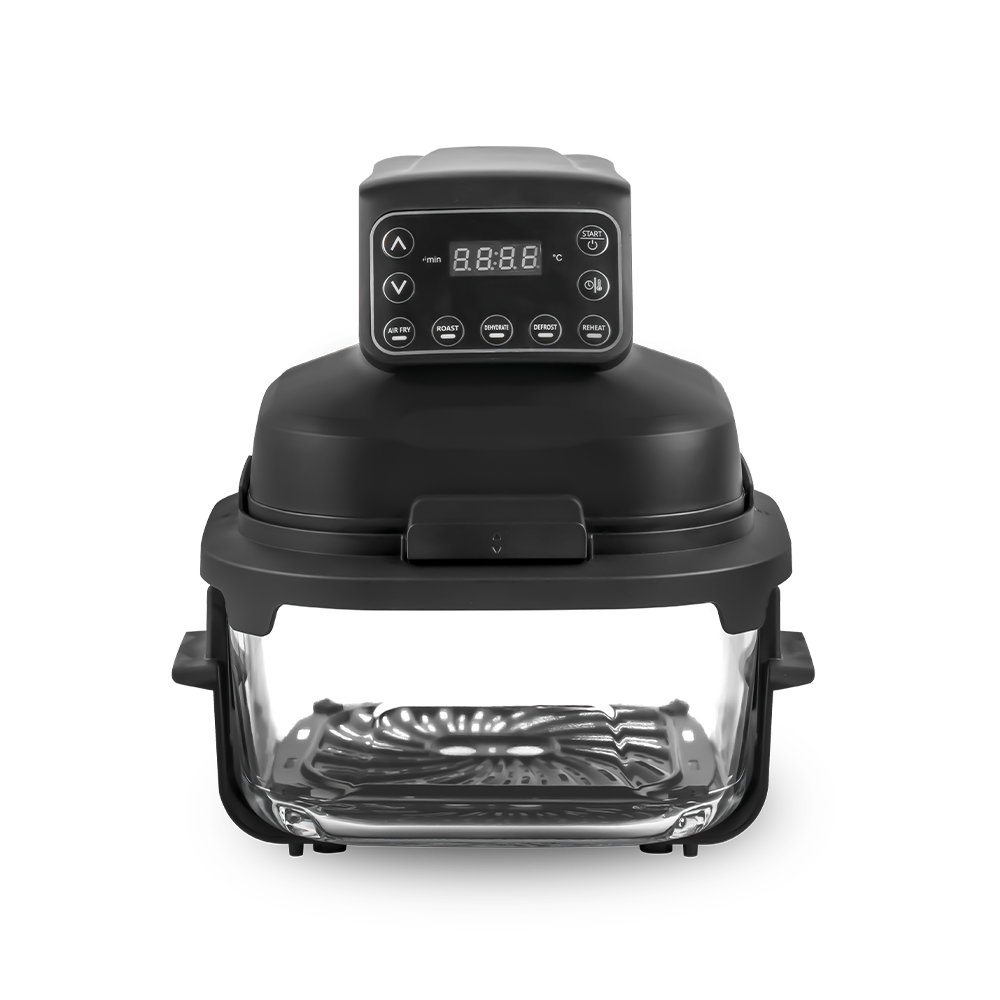
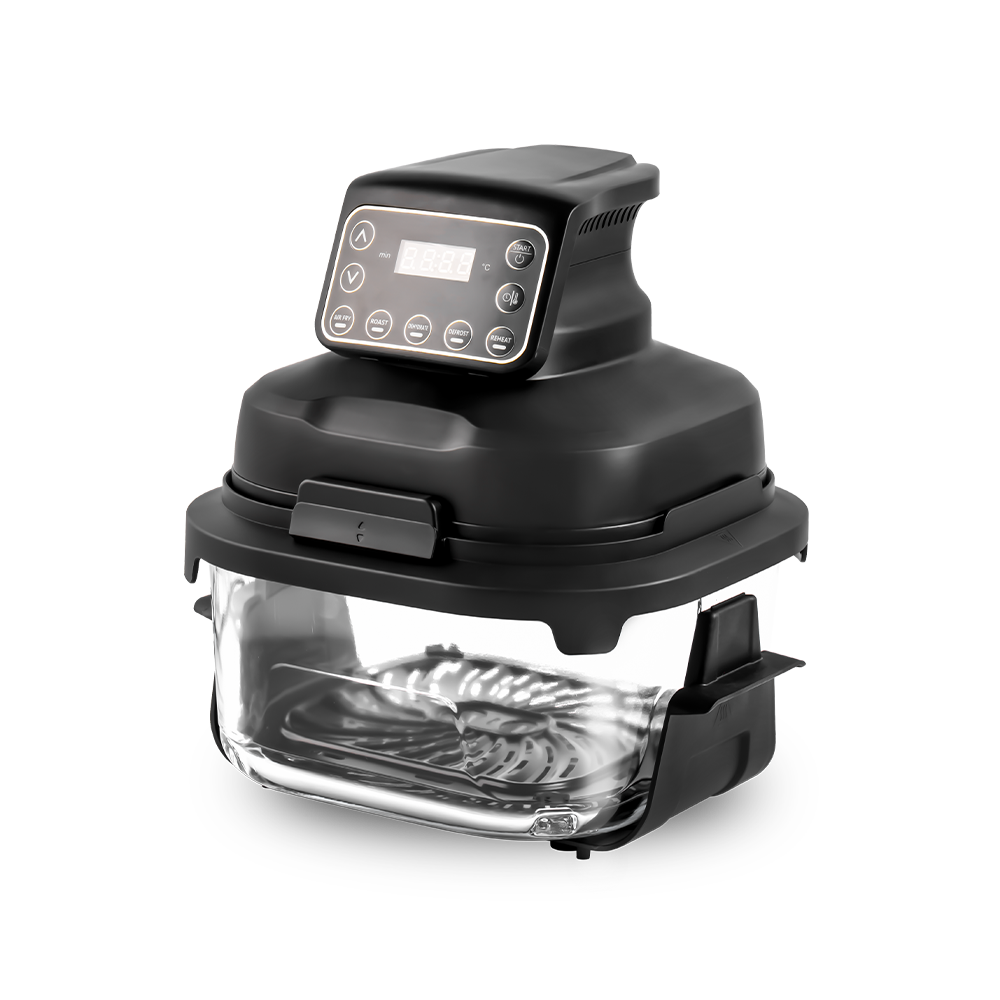
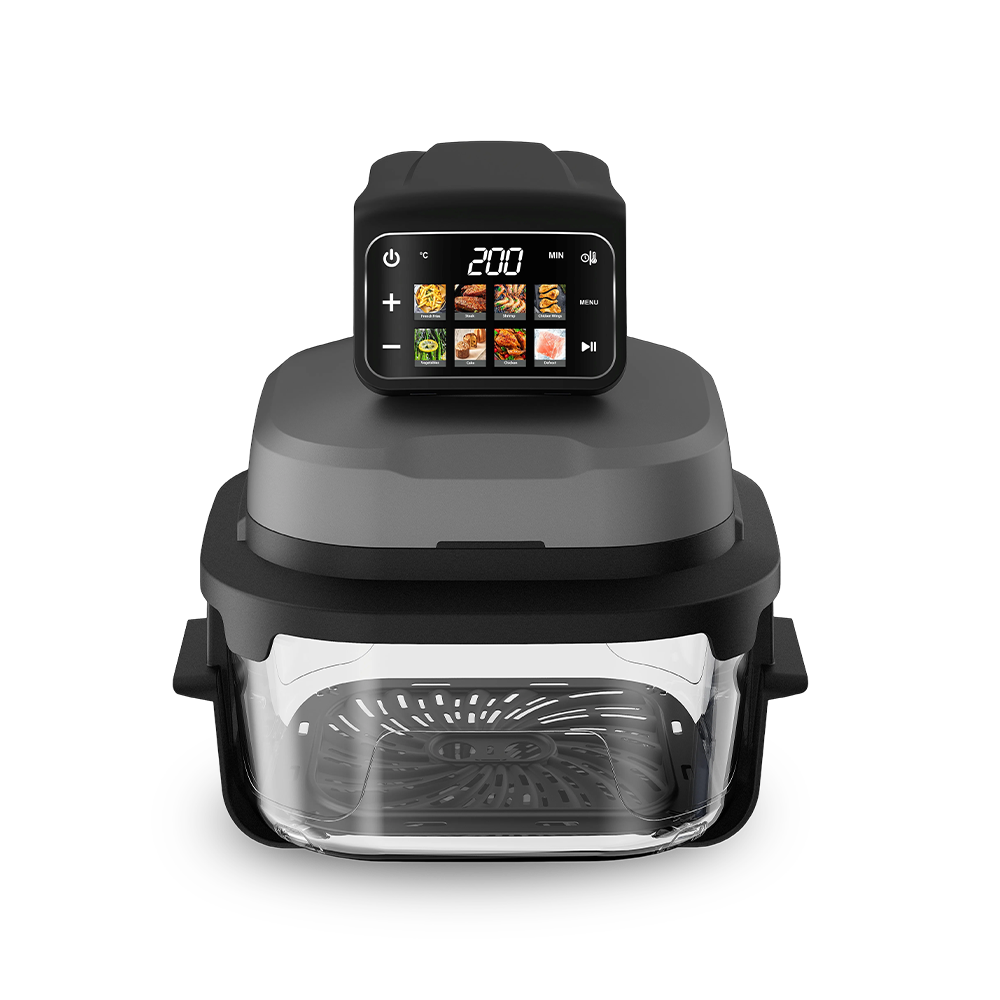
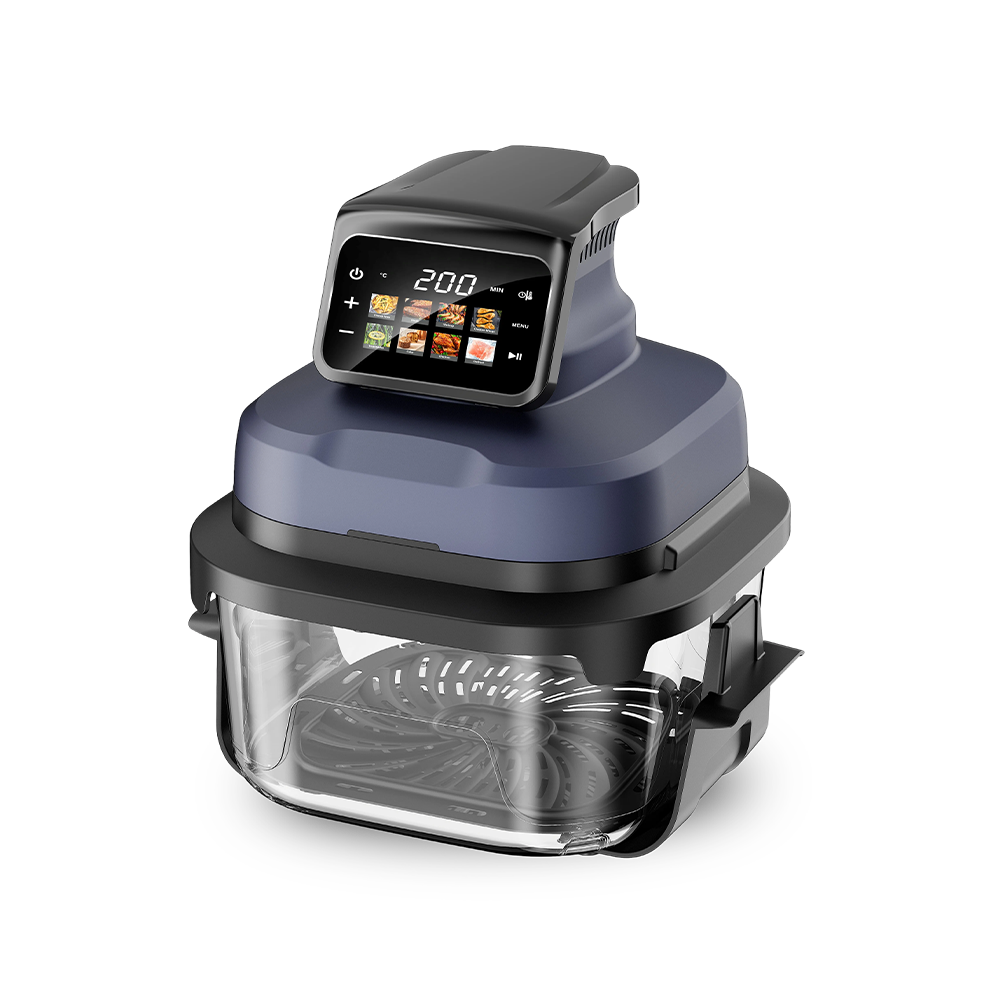
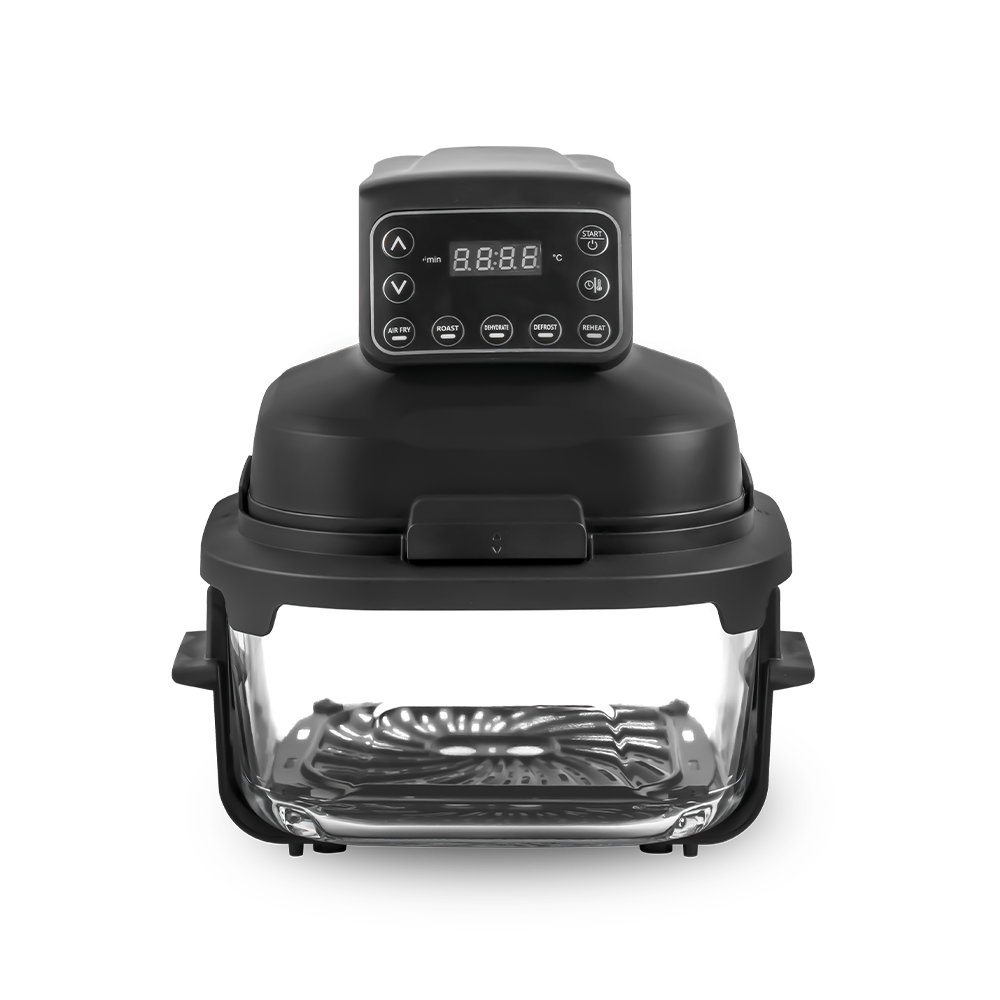
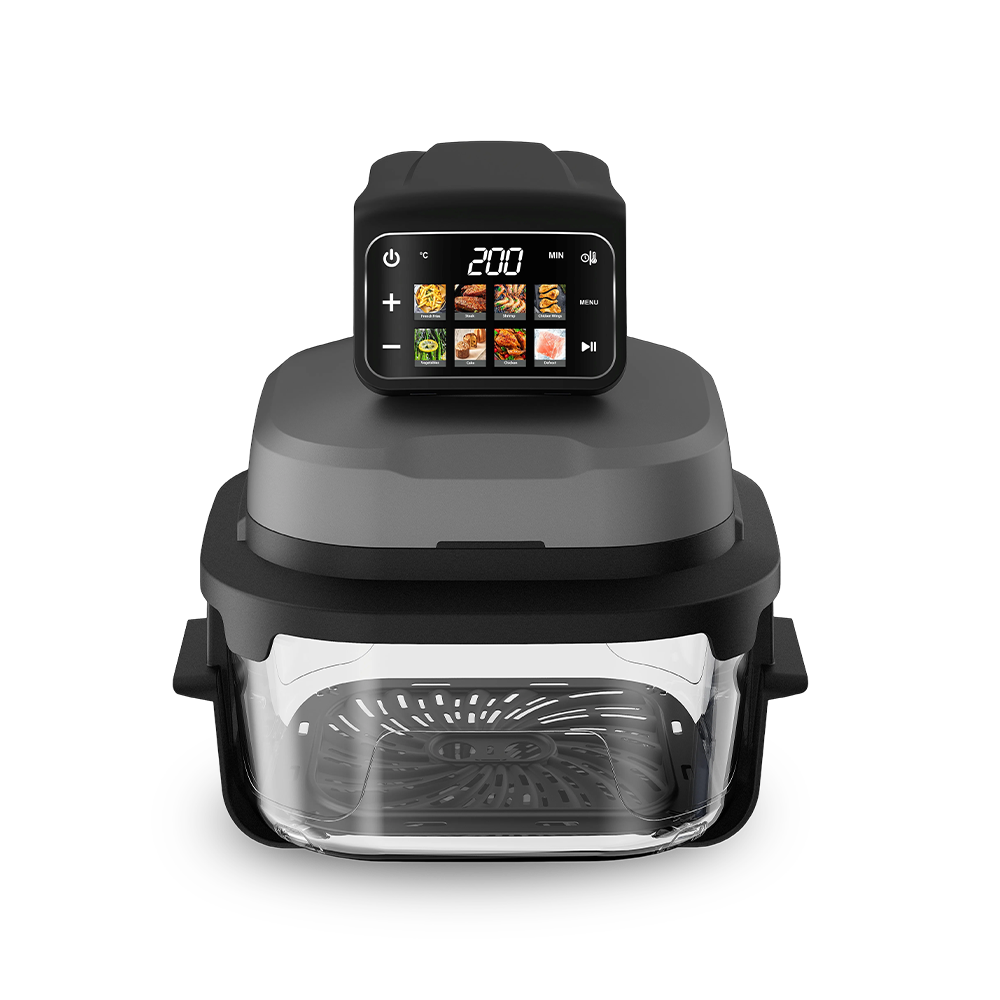
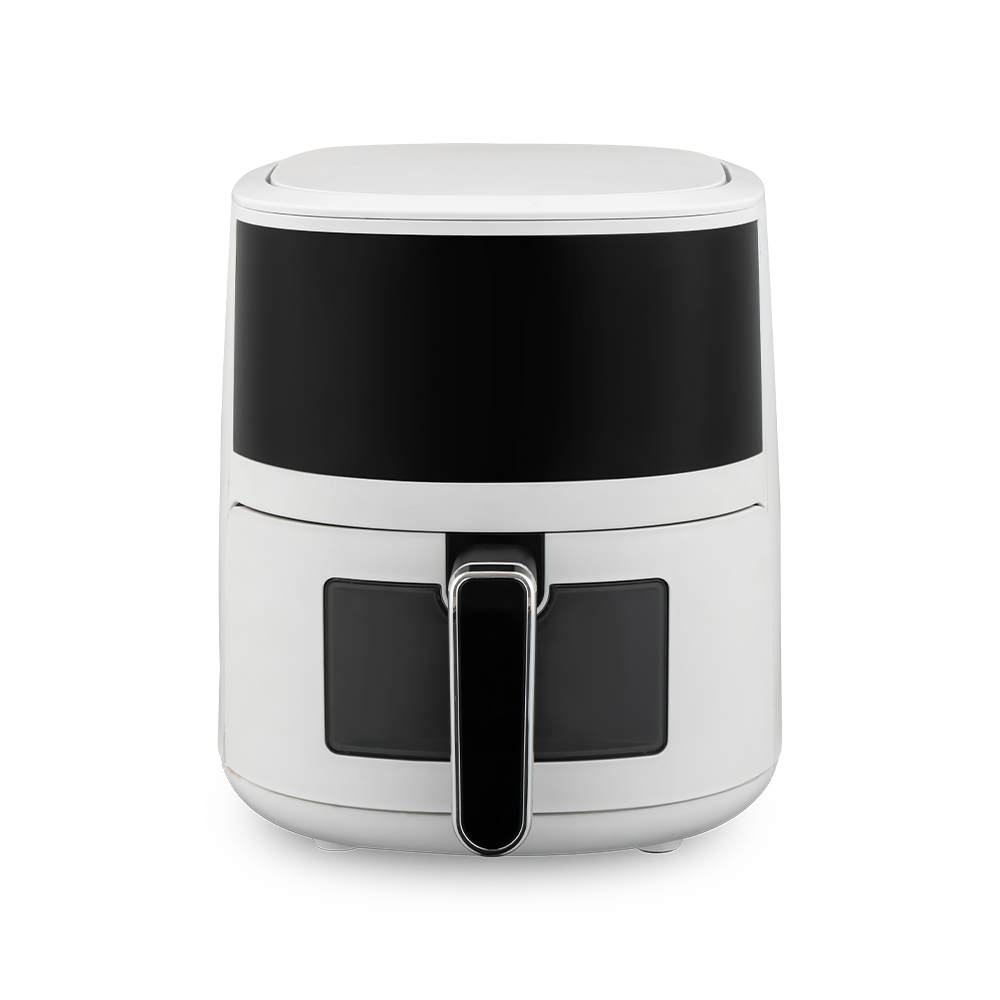
A cook opens the air fryer drawer at minute 14, checks the wings, and closes it again. That single peek costs heat, time, and sometimes crispness. A visible air fryer with a window or glass basket solves that specific problem: you can judg...
READ MOREMagichef Brings New Air Fryers to the Canton Fair Visit us October 15–19, 2026 Booth 4.1A22 Ningbo, China – Ningbo Magichef Electric Appliance Co., Ltd. announced that it will take part in the 140th China Import and Export Fair (Canton ...
READ MOREA two-year-old air fryer sits on the kitchen counter. The fan spins, the heating element still produces intense heat, and the food comes out crisp, but the touchscreen is dark. The control board failed, and the repair quote is nearly the p...
READ MOREPicture this: you have found a kitchen air fryer that looks great in the photos, it arrives, and the first time you use it the basket is too small for half a bag of frozen fries. Then next week the coating starts to scratch, or the dial fe...
READ MOREAir fryers operate on the fundamental principle of intense heat transfer powered by high-speed convection currents. Positioned at the top of the internal cooking chamber, a high-density heating element raises the air temperature to ranges between 160 and 200 degrees Celsius. Simultaneously, a fan situated directly above or adjacent to the heating element forces this superheated air downward at rapid speeds. As the heated airflow travels through the cooking cavity, it continuously envelops the food from every angle. This rapid convection process creates a thin boundary layer of thermal energy around the food surface, performing the rapid heat transfer traditionally delivered by immersion in hot cooking oil. Because the circulating air maintains high kinetic energy, heat distributes evenly across the entire surface area without requiring large quantities of external fats to act as a heat-conducting medium.
Beyond convection, direct radiation from the heating coil plays a supporting role in achieving the desired texture without heavy oil usage. Thermal radiation works alongside convection to raise the temperature of moisture residing on the outer boundary of the ingredient. As this surface moisture evaporates at a steady rate, a process known as surface dehydration takes place. In conventional deep frying, liquid fat penetrates the outer pores left behind by evaporating water, which creates a high-fat outer layer. In contrast, an air fryer continuously removes evaporated water vapor through engineered airflow channels without replacing that lost moisture with lipid molecules. The rapid removal of surface water creates a crisp exterior structure solely through the thermal transformation of the ingredient's existing starches and proteins.
| Cooking Method | Primary Heat Transfer Medium | Oil Requirement | Surface Moisture Behavior |
|---|---|---|---|
| Deep Frying | Liquid Fat Conductance | High Volume Immersion | Replaced by Absorbed Oil |
| Convection Air Frying | High-Speed Superheated Air | Minimal to Zero Added Oil | Evaporated via Rapid Airflow |
| Traditional Baking | Static to Slow Moving Air | Moderate Topical Oil | Slow Evaporation Rate |
The golden color and savory flavor profile associated with fried food stem from the Maillard reaction, a chemical interaction between amino acids and reducing sugars that occurs at temperatures above 140 degrees Celsius. Air fryers facilitate this reaction by maintaining high ambient temperatures and dry surface conditions across the food surface. As engineering teams at Ningbo Magichef Electric Appliance Co.,Ltd. refine airflow dynamics and internal chamber geometries, the speed at which food surfaces reach the threshold temperature for browning becomes more consistent. By facilitating surface browning through concentrated thermal air currents rather than hot oil bath conduction, the appliance produces complex flavor compounds and structural rigidity while keeping overall fat content within the prepared dish at a low level.
Fat reduction in air fryers is not only a matter of cooking without added oil, but also involves extracting innate fat already present within animal proteins. Foods such as chicken wings, pork chops, and beef patties naturally contain intramuscular and subcutaneous fats. During the air frying process, sustained ambient heat causes these internal fats to liquefy, a phase transition referred to as rendering. As internal fats transition into liquid form, the continuous downward force of the convection air current pushes the rendered lipids outward to the surface. The design of the inner basket, which features a perforated base, allows these liquefied fats to pass through into a lower collection tray. Because the food remains elevated on the basket grid, it is kept separate from the drained lipids, preventing re-absorption into the food matrix during cooking.
Maintaining a steady internal temperature is essential for achieving proper texture and fat drainage. Modern air fryers utilize electronic thermal sensors and digital microprocessors to monitor heat levels inside the cavity continuously. When thermal fluctuations occur, the control unit adjusts electrical power output to the heating coil, preventing temperature drops that could lead to soft textures or uneven cooking. Steady heat application ensures that the outer food shell dries and browns at a uniform rate while internal fats render smoothly throughout the entire duration of the cooking cycle. Consistent thermal regulation eliminates the need for oil, which in traditional cooking often acts as a thermal buffer to smooth out temperature variations.
| Food Category | Standard Deep Fry Fat Content | Air Fryer Fat Content | Primary Reduction Mechanism |
|---|---|---|---|
| Fresh Cut Potatoes | 14 percent to 17 percent | 1 percent to 3 percent | Elimination of Immersion Oil Absorption |
| Chicken Wings | 18 percent to 22 percent | 10 percent to 13 percent | Active Rendering and Separation of Natural Fats |
| Battered Fish Fillets | 15 percent to 20 percent | 4 percent to 6 percent | Surface Dehydration with Topical Spraying |
While the exterior of the food undergoes dehydration to form a crisp shell, the interior must retain sufficient moisture to preserve palatability. The formation of a dry outer crust acts as a thermal seal that traps internal water vapor within the core of the food item. As the internal moisture heats up, it cooks the inside via localized steaming, ensuring the interior remains tender. The balance between external convection-driven evaporation and internal steam retention allows air fryers to deliver contrasting textures—crispy on the outside and moist on the inside—without relying on oil coatings to seal in moisture. This double-action cooking effect provides an effective alternative for health-conscious meal preparation.
The physical shape of the interior cooking cavity directly influences how efficiently heat transfers to the food. Modern cavity designs incorporate specialized directional guides or curved bottom contours that direct air back upward after it reaches the base tray. This internal circulation loop creates a continuous air vortex that ensures heat distribution across the underside of the food basket. By optimizing these aerodynamic pathways, air fryers maintain steady heat transfer rates and predictable cooking times. Controlled exposure to thermal airflow helps preserve heat-sensitive nutrients within the food while maintaining the structural integrity of the outer crust without requiring oil for uniform heat distribution.
A: Air fryers reduce fat content primarily by substituting high-volume oil submersion with rapid convection heating. The high-speed circulation of superheated air rapidly dehydrates the outer moisture of ingredients, forming a crisp crust without heavy surface oil absorption. Additionally, as high ambient temperatures render natural fats present within meats, the perforated basket design allows these liquefied lipids to drain into a lower chamber rather than soaking back into the food, significantly cutting total calories compared to deep frying.
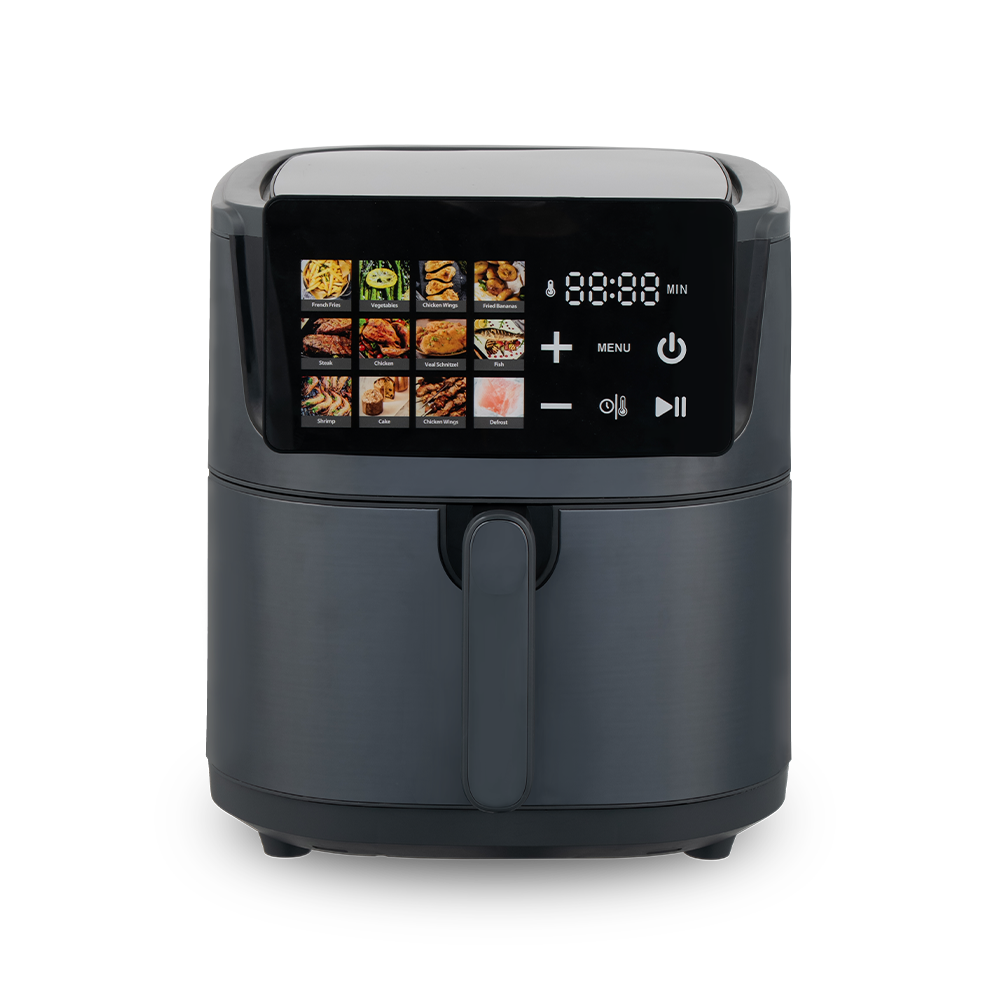
Q: What mechanical features make an air fryer suitable for commercial OEM or ODM customization?A: Customization options typically focus on chamber capacity, internal airflow design, heating element wattage, and digital control integration. Engineering teams at enterprises such as Ningbo Magichef Electric Appliance Co.,Ltd. can tailor motor speeds, internal baffle shapes, and basket perforations to optimize heat distribution for specific food types. Furthermore, PCB firmware can be customized to include precise multi-stage cooking presets, smart touch interfaces, and specialized temperature range controls based on target market requirements.
Q: Why does food cooked in an air fryer stay tender inside while achieving a crisp exterior?A: This dual texture relies on the rapid creation of a surface moisture barrier. When superheated air sweeps across the food surface, it evaporates moisture on the outer layer almost instantly, creating a sealed crust through starch gelatinization and protein browning. This fast-forming outer shell traps remaining water vapor within the core of the ingredient. As heat penetrates inward, this trapped vapor cooks the interior via micro-steaming, retaining natural juices while the outside remains firm and dry.
Q: How do structural basket designs impact airflow efficiency and cooking uniformity in air fryers?A: The structural design of the inner cooking basket directly dictates air velocity and circulation patterns. Slotted or perforated sidewalls and bottom grids allow superheated air to pass through and around food items rather than bouncing off solid barriers. When combined with curved heat-deflection bases at the bottom of the outer drawer, the descending air is redirected upward through the food matrix, preventing cold spots and ensuring even surface crisping without manual flipping.
Q: What structural maintenance practices prolong the operational lifespan of smart kitchen air fryers?A: Long-term performance depends on preventing grease accumulation around internal thermal and mechanical components. Regular cleaning of the heating coil area prevents residual fats from carbonizing, which can degrade heating efficiency and produce unwanted smoke over time. Utilizing non-abrasive cleaning tools protects food-grade non-stick coatings on the basket assembly, preventing premature surface corrosion and maintaining smooth lipid drainage during high-temperature cooking cycles.




 English
 русский