

 English
 русский
Content
Yes, a glass air fryer is generally better for you in one specific way: the cooking bowl has no non-stick coating that can scratch, degrade, or release fumes at high heat, so your food never touches a synthetic surface. Glass is non-reactive and non-porous, meaning it won't leach anything into food regardless of how many times it's used or scratched. That's a genuine, measurable advantage over baskets coated with PTFE (Teflon) or other non-stick layers. What glass doesn't do is make air-fried food itself any healthier — the actual nutrition of your meal depends on the ingredients and oil you use, not the material of the bowl. Glass air fryers also come with real trade-offs: they're heavier, more fragile, usually pricier, and food tends to stick more without a bit of oil. Whether that trade is worth it depends on how much you weigh coating-related concerns against convenience.
What Makes a Glass Air Fryer Different
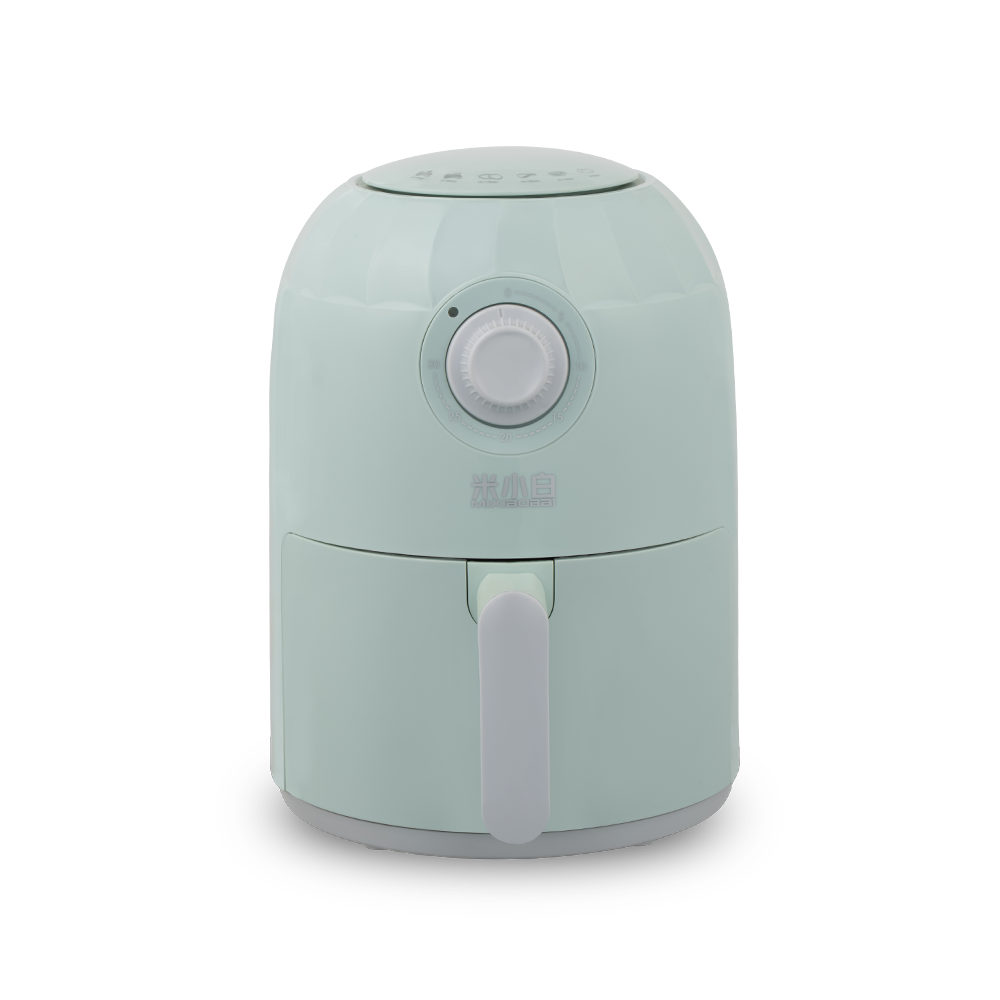
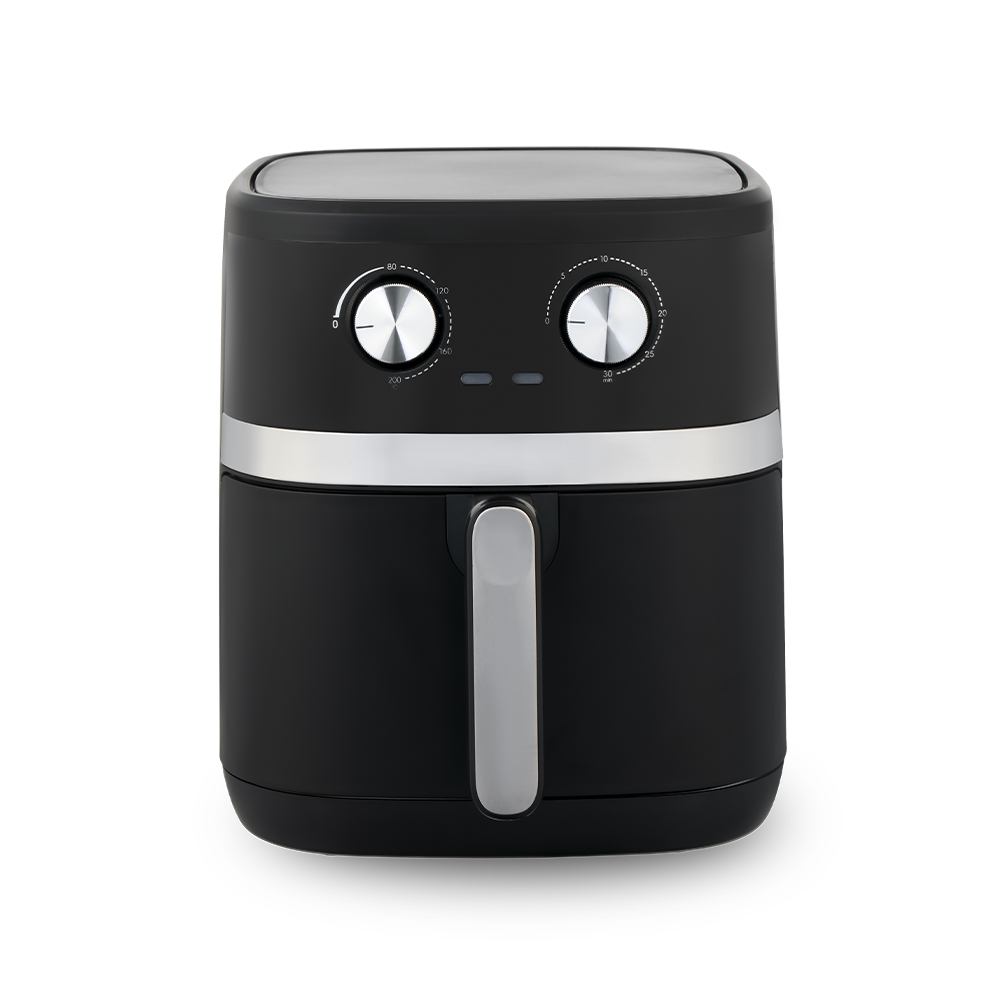
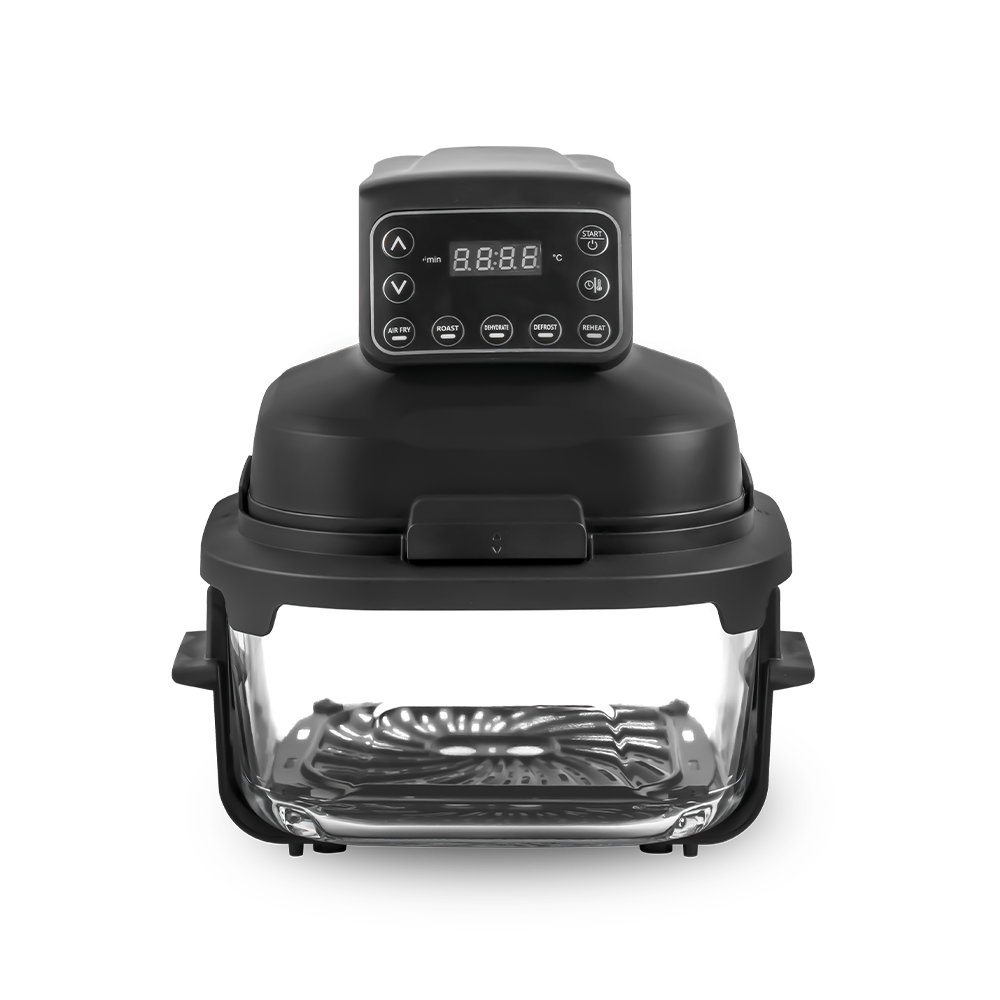
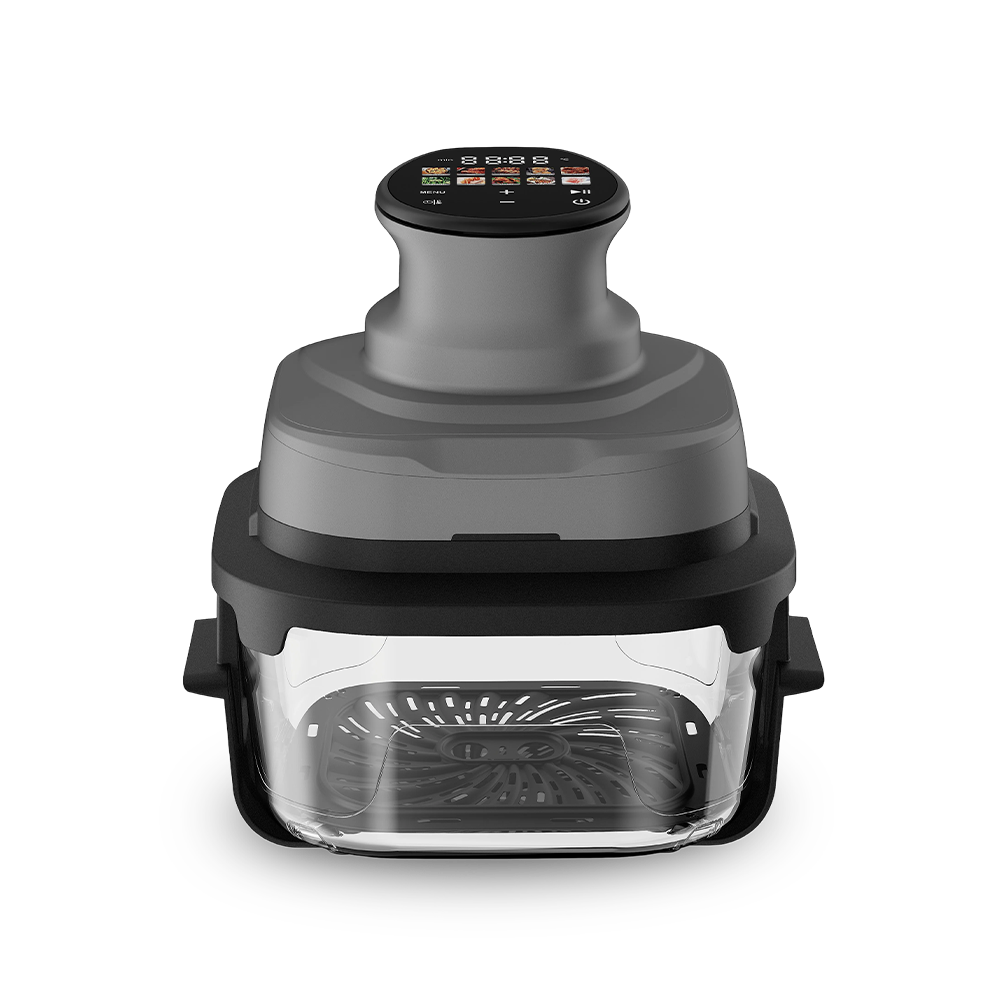
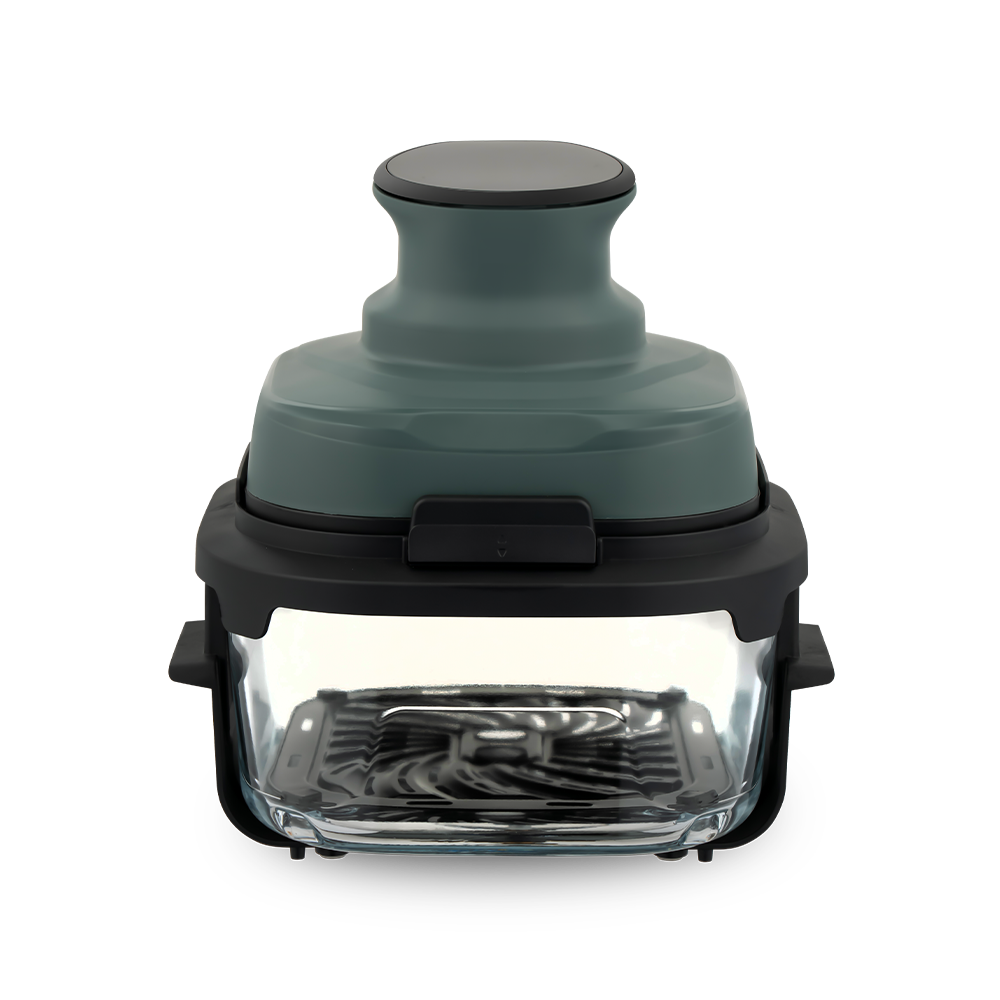
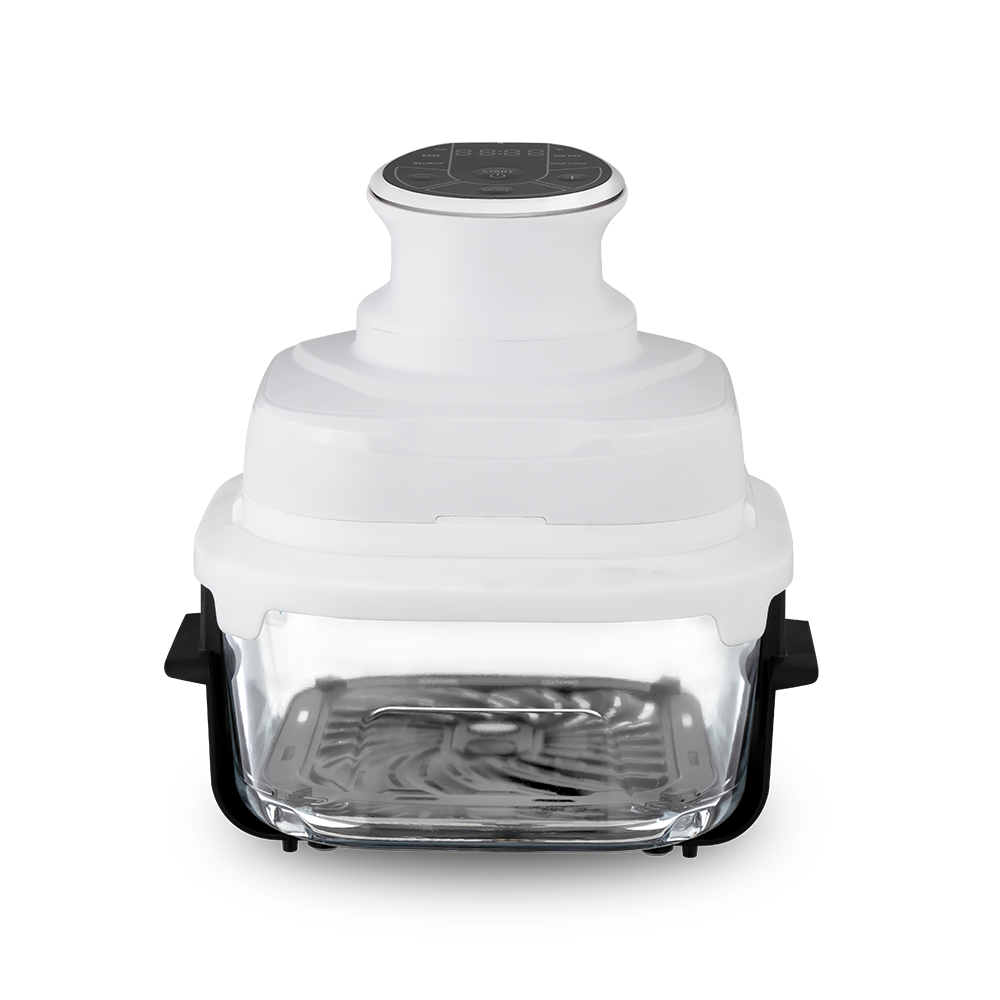
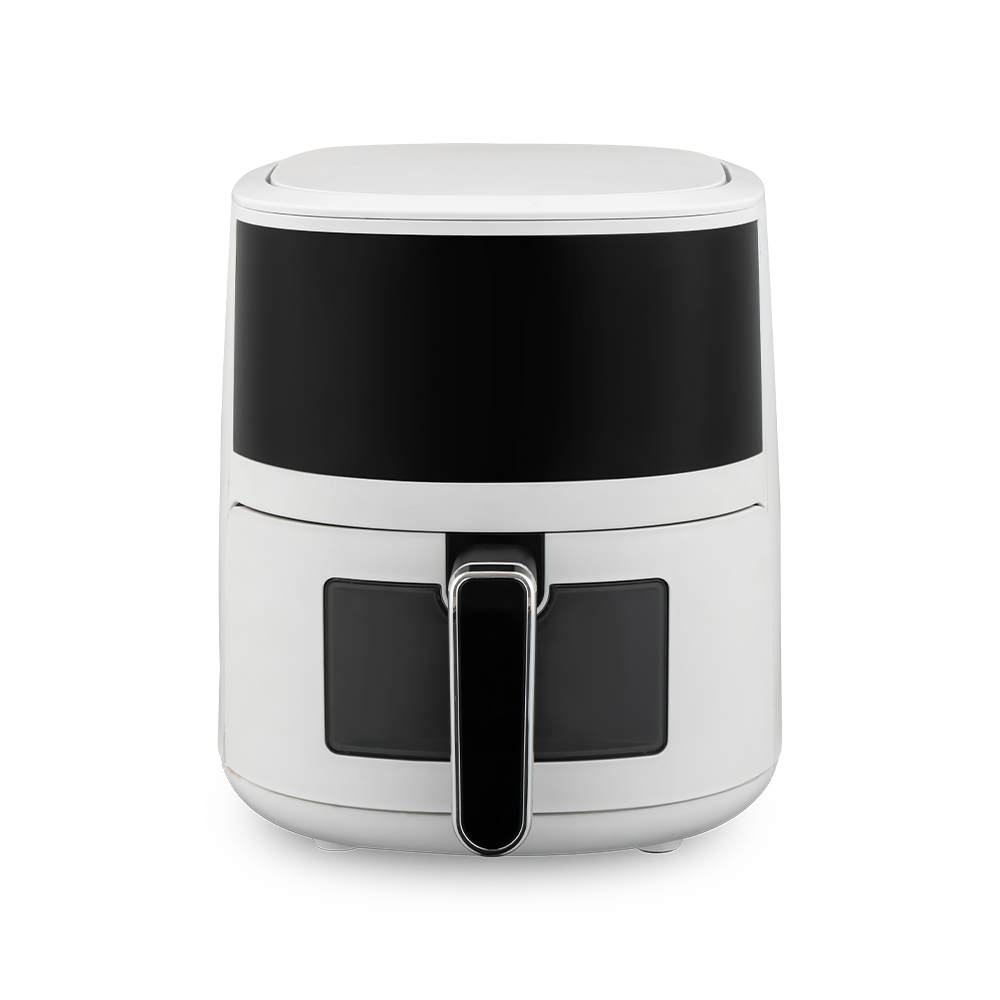
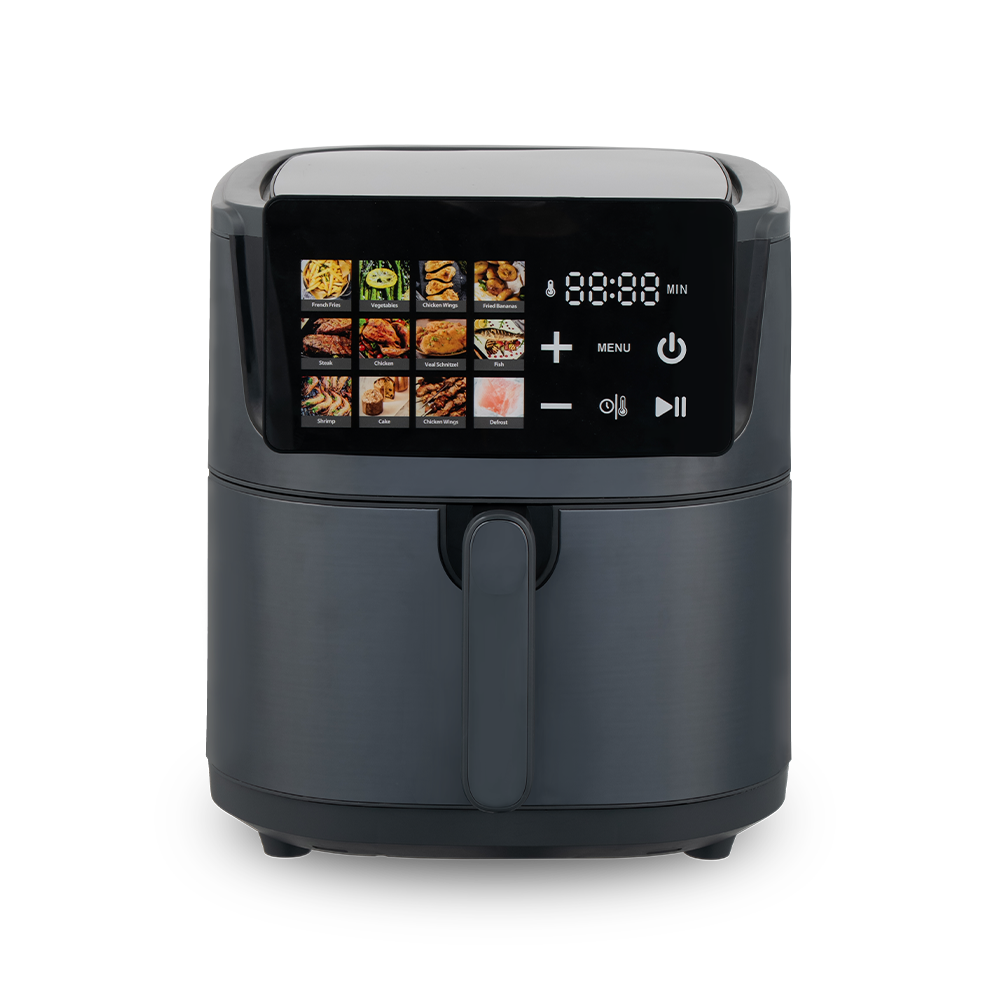
In a standard air fryer, the cooking basket is typically coated aluminum — usually finished with a PTFE (Teflon) or ceramic non-stick layer so food doesn't weld itself to the metal. A glass air fryer replaces that coated basket with a heat-tempered glass bowl. The zone that actually touches your food has no sprayed-on coating at all, which is the core distinction driving interest in this style of appliance. Most glass air fryer bowls are made from high-quality borosilicate glass, the same type used in lab and bakeware, chosen specifically for its ability to handle repeated high-heat cycling without cracking under normal use.
Real Benefits of Choosing Glass
- Nothing to scratch or degrade. Coated baskets can flake or wear down over time, especially with metal utensils or abrasive cleaning. Glass has no coating layer to lose in the first place.
- Non-reactive and non-leaching. Glass doesn't interact with food chemically, so it won't add flavors or transfer compounds into what you're cooking, even after years of use.
- You can see the food as it cooks. Transparency lets you monitor browning and doneness without opening the unit, which is especially useful for delicate items that can go from golden to burnt quickly.
- Easier, more thorough cleaning. Glass is non-porous, doesn't retain odors or stains from previous meals, and most glass bowls are dishwasher-safe.
- Even heat distribution. Several glass air fryer designs circulate hot air evenly around the bowl, which can produce more consistent crisping across a full batch of food.
The Trade-Offs You Should Know About
Glass isn't a strictly better material — it's a different set of trade-offs, and some of them are genuine downsides depending on your kitchen habits.
Fragility and Weight
Glass is heavier than coated aluminum, which can make the unit less convenient to lift, move, or store, especially if counter space is limited. It's also more vulnerable to breakage from drops or sudden temperature shocks than a metal basket. High-quality borosilicate glass, handled normally, can last for years, but it isn't impact-proof the way a dented metal basket still is.
Food Sticks More Without Oil
Because there's no non-stick layer, food is more likely to stick to bare glass than to a coated basket. In practice this means using a light coating of oil or a sheet of parchment, which is a minor extra step but one worth knowing about before you buy.
Higher Cost
Glass air fryers are typically priced above comparable coated-basket models, reflecting both the tempered glass component and the smaller share of the market currently making them.
Glass vs. Coated Basket: Side-by-Side Comparison
| Factor | Glass Bowl | Coated Basket |
|---|---|---|
| Coating to wear down | None | Yes, can scratch or flake over time |
| Non-stick performance | Lower; needs oil or parchment | Higher out of the box |
| Weight and portability | Heavier, less portable | Lighter |
| Breakage risk | Higher if dropped or shocked | Low; dents rather than shatters |
| Visibility while cooking | Full visibility | Must open basket to check |
| Typical price | Higher | Lower |
What the Health Evidence Actually Says About Non-Stick Coatings
This is the part worth being precise about, because the two claims involved are not the same claim. There is well-documented evidence from the EPA and other health bodies that certain PFAS ("forever chemical") compounds are linked to health concerns including cholesterol changes, developmental effects, and some cancers when exposure is elevated. Older Teflon coatings historically used PFOA, one such compound, though PFOA has been phased out of standard manufacturing since 2013 under an EPA stewardship program.
Where the evidence is less settled is whether normal, undamaged non-stick cookware itself causes measurable harm. Some toxicologists point out that PTFE, the actual coating material, is chemically inert at typical cooking temperatures and passes through the body without reacting if a flake is accidentally ingested, and that there is currently no direct evidence linking properly used non-stick cookware to negative health outcomes. The more consistent concern raised across sources is what happens when a coating is scratched, worn, or overheated past its safe threshold — commonly cited in the 460-500°F range — since that's when coating breakdown and fume release become a realistic risk. Since air fryers can approach 400°F or higher during normal use, staying well under that degradation threshold, and replacing a basket once its coating is visibly damaged, matters more than the coating's mere presence.
Glass sidesteps this entire question, since there's no coating to degrade or overheat in the first place — that's the concrete advantage, rather than a general claim that coated air fryers are unsafe.
Who Should Choose a Glass Air Fryer
A glass air fryer tends to make the most sense for:
- People who specifically want to avoid any PTFE, PFOA, or other synthetic coating touching their food, regardless of how the current safety evidence is weighed.
- Cooks who value being able to watch food as it crisps, particularly for items that burn easily.
- Households that have stable counter space and aren't moving the appliance frequently, reducing breakage risk.
- Anyone comfortable adding a light coat of oil and doesn't mind spending more upfront.
A standard coated-basket air fryer remains the more practical choice for anyone prioritizing lower cost, lighter weight, easier portability, or simply less concerned about coating wear. Either style, when used at reasonable temperatures with a basket or bowl in good condition, is a fine way to cook — the material is one factor among several, not a single verdict on healthiness.