

 English
 русский
The Direct Answer: Toaster Ovens Generally Win on Raw Capacity
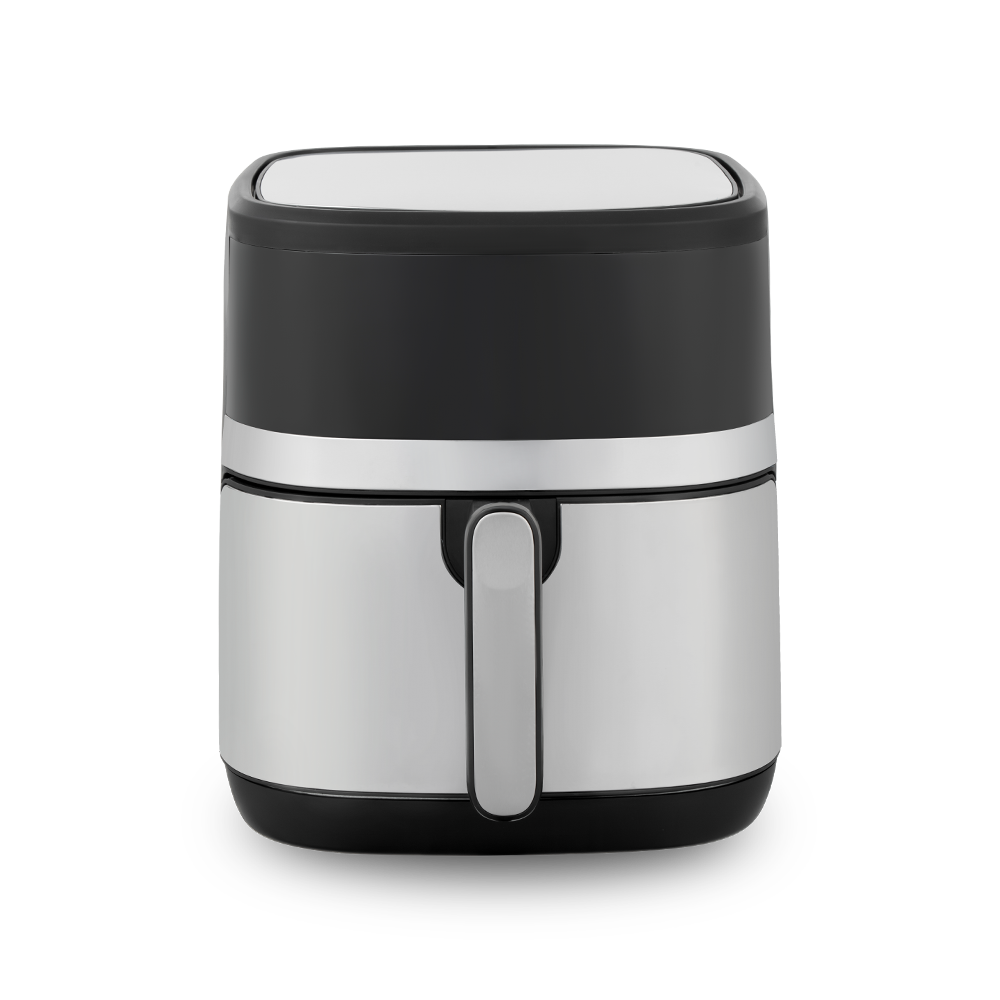
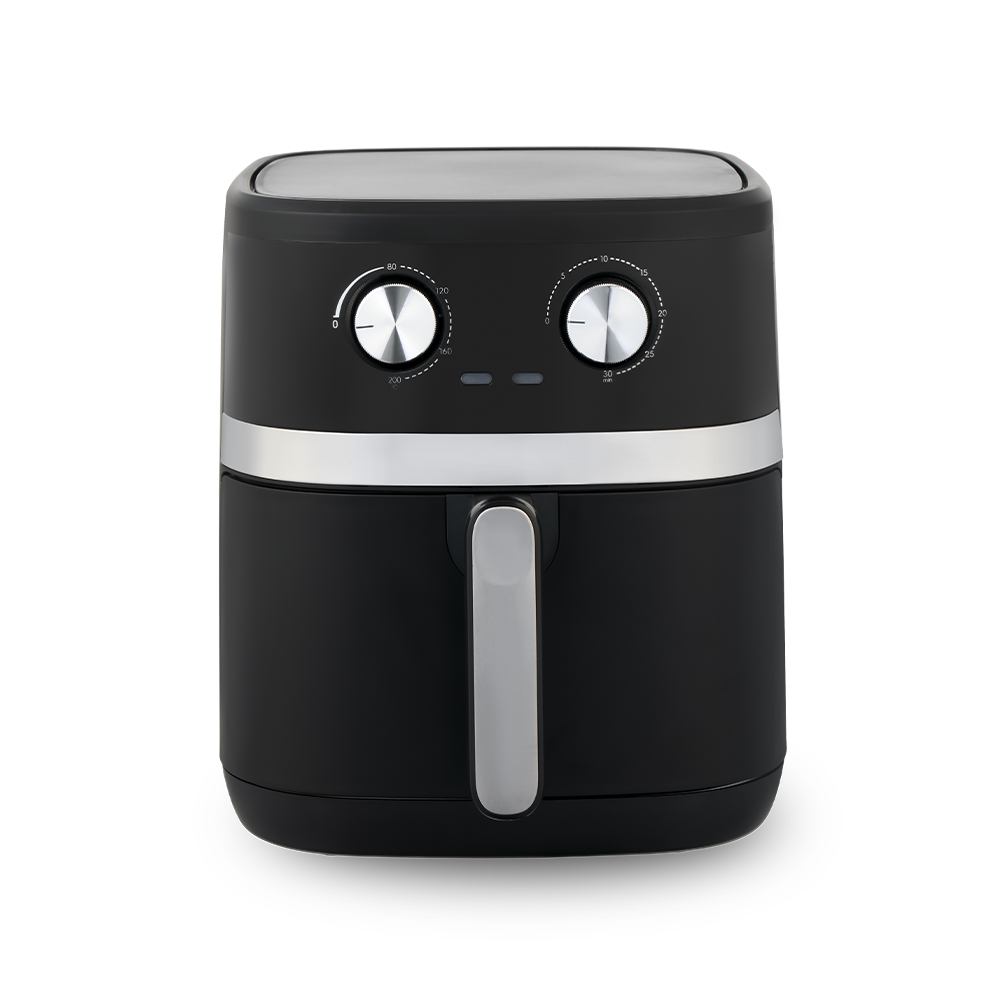
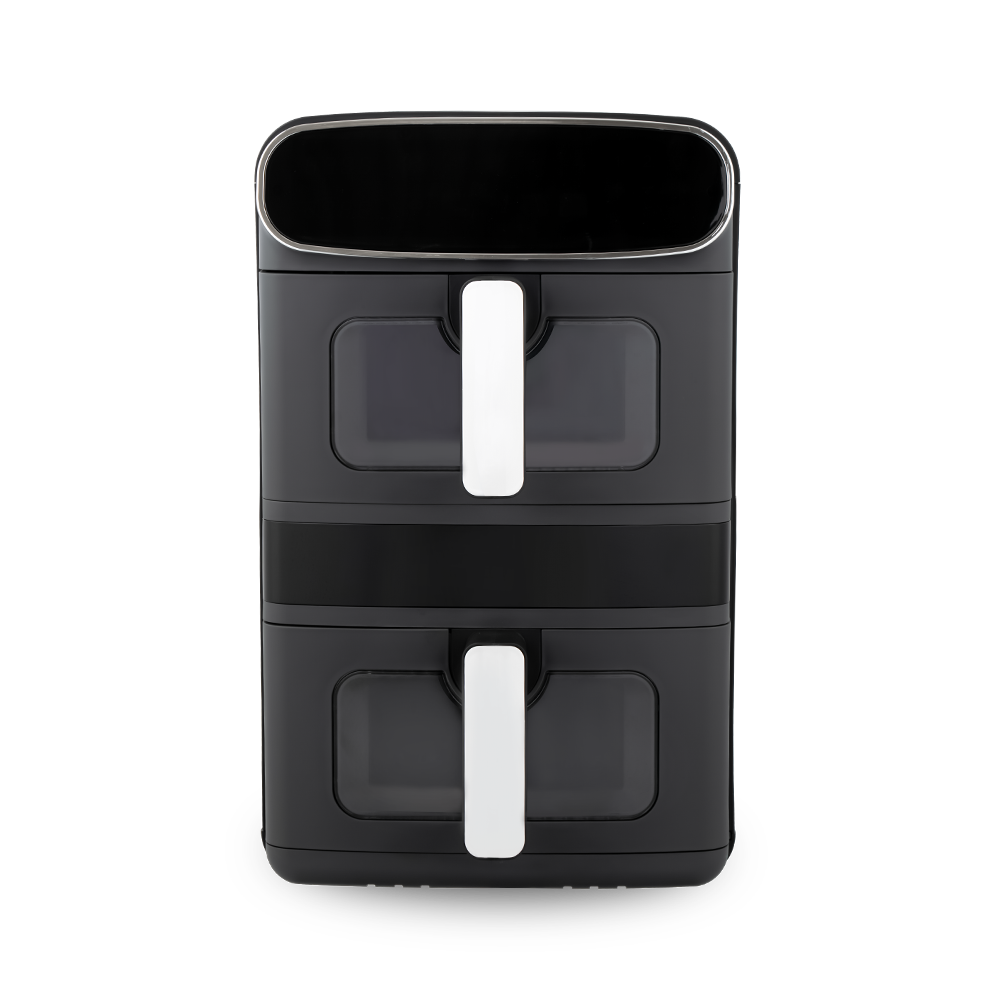
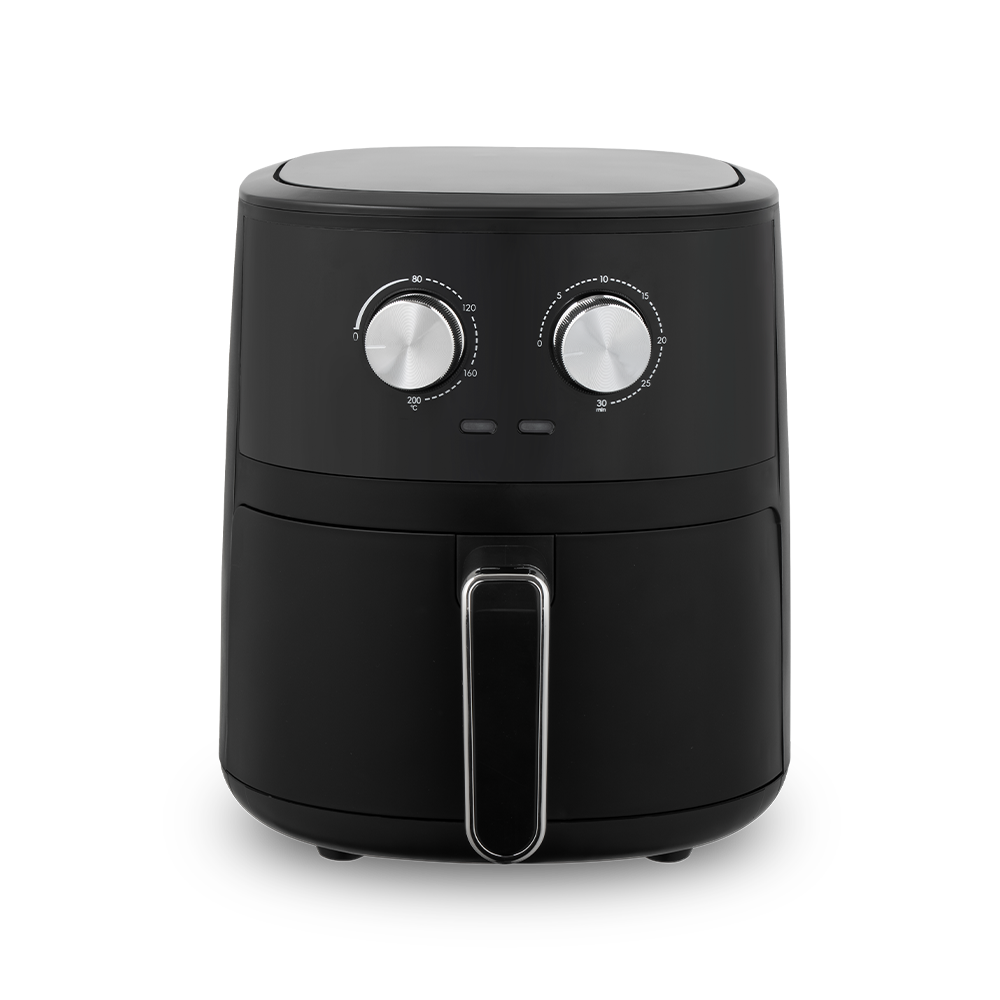
In most side-by-side comparisons, a countertop toaster oven offers more total cooking volume than a standard air fryer. A typical toaster oven ranges from 20 to 30 liters and includes multiple rack positions, allowing it to hold a whole chicken, a 9x13-inch baking dish, or several trays of food simultaneously. A conventional basket-style air fryer, by contrast, usually holds between 3 and 6 liters, which limits it to smaller portions or single-layer cooking. However, this does not mean an air fryer is the weaker appliance overall — it simply means the two products are built around different cooking philosophies, and capacity is only one part of the decision.
If your priority is feeding a family of four or more in one batch, a toaster oven's larger interior will almost always be more practical. If your priority is fast, energy-efficient cooking for one or two people, an air fryer's compact chamber becomes an advantage rather than a limitation.
Capacity in liters rarely tells the whole story — shape, rack count, and airflow decide how much food an appliance can actually cook well in a single cycle.
Measuring Capacity: Liters, Trays, and Practical Servings
Capacity is usually advertised in liters or quarts, but this number alone can be misleading. A 6-liter air fryer basket is shaped like a wide, shallow bowl, so airflow needs space around each piece of food to crisp evenly. This means the usable capacity is often 20-30% lower than the stated volume once you account for proper air circulation. A toaster oven's rectangular cavity, on the other hand, uses its stated volume more efficiently because food sits on flat trays rather than in a rounded basket.
A more useful way to compare capacity is by realistic servings rather than liters alone:
| Appliance Type | Typical Volume | Realistic Servings |
|---|---|---|
| Compact air fryer basket | 2-3 liters | 1-2 people |
| Standard air fryer basket | 4-6 liters | 2-4 people |
| Compact toaster oven | 15-20 liters | 3-4 people |
| Large toaster oven | 25-30 liters | 5-6 people |
Why Toaster Ovens Have a Structural Volume Advantage
The core reason toaster ovens hold more food comes down to shape and rack design. A rectangular cavity with two or three rack positions allows vertical stacking — a tray of vegetables on one level and a protein on another, cooking at the same time. An air fryer basket is a single, enclosed chamber, so most models can only process one layer of food effectively per cycle unless a stackable rack accessory is added.
Rack Flexibility Changes the Math
Many toaster ovens include a broil rack, a bake rack, and sometimes a rotisserie spit, which effectively multiplies usable space without increasing the appliance's footprint. This flexibility is why a 25-liter toaster oven can often out-cook a 6-liter air fryer by a wide margin when preparing a full meal rather than a single side dish.
Info
Advertised liters describe the empty chamber, not usable cooking space. Always factor in airflow clearance when comparing two models on paper.
Where Air Fryer Baskets Actually Perform Better Despite Smaller Volume
Capacity in liters does not automatically translate to cooking speed or crisping quality. Because an air fryer's chamber is smaller, hot air circulates faster and more directly around the food, producing crisper results in less time. A batch of frozen fries that takes 12-15 minutes in an air fryer basket may take 22-25 minutes in a toaster oven simply because the larger interior takes longer to reach and maintain the same intensity of airflow.
- Smaller chamber size means faster preheating, often under 3 minutes
- Concentrated airflow produces more even crisping on smaller batches
- Lower interior volume reduces energy use per cooking cycle
- Compact size fits easily on narrow countertops where a toaster oven cannot
In other words, an air fryer trades raw volume for speed and efficiency — a fair trade for anyone cooking smaller portions on a regular basis.
Warning
Overfilling a basket beyond its fill line blocks airflow, leading to soggy, unevenly cooked food rather than the crisp texture the appliance is designed for.
Cooking Multiple Foods at Once: A Side-by-Side Look
A common test of real-world capacity is whether an appliance can cook a complete meal in one cycle. A whole chicken weighing around 4-5 pounds fits comfortably in most toaster ovens but is too large for the vast majority of air fryer baskets, which typically cap out around a 3-4 pound bird. Similarly, a full sheet of roasted vegetables spreads out flat in a toaster oven, while the same quantity would need to be cooked in two or three separate air fryer batches to avoid overcrowding.
| Food Item | Toaster Oven | Air Fryer Basket |
|---|---|---|
| Whole chicken (4-5 lb) | Fits in one cycle | Often too large |
| Frozen fries (1 lb) | Fits in one cycle | Fits in one cycle |
| 12-inch pizza | Fits in one cycle | Requires a smaller pizza |
| 4 chicken breasts | Fits in one cycle | May require two batches |
Portable Air Fryer Models and Space-Constrained Kitchens
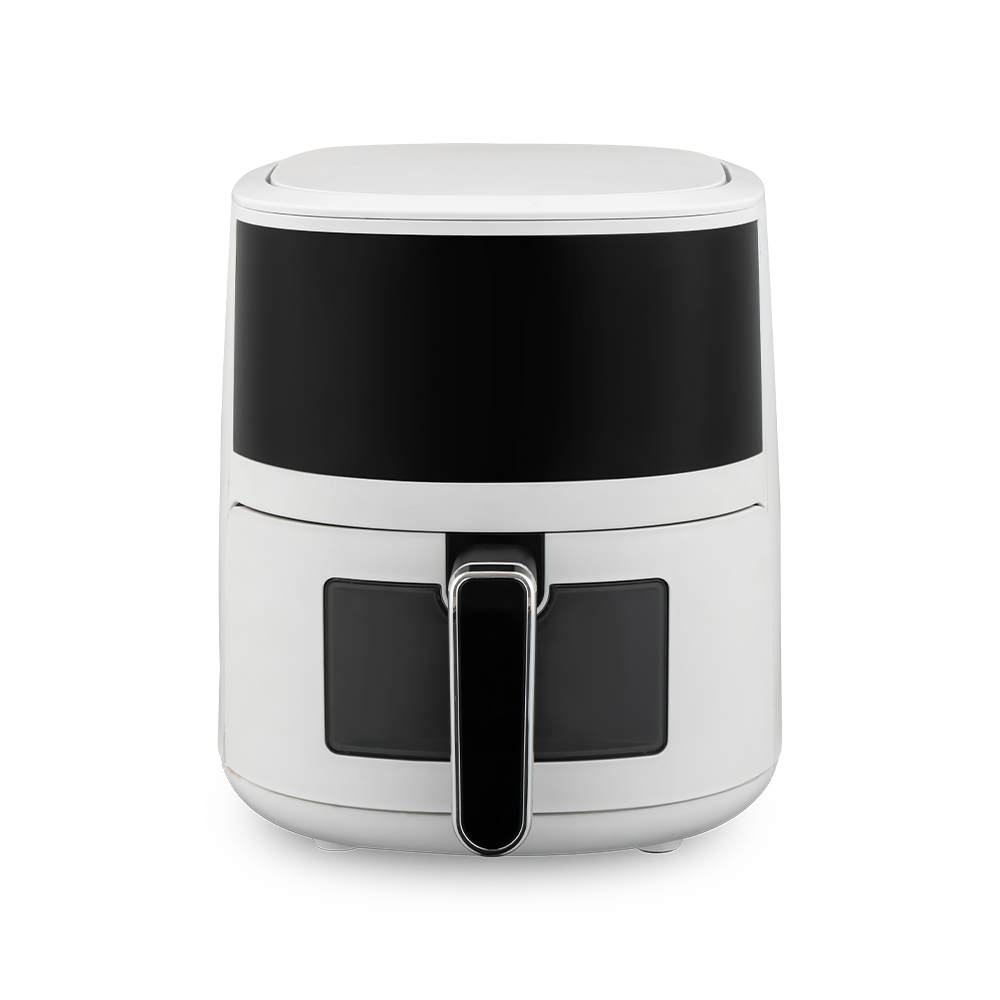
Not every kitchen has room for a large toaster oven, which is where a portable air fryer becomes genuinely useful. Compact, lightweight units designed for dorm rooms, RVs, or small apartments prioritize footprint over volume, often measuring less than 12 inches wide while still handling single-serving meals efficiently. For students, frequent travelers, or anyone with a limited kitchen counter, a portable air fryer trades some capacity for the ability to be tucked into a cabinet or carried between locations without difficulty.
This portability also matters for people who cook for one or two people most nights. Rather than heating a large oven cavity for a small portion, a portable unit reaches cooking temperature quickly and uses a fraction of the energy, which offsets its smaller volume with lower running costs over time.
Air Fryer Ovens: A Middle Ground Between Basket and Toaster Oven
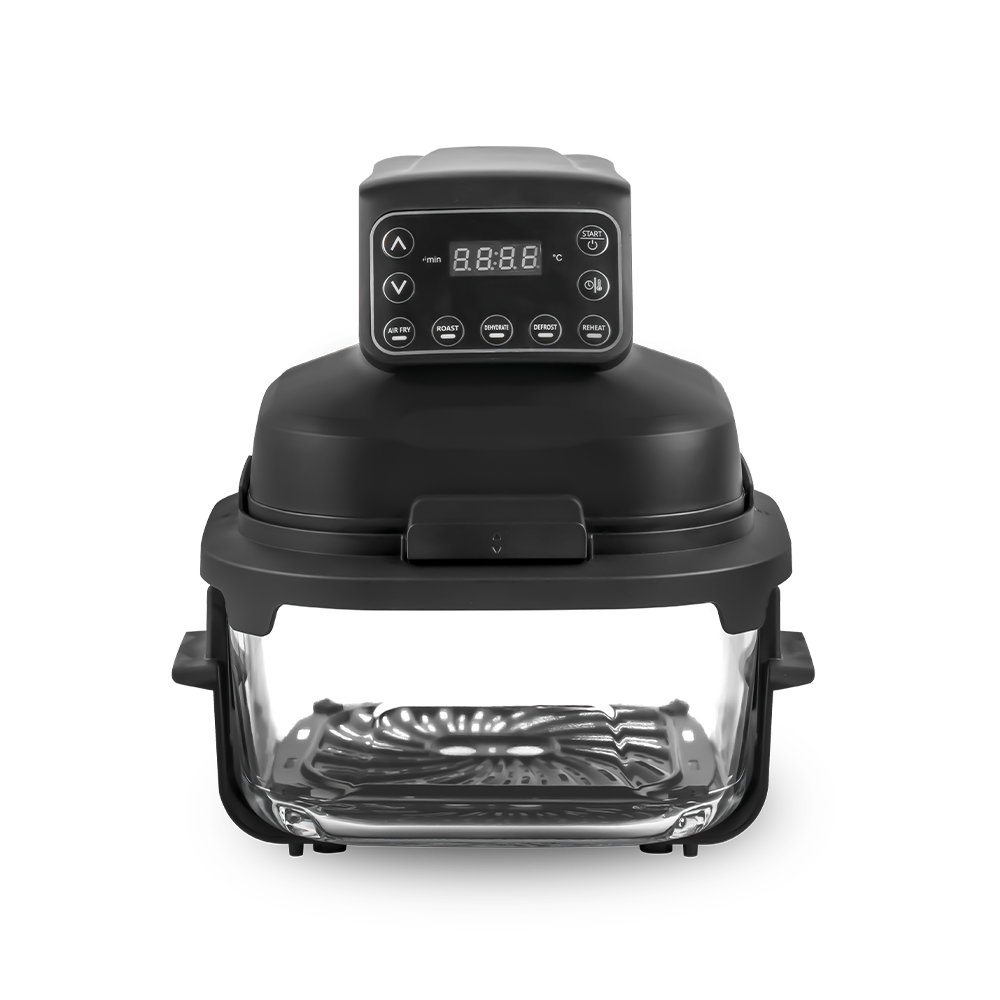
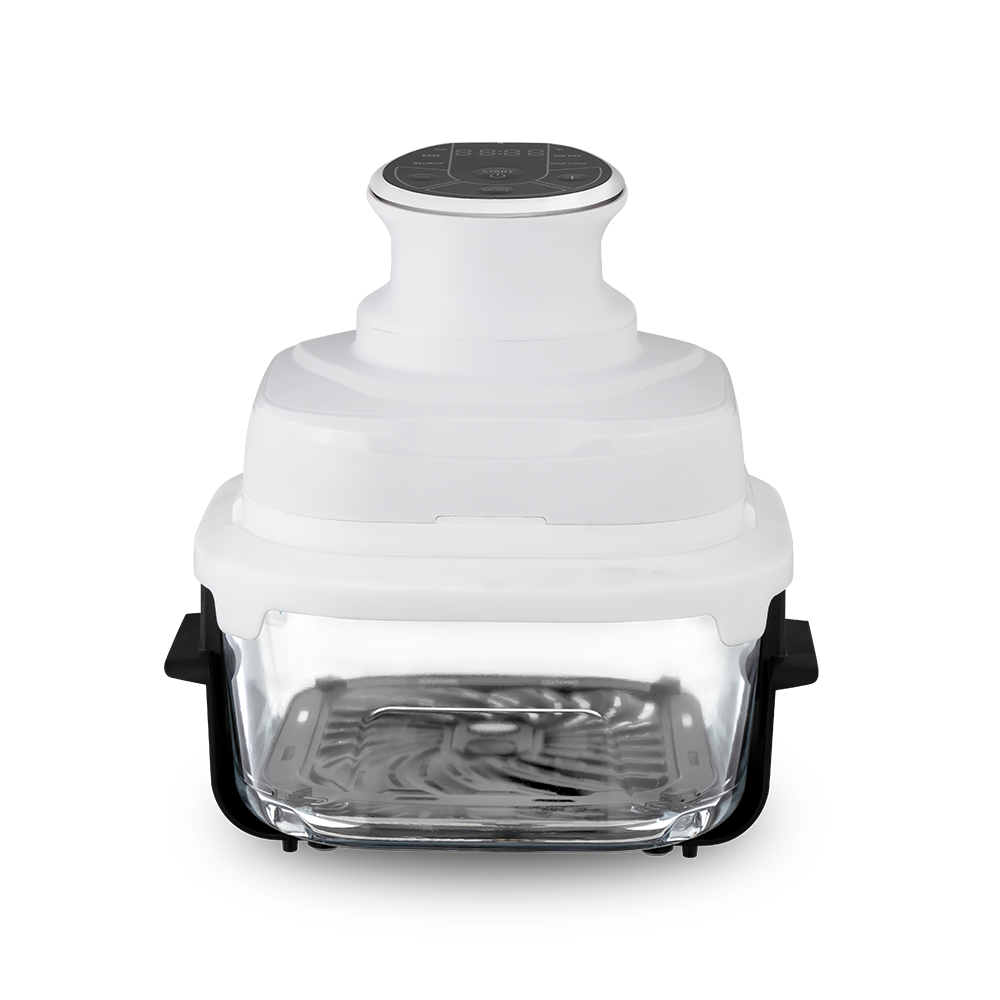
A growing category of appliances, often labeled air fryer ovens, combines the crisping technology of a basket-style unit with the rectangular, multi-rack interior of a toaster oven. These hybrid appliances typically range from 10 to 25 liters and include two or more rack positions, closing much of the capacity gap discussed earlier while retaining faster preheat times than a full-size oven.
Why This Category Is Gaining Popularity
Air fryer ovens address the single biggest complaint about basket-style units: limited batch size. By using trays instead of a basket, they can roast a full tray of vegetables and a protein at the same time, functioning much closer to a small convection oven while still offering the rapid air-crisping mode that made air fryers popular in the first place. For households torn between the two appliance types, this hybrid format is often the practical compromise.
Success
An air fryer oven is often the single best fix for households outgrowing a basket unit without wanting to give up crisp, fast results for a full-size oven.
Choosing Capacity Based on Household Size
Matching capacity to household size prevents both overcrowding a small basket and wasting energy in an oversized cavity. As a general guideline:
- 1-2 people: a 2-4 liter basket or a compact portable air fryer is usually sufficient
- 3-4 people: a 5-6 liter basket or a 15-20 liter air fryer oven fits most meals
- 5 or more people: a 25-30 liter toaster oven or large air fryer oven is generally necessary to avoid multiple cooking batches
Buying beyond your actual household needs rarely pays off — an oversized appliance takes longer to preheat, uses more electricity per cycle, and takes up counter space that a right-sized unit would not require.
Practical Tips for Maximizing Capacity in Either Appliance
Regardless of which appliance you choose, a few habits help you get the most out of the space available:
- Arrange food in a single layer and shake or flip halfway through cooking to avoid uneven results
- Use stackable racks or skewer accessories where available to add a second cooking level
- Cut larger items into smaller pieces to fit basket dimensions without overcrowding
- Preheat before loading food to reduce total cycle time, which partially offsets smaller batch sizes
Danger
Forcing an oversized item into a basket that doesn't close properly can damage the heating element or trigger the appliance to shut off mid-cycle — always check the manufacturer's fill line before loading.
Final Takeaway
A toaster oven offers more raw cooking capacity thanks to its rectangular shape and multi-rack design, making it the better choice for larger households or full meals in a single cycle. An air fryer, while smaller in volume, compensates with faster cooking, better energy efficiency, and — in the case of a portable air fryer — far greater flexibility for tight kitchens. For those who want the best of both, an air fryer oven narrows the capacity gap significantly while keeping the speed and crisping quality that made air fryers popular. The right choice ultimately depends less on liters alone and more on how many people you're feeding and how much counter space you have to work with.